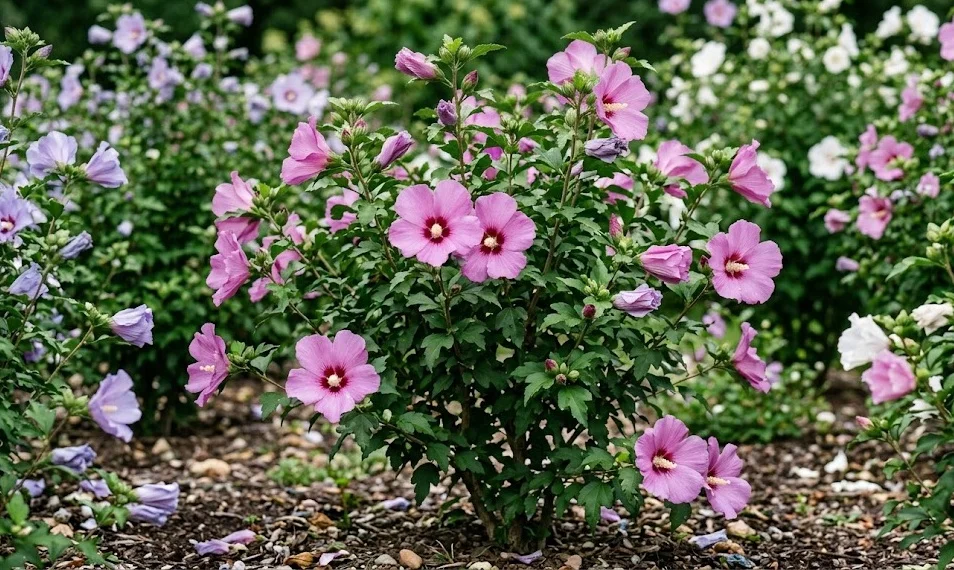

Shaping and maintaining the structure of your shrubs through professional pruning is one of the most rewarding tasks for any dedicated gardener. The rose of sharon is an exceptionally forgiving plant that responds well to various cutting techniques, whether you are aiming for a tidy hedge or a small, elegant tree. Pruning not only improves the aesthetic appearance of the plant but also promotes its health by increasing airflow and encouraging the production of large, vibrant flowers. Understanding the timing and the methods of pruning is the key to managing these vigorous growers and keeping them in harmony with the rest of your landscape.
Foundational pruning techniques for health and shape
The first rule of professional pruning is to always start with high-quality, sharp tools that are appropriate for the size of the branches you are working on. Hand pruners are perfect for small stems, while loppers or a pruning saw may be necessary for the older, thicker wood at the base of a mature shrub. Using sharp tools ensures that your cuts are clean and heal quickly, which significantly reduces the risk of pests or diseases entering the plant through the wounds. It is also wise to wipe your blades with a bit of rubbing alcohol between plants to prevent the spread of any potential pathogens across your garden.
A common goal for many gardeners is to remove the “three Ds” from their shrubs every spring: wood that is dead, damaged, or diseased in some way. You can identify dead wood by its brittle texture and the lack of a green layer just beneath the bark when you give it a light scratch. Removing these unproductive branches opens up the interior of the plant and allows more sunlight and air to reach the healthy stems that remain. This basic maintenance task is the foundation of any good pruning routine and should be your first priority when you step into the garden with your shears.
Thinning out some of the older branches from the center of the shrub is a professional technique that helps to maintain a manageable size and a graceful, open habit. By removing one or two of the oldest stems right at ground level every few years, you encourage the plant to send up vigorous new growth from the base. this process of rejuvenation ensures that the shrub never becomes too woody or congested and continues to produce high-quality flowers for many years. It is much better to take a proactive approach to thinning than to wait until the plant has become an overgrown and unmanageable thicket in your yard.
If you are training your rose of sharon into a single-trunk or multi-stemmed tree form, you will need to be diligent about removing the suckers that sprout from the base. These fast-growing shoots can quickly obscure the trunk and drain energy away from the main canopy if they are not managed on a regular basis. You should cut them off as close to the ground as possible as soon as they appear throughout the growing season to maintain a clean and professional look. This specialized shaping requires a bit more ongoing attention but can result in a truly stunning focal point for your garden design.
More articles on this topic
Timing your pruning for maximum floral display
One of the most important things to know about the rose of sharon is that it produces its flowers on the new wood that grows during the current season. This means that you can prune the plant quite heavily in the late winter or early spring without worrying about cutting off the potential for summer blooms. In fact, many experts recommend pruning back about one-third of the previous year’s growth to encourage a flush of vigorous new stems that will carry the largest and most vibrant flowers. This timing also allows you to see the structure of the plant clearly while the branches are bare and dormant.
Avoid pruning your shrubs in the late summer or autumn, as this can stimulate a new round of growth that will not have time to harden before the cold winter weather arrives. This tender new tissue is very easily damaged by frost, which can lead to significant dieback and weaken the entire plant as it enters its dormant phase. It is much better to let the plant naturally slow down and prepare for winter on its own without the interference of late-season cutting. If you need to remove a broken branch in the autumn, make a clean cut but try to keep your interference to an absolute minimum until the spring.
If you find that your shrub is becoming too tall for its location, you can manage its height by selectively cutting back the longest stems to a strong side branch or bud. You should aim to make your cuts about a quarter-inch above a bud that is facing in the direction you want the new growth to go. This level of precision allows you to control the shape and density of the plant while also ensuring that it stays within its intended space in the landscape. Proper timing and technique combine to create a plant that is both healthy and aesthetically pleasing year after year.
Some gardeners choose not to prune their shrubs at all, allowing them to take on a more natural and slightly wilder appearance in the landscape. While this is perfectly acceptable, keep in mind that an unpruned rose of sharon can eventually become quite large and may produce smaller flowers than one that is managed more actively. Even if you prefer a natural look, performing a light thinning every few years is still a good idea to maintain the internal health and vigor of the plant. A professional gardener always finds the balance between the needs of the plant and the desired look of the garden.
More articles on this topic
Rejuvenating older or neglected specimens
If you have inherited a shrub that has been neglected for many years and has become overgrown or leggy, you can often bring it back to beauty with some strategic pruning. You can choose to perform a “renewal pruning” over the course of three years, removing one-third of the oldest wood each year until the entire plant has been replaced by new stems. This gradual approach is less stressful for the plant and allows it to maintain its presence in the garden while it is being slowly reshaped and refreshed. Your patience during this multi-year process will be rewarded with a much healthier and more productive specimen in the long run.
In more extreme cases, these shrubs can even handle a process known as “coppicing,” where the entire plant is cut down to within a few inches of the ground in late winter. This drastic technique triggers a massive growth response from the root system, resulting in a flush of many straight, vigorous new stems that will bloom in the same summer. While this approach is not for everyone, it is a powerful tool for completely resetting a plant that has become too old or misshapen to be fixed with standard pruning. It is a testament to the incredible resilience of this species that it can recover and thrive after such an intensive intervention.
After any significant pruning session, it is a good idea to provide the plant with a bit of extra care to help it recover and fuel its new growth. A light application of a balanced fertilizer and a deep watering can provide the necessary nutrients and moisture to support the rapid development of new stems and foliage. You should also keep a close eye on the plant for a few weeks to ensure that the new growth is healthy and that no pests are taking advantage of the fresh, tender shoots. Your role as a gardener is to partner with the plant’s natural ability to heal and grow, providing the support it needs to reach its full potential.
Documenting your pruning activities and the results you see in the following months will help you become a much better and more confident gardener over time. You will start to notice how different types of cuts affect the shape of the plant and the quantity of flowers it produces in your specific environment. This hands-on experience is the best teacher and will allow you to develop a professional sense for when and how to intervene in your garden. The rose of sharon is a wonderful companion for this learning process, offering plenty of beauty and resilience as you hone your skills in the art of pruning.