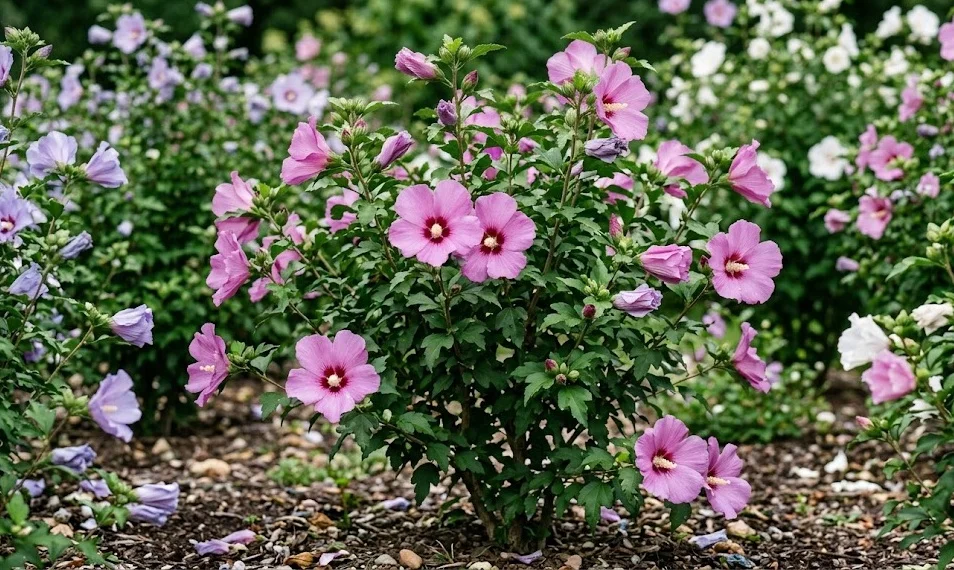

Preparing your shrubs for the cold months is an essential task that ensures they emerge from dormancy with vigor and health in the coming spring. While the rose of sharon is known for its impressive cold hardiness in many regions, extreme winter conditions can still pose a threat to its structural integrity and overall vitality. Professional overwintering involves a combination of environmental protection, moisture management, and strategic timing that respects the plant’s natural life cycle. A well-prepared plant is much more likely to survive the harshest weather and reward you with a spectacular display in the new year.
Preparing the plant for dormancy
The transition to winter begins long before the first frost arrives, as the plant naturally starts to slow its metabolic processes in response to shorter days. You should stop applying nitrogen-rich fertilizers by mid-summer to prevent the stimulation of soft, new growth that will not have time to harden before the cold sets in. This hardening process, also known as lignification, is vital because it turns flexible green stems into sturdy, woody structures that can withstand freezing temperatures. Allowing the plant to enter this phase naturally is the first and most important step in a successful overwintering strategy.
As the leaves begin to turn yellow and drop off, it is a good idea to perform a final cleanup of the area around the base of the shrub. Removing fallen foliage and any organic debris helps to eliminate potential overwintering sites for pests and fungal spores that could cause problems in the spring. This practice also gives you a clear view of the root zone, making it easier to apply protective mulch and inspect the bark for any signs of late-season damage. A clean garden bed is not only more attractive during the winter but also much healthier for the plants living within it.
Moisture management remains a critical concern even as the plant enters its dormant phase and loses its leaves for the winter season. You should continue to monitor the soil moisture and provide a deep, thorough watering if the autumn has been particularly dry and the ground has not yet frozen. A hydrated plant is much better equipped to handle the drying effects of cold winter winds, which can pull moisture from the woody stems and cause them to shrivel. Ensure that the water reaches deep into the root zone to create a reservoir that the plant can rely on until the spring thaw begins.
One of the last tasks before the ground freezes is to refresh the layer of organic mulch around the root zone of your prized shrubs. A thick layer of bark chips, shredded leaves, or compost acts like an insulating blanket, protecting the roots from the most extreme temperature fluctuations. This insulation helps to prevent the cycle of freezing and thawing that can sometimes heave the plant out of the ground or damage its delicate fine roots. Keeping the mulch a few inches away from the main trunk is important to prevent moisture from being trapped against the bark, which could lead to rot.
More articles on this topic
Protecting young and vulnerable specimens
Young shrubs that have only been in the ground for a year or two are much more susceptible to winter damage than established, mature specimens. Their root systems are not yet as deep or extensive, and their woody stems may still be relatively thin and vulnerable to physical stress. You might consider creating a temporary windbreak using burlap or a similar material to protect these younger plants from the harshest winter gales. This simple structure can significantly reduce the amount of moisture lost through the bark and prevent the stems from becoming dangerously dehydrated.
In regions that experience particularly severe winters or frequent ice storms, providing a bit of structural support for younger plants is a wise precaution. You can use stakes and soft ties to gently secure the main stems and prevent them from snapping under the weight of heavy snow or ice accumulation. Be sure to check these supports periodically throughout the winter to ensure they are still effective and are not rubbing against the bark of the shrub. This proactive approach protects the investment you have made in your landscape and ensures the plant grows straight and strong.
Rodent damage can be a surprising but significant issue during the winter when food sources for small animals like mice and voles become scarce. These animals sometimes chew on the bark at the base of the shrub, which can girdle the plant and cut off its supply of water and nutrients. You can protect the trunk of a young shrub by installing a simple wire mesh guard or a plastic tree protector around the lower portion of the stem. Regularly checking for signs of chewing or tunneling around the base will help you identify a problem before it leads to the loss of the entire plant.
If you are growing your rose of sharon in a container, the overwintering process requires even more attention because the roots are much more exposed to the cold. The small volume of soil in a pot can freeze much more quickly and deeply than the ground, which can be fatal for even the hardiest species. You may need to move the container to a protected, unheated space like a garage or shed, or wrap the pot in insulating materials to keep the roots safe. Ensuring that the soil stays slightly moist but never waterlogged is the key to success for container-grown shrubs during the winter.
More articles on this topic
Managing snow and ice accumulation
Snow can actually be a beneficial insulator for your garden, but heavy, wet accumulations can also pose a physical threat to the branches of your shrubs. If you notice that the weight of the snow is significantly bowing the stems, you can gently brush it off with a broom using an upward motion. Avoid shaking the branches vigorously, as they are much more brittle in the cold and can snap easily if they are handled too roughly. Removing the excess weight prevents structural damage and helps the shrub maintain its natural shape once the snow melts.
Ice storms are particularly dangerous because the weight of the ice can be immense and it is much more difficult to remove without causing further damage. If your shrub becomes coated in ice, the best course of action is often to leave it alone and wait for it to melt naturally as the temperatures rise. Attempting to chip or melt the ice yourself can lead to bark damage or broken branches that are much more difficult for the plant to heal. Patience is a virtue in the winter garden, and most healthy shrubs can recover from a bit of ice if they are given the time to do so.
Salt used for de-icing walkways and roads can be incredibly damaging to the soil and the roots of your shrubs if it is allowed to accumulate. If your plants are located near a salted area, you might consider installing a temporary physical barrier to prevent the salt-laden spray from reaching them. In the spring, a deep and thorough watering can help to flush any accumulated salts out of the root zone and prevent them from causing long-term harm. Being aware of these secondary winter threats is part of a professional and comprehensive approach to plant care.
After a major winter storm, it is always a good idea to walk through your garden and assess the condition of your permanent landscape residents. Look for any broken branches or signs of structural stress that might need to be addressed once the weather clears up. You can perform emergency pruning to remove dangling branches that could pose a safety hazard or cause further damage to the rest of the plant. These small observations and actions ensure that your garden remains safe and well-managed even during the most challenging months of the year.
Re-emergence and spring transition
As the days begin to lengthen and the ground starts to thaw, your shrub will slowly begin its transition out of its deep winter dormancy. It is important to remember that the rose of sharon is often one of the last plants to break dormancy and show signs of green growth in the spring. You should resist the urge to prune or fertilize too early, as the plant is still in a vulnerable state as it wakes up from its long rest. Waiting until the soil has warmed up and you see the first tiny green buds is the best strategy for a successful spring start.
Once you are certain that the danger of hard frost has passed, you can begin to remove any protective wraps or windbreaks that you installed for the winter. This is also the time to perform a more thorough inspection of the plant and remove any branches that did not survive the cold. You should look for wood that is brittle and dry, which indicates that it has died back and should be pruned to make room for new growth. Starting the season with a clean and well-shaped shrub sets the stage for a spectacular display of flowers in the coming summer.
Spring is also the ideal time to evaluate the effectiveness of your overwintering strategy and make notes for the future. If you noticed significant dieback or structural damage, you might consider adjusting your protection methods or even relocating the plant to a more sheltered spot. Every winter is different, and being able to adapt your care to the specific challenges of your climate is the hallmark of an expert gardener. Your shrub will reward this attention to detail with consistent performance and enduring beauty year after year.
Finally, as the plant begins its rapid growth in the late spring, you can resume your regular routine of watering and fertilizing to support its development. The energy stored in the roots and woody stems over the winter is now being put to use to create the next generation of lush foliage and vibrant blooms. There is something deeply satisfying about watching a plant you have carefully protected through the winter burst back into life with renewed vigor. The cycle of the seasons is a powerful reminder of the resilience of nature and the rewards of dedicated and professional garden care.