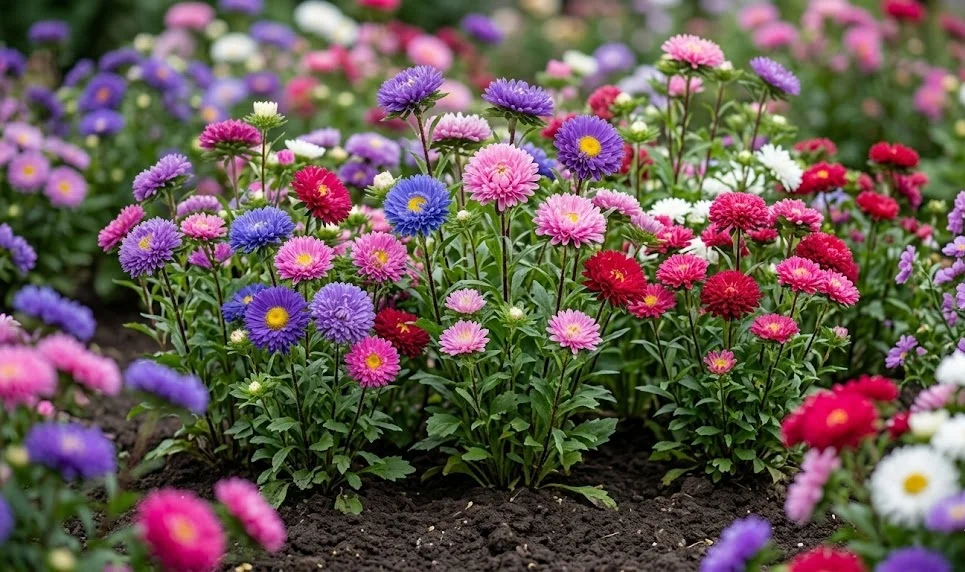

Protecting the China aster from various diseases and pests is one of the most challenging aspects of its cultivation. These plants are susceptible to a range of issues that can quickly derail a beautiful garden if left unmanaged. From fungal wilts to invasive insects, the threats are numerous and require a vigilant eye and a proactive strategy. By understanding the common enemies of these flowers, you can implement effective prevention and treatment methods. Maintaining a healthy garden environment is the first and most important step in safeguarding your floral investments.
Fungal disease management
Fungal infections are among the most common problems encountered when growing these particular flowers in a garden. Fusarium wilt is a devastating soil-borne disease that causes the plants to droop and eventually die back completely. Because the fungus survives in the soil for many years, crop rotation is the only effective long-term management strategy. Choosing resistant varieties when purchasing seeds or seedlings can also provide an added layer of protection.
Powdery mildew is another fungal issue that often appears as a white, dusty coating on the leaves and stems. This problem is usually triggered by a combination of high humidity and poor air circulation around the plants. While it rarely kills the plant, it significantly weakens it and ruins the aesthetic value of the foliage. Thinning out dense plantings and watering only at the base can help keep this mildew at bay.
Stem rot can occur if the soil remains excessively wet for long periods, especially in heavy clay environments. The base of the plant may turn soft and dark, leading to a sudden collapse of the entire structure. Improving soil drainage and avoiding overwatering are the primary ways to prevent this heartbreaking condition. Once a plant is infected with rot, it is usually best to remove and destroy it to prevent further spread.
Preventative fungicide treatments can be used in areas where fungal diseases are known to be a recurring problem. These products should be applied before the symptoms appear, especially during periods of wet and humid weather. However, many gardeners prefer to rely on cultural practices like proper spacing and hygiene to manage these issues naturally. A balanced approach that prioritizes plant health will always yield the most sustainable results.
More articles on this topic
Dealing with viral infections
Viral diseases present a unique challenge because there are no chemical cures once a plant has been infected. Aster yellows is a common viral-like disease that is actually caused by phytoplasmas and spread by small insects called leafhoppers. Symptoms include yellowing leaves and strange, green-colored flower heads that fail to develop properly. This disease can affect many different species in the garden, making it a significant threat to overall biodiversity.
The only way to manage viral infections is to remove and destroy the infected plants as soon as they are identified. Do not add these plants to your compost pile, as the pathogens can sometimes survive the composting process. By acting quickly, you can stop the virus from spreading to the healthy individuals in your flower bed. This “search and destroy” mission is a necessary part of maintaining a clean and productive horticultural space.
Controlling the insects that carry these viruses is the secondary line of defense for the concerned gardener. By reducing the population of leafhoppers and other sap-sucking pests, you indirectly reduce the risk of viral transmission. Natural predators, such as ladybugs and lacewings, can be encouraged to live in your garden to provide free pest control. This biological balance is much more effective than relying solely on intensive chemical interventions.
Reflecting on the history of your garden can help you identify patterns of viral outbreaks over time. If a certain area consistently produces diseased plants, it may be time to change what you grow there for a few seasons. Viral pathogens often have specific host ranges, so switching to a non-susceptible plant can break the cycle of infection. This long-term thinking is a hallmark of an expert who understands the complexities of the natural world.
More articles on this topic
Identifying common insect pests
Aphids are small, soft-bodied insects that often cluster on the undersides of leaves and on new, tender growth. They feed by sucking the sap from the plant, which causes the leaves to curl and become distorted over time. In addition to physical damage, aphids excrete a sticky substance called honeydew that can lead to the growth of sooty mold. A strong stream of water or a simple insecticidal soap is usually enough to manage a minor infestation.
Spider mites are nearly invisible to the naked eye but can cause significant damage during hot and dry summer months. They create fine webbing on the foliage and cause a stippled, yellowed appearance on the surface of the leaves. These pests thrive in dusty conditions, so keeping the area around your plants clean can help discourage them. Increasing the humidity around the plants through light misting during heatwaves can also slow their reproduction.
Japanese beetles are a more visible threat, known for skeletonizing the leaves and devouring entire flower heads in a short time. They are most active during the middle of the summer and can be controlled through manual removal or specific traps. While traps can be effective, they sometimes attract more beetles to the area than they actually catch. A focused approach that combines several methods is usually the most successful way to deal with these hungry invaders.
Leafhoppers are perhaps the most dangerous pests because of their role in spreading the dreaded aster yellows disease. They are small, wedge-shaped insects that jump quickly when the foliage is disturbed or brushed against. Monitoring their presence is essential for anyone who wants to prevent a widespread viral outbreak in their flower garden. Using row covers during the peak of their activity can provide a physical barrier that protects your most valuable plants.
Organic pest control methods
Integrated Pest Management, or IPM, is a professional approach that emphasizes natural and low-impact solutions for the garden. The first step is always to monitor the plants regularly to identify pests before they reach a critical population level. In many cases, a small number of insects will not cause significant damage and can be left for natural predators to handle. This patience allows the garden’s own immune system to develop and function effectively.
Attracting beneficial insects is a powerful way to keep pest populations in check without using harsh chemicals. Planting a variety of herbs and flowers that provide nectar and pollen will encourage predatory wasps and beetles to stay. These “garden allies” work around the clock to find and consume the pests that would otherwise damage your asters. A diverse and balanced landscape is naturally more resilient to the challenges posed by harmful insects.
Neem oil and insecticidal soaps are excellent organic options for treating infestations that have become unmanageable through natural means. These products work by disrupting the breathing or feeding mechanisms of the insects without leaving toxic residues behind. They should be applied in the early morning or late evening to avoid harming bees and other pollinators that are active during the day. Following the label instructions ensures that these tools are used safely and effectively.
Barriers and traps can also play a role in a comprehensive organic pest management strategy for your flower beds. Floating row covers are particularly effective at keeping insects away from young, vulnerable seedlings during the early season. Yellow sticky traps can be used to monitor the arrival of flying pests and provide a rough estimate of their population size. These simple, physical solutions contribute to a healthier garden for both the plants and the person who cares for them.
Cleanliness and hygiene in the garden
Maintaining a clean garden environment is one of the most effective ways to prevent both diseases and pest infestations. Removing fallen leaves and spent flowers prevents the accumulation of organic matter that can harbor pathogens over the winter. This practice also eliminates hiding spots for insects that might otherwise survive to plague your garden the following year. A tidy garden is not just about aesthetics; it is a fundamental part of professional plant health management.
Cleaning your gardening tools regularly is another simple but vital step in preventing the cross-contamination of your flower beds. Pruning shears and trowels can easily carry fungal spores or viral particles from an infected plant to a healthy one. A quick wipe with a disinfectant or a diluted bleach solution between uses can save you a lot of trouble in the long run. This professional habit reflects a serious commitment to the well-being of your entire horticultural collection.
Weed control also contributes significantly to the overall hygiene and health of your managed landscape. Many weeds act as alternative hosts for the same diseases and pests that attack the China aster in your beds. By keeping the surrounding areas clear, you reduce the reservoirs from which these problems can emerge and spread. A holistic approach to garden maintenance includes looking beyond the primary plants to the entire surrounding environment.
Finally, proper disposal of diseased material is critical for the long-term health of your property and soil. Never compost plants that have shown signs of viral or severe fungal infections, as the heat of a home compost pile may not be enough to kill the pathogens. Instead, bag these materials and dispose of them with your regular trash or through a professional green waste service. This final act of hygiene ensures that you are not accidentally feeding next year’s problems today.