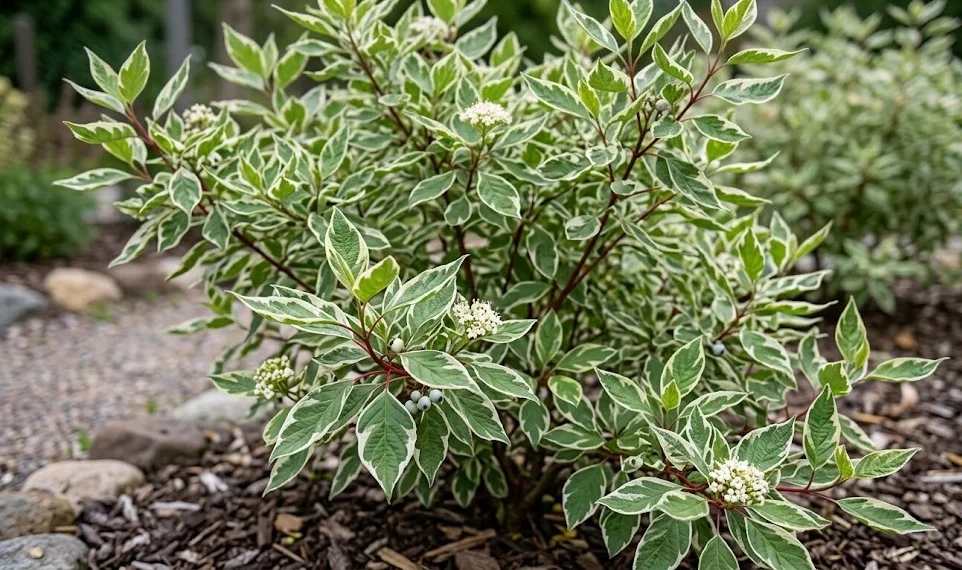

Maintaining the health of the variegated dogwood requires a professional understanding of the various biological threats that can affect its appearance and vitality. While this variety is generally considered robust, it is not entirely immune to the pressures of fungal pathogens and opportunistic insects. Early identification of these issues is crucial for preventing widespread damage that could ruin the ornamental value of the shrub’s unique foliage and colorful stems. A proactive management strategy combined with regular monitoring forms the basis of a successful plant protection plan.
Fungal diseases are among the most common problems encountered by gardeners growing this species, particularly in regions with high humidity or frequent rainfall. These pathogens often target the leaves, causing various types of spots or blights that can lead to premature leaf drop if left unchecked. Understanding the conditions that favor fungal growth allows for cultural adjustments that can significantly reduce the risk of infection. Often, simply improving air circulation or adjusting irrigation practices can be more effective than relying solely on chemical treatments.
Pests, ranging from tiny sucking insects to larger wood-boring larvae, can also impact the growth and structural integrity of the dogwood. These organisms often exploit plants that are already stressed by environmental factors like drought or poor soil conditions. Identifying the specific pest involved is the first step in choosing the most appropriate and least disruptive control method. A professional approach always prioritizes integrated pest management, which focuses on long-term prevention and the use of the most targeted interventions possible.
Regular inspections of the stems, leaves, and overall growth habit are essential for maintaining a professional-grade landscape specimen. By becoming familiar with the normal appearance of the variegated dogwood at different stages of the year, you will be much quicker to notice when something is wrong. Prompt action at the first sign of trouble can often save a significant amount of time and resources later in the season. This chapter will detail the most frequent challenges and provide expert guidance on how to manage them effectively and professionally.
Identifying common fungal leaf spots
Leaf spot diseases are a frequent occurrence on variegated dogwoods, often manifesting as small, dark lesions on the foliage during the spring and summer. These spots are typically caused by fungi such as Septoria or Cercospora, which thrive in moist, cool conditions where the leaves remain wet for extended periods. While a few spots may only be an aesthetic concern, a heavy infection can cause the leaves to turn yellow and fall off the plant prematurely. This not only reduces the beauty of the shrub but can also weaken it over time by reducing its ability to photosynthesize.
More articles on this topic
Anthracnose is another more serious fungal condition that can affect many types of dogwoods, including the variegated varieties. It often starts as small spots on the leaves but can quickly spread to the twigs and branches, causing dieback and potentially even killing the entire plant in severe cases. You can distinguish anthracnose by the characteristic tan centers and dark purple borders of the spots, as well as the presence of cankers on the woody stems. Managing this disease requires a combination of strict sanitation, careful pruning, and sometimes the application of professional-grade fungicides.
Powdery mildew is a well-known fungal issue that appears as a white, dusty coating on the surface of the leaves, often during the late summer and autumn. Unlike many other fungi, powdery mildew does not require liquid water to infect the plant, but it does flourish in high humidity and stagnant air. On variegated dogwoods, the white coating can sometimes be difficult to see against the white leaf margins until the infection is quite advanced. While it is rarely fatal, it can cause the leaves to distort and become unsightly, detracting from the professional appearance of the garden.
The best way to manage these fungal issues is through preventative cultural practices that make the environment less hospitable to pathogens. This includes spacing plants far enough apart to ensure excellent air circulation and avoiding overhead watering that keeps the foliage wet for long periods. Removing and destroying fallen leaves in the autumn is also a critical step, as many of these fungi overwinter on infected plant debris. By focusing on these professional sanitation methods, you can significantly reduce the need for chemical interventions and maintain a healthier landscape overall.
Managing insect pests and infestations
Sucking insects like aphids and scale are among the most frequent pests found on the variegated dogwood, often congregating on the new, tender growth. Aphids are small, soft-bodied insects that feed on the plant’s sap, which can lead to distorted leaves and the growth of sooty mold on the sticky residue they leave behind. In most cases, a strong blast of water from a garden hose is enough to dislodge them without causing harm to the plant or the environment. For larger populations, professional-grade insecticidal soaps or horticultural oils can be very effective and have a low impact on beneficial insects.
More articles on this topic
Scale insects present a different challenge as they often look like small, stationary bumps on the stems rather than typical bugs. They protect themselves with a waxy shell, making them more difficult to control with standard contact insecticides once they have established themselves. Monitoring the stems during the winter and early spring is the best way to catch an infestation before it spreads. Applying a dormant oil spray during the plant’s dormant period can smother the overwintering scales and significantly reduce the population for the coming growing season.
Dogwood sawfly larvae are another pest to watch for, as they can quickly defoliate large sections of the shrub if left unmanaged. These larvae look similar to small caterpillars and feed gregariously on the leaves, often starting from the edges and leaving only the main veins behind. Because they tend to feed in groups, they are relatively easy to spot and can often be removed by hand in a small garden setting. In professional landscapes with many plants, a targeted application of a biorational insecticide may be necessary to protect the foliage.
Borers are perhaps the most serious pest threat, as they tunnel into the wood of the stems and can cause entire branches to die or break. Stressed or injured plants are much more likely to attract borers, so maintaining the overall health and vigor of the dogwood is the best defense. Look for small holes in the bark or sawdust-like material (frass) at the base of the stems as signs of their presence. Infested branches should be pruned out and destroyed immediately to prevent the borers from completing their life cycle and moving to other parts of the plant.
Cultural practices for disease prevention
A professional approach to plant health always begins with creating the right environmental conditions to prevent problems before they start. For the variegated dogwood, this means selecting a site that provides enough sunlight to dry the leaves quickly after rain or dew. While the plant can tolerate some shade, very dark and damp locations are prime breeding grounds for many of the fungal pathogens discussed earlier. Ensuring the soil is well-drained is also essential for preventing root-related issues that can weaken the plant’s overall immune system.
Pruning is not just for aesthetics; it is a vital tool for disease management and prevention in woody shrubs. By thinning out the interior of the dogwood, you allow more light and air to reach the center of the plant, which keeps the foliage drier and healthier. Always use clean, sharp tools and make proper cuts to ensure the wounds heal quickly and do not become entry points for canker-causing organisms. If you are pruning a plant that is already showing signs of disease, it is critical to sterilize your tools between every cut with alcohol or a bleach solution.
Sanitation is often overlooked but is one of the most effective professional techniques for managing pests and diseases over the long term. This involves regularly removing any dead or diseased wood and picking up fallen leaves that might be harboring spores or eggs. In the autumn, a thorough cleanup of the area around the base of the shrub can break the life cycle of many common garden problems. This simple practice reduces the amount of “pressure” the plant faces the following spring, allowing it to grow more vigorously and beautifully.
Finally, the role of proper watering and fertilization in disease prevention cannot be overstated. A plant that is consistently hydrated and has access to all the necessary nutrients is far better equipped to resist and recover from minor infections. Avoid the extremes of drought or over-saturation, and feed the plant moderately to encourage strong, resilient growth rather than soft, succulent tissue. By viewing the care of the variegated dogwood through the lens of holistic health, you create a landscape that is naturally more resistant to the challenges of pests and diseases.
Strategic use of treatments and interventions
When cultural practices alone are not enough to manage a pest or disease problem, a professional must decide on the most appropriate intervention. This decision should always be based on a clear identification of the problem and an understanding of the potential impacts of the treatment. For fungal issues, preventative fungicide applications may be necessary in areas with a history of severe infections or during exceptionally wet years. It is important to rotate between different classes of fungicides to prevent the pathogens from developing resistance over time.
For insect control, a “scout and treat” approach is usually more effective and environmentally responsible than a broad-spectrum preventative program. By monitoring the plants regularly, you can identify pest populations when they are still small and confined to a few branches. Spot-treating only the affected areas with targeted products like horticultural oil or soap preserves the population of predatory insects that help keep pests in check. This balanced approach is a hallmark of professional integrated pest management and leads to a more stable garden ecosystem.
Whenever applying any kind of treatment, it is essential to follow the label instructions exactly to ensure both effectiveness and safety. This includes using the correct concentration, applying at the right time of day, and wearing any necessary protective equipment. It is also important to consider the weather conditions, as high temperatures or imminent rain can interfere with the performance of many products. A professional gardener knows that the success of a treatment depends as much on the timing and technique as it does on the product itself.
Finally, it is worth remembering that not every spot or bug requires a chemical response. In many cases, a healthy variegated dogwood can tolerate a certain amount of minor damage without any long-term consequences for its survival or beauty. Evaluating the “threshold” for treatment is a key part of professional judgment in the landscape. By focusing on the most critical threats and using interventions strategically, you maintain the highest standards of plant care while being a responsible steward of the environment.
Long-term health monitoring and records
The final piece of a professional plant protection program is the maintenance of accurate records and a consistent monitoring schedule. Keeping track of when certain pests or diseases appear each year can help you anticipate and prepare for them in the future. For example, if you know that powdery mildew typically starts in late August in your climate, you can begin more frequent inspections or preventative treatments in early August. This proactive stance is much more effective than trying to react to a major outbreak once it has already taken hold.
Monitoring should include not just the plants themselves, but also the environmental conditions that might be influencing their health. Note down periods of unusual weather, such as late frosts, prolonged droughts, or exceptionally wet springs, and observe how the dogwoods respond. Over time, you will develop a deep understanding of the specific vulnerabilities of the variegated dogwood in your local area. This expert knowledge allows for more precise and effective care that is tailored to the unique conditions of your professional projects.
In larger landscapes, creating a simple health checklist can ensure that every plant receives the same high level of attention during routine maintenance. This might include checking for borer holes, evaluating leaf color, and assessing the condition of the mulch layer. By making these inspections a standard part of the workflow, you ensure that no small problem is allowed to develop into a major issue through neglect. This systematic approach is what separates professional-grade gardening from more casual hobbyist methods.
Ultimately, the goal of managing diseases and pests is to allow the variegated dogwood to reach its full potential as a stunning landscape feature. By combining expert knowledge, proactive cultural practices, and strategic interventions, you can overcome the challenges of the growing season. A healthy, vibrant shrub is a testament to the skill and dedication of the professional who cares for it. Through consistent monitoring and professional management, the variegated dogwood will continue to provide year-round beauty for many years to come.