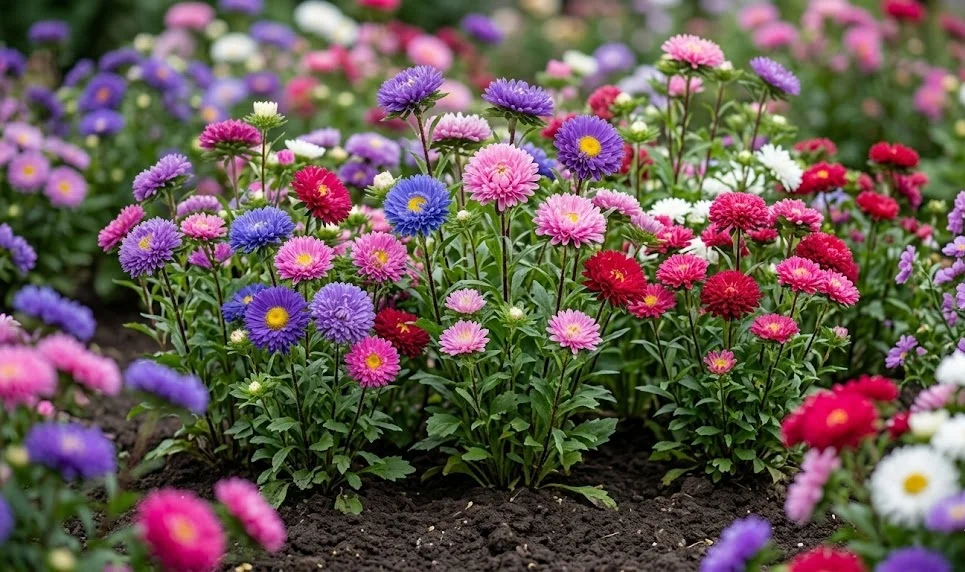

Effective pruning and cutting back techniques are essential for maintaining the shape, health, and productivity of your China asters. While many people think of pruning as a task for woody shrubs, it is equally important for annual flowers to ensure they look their best. By strategically removing certain parts of the plant, you can encourage more blooms and prevent the spread of unwanted diseases. This hands-on approach allows the gardener to take an active role in the development of the plant’s form and function. Mastering these simple cutting techniques is a key step toward achieving professional results in any garden setting.
The practice of deadheading
Deadheading is the process of removing spent or faded flowers before they have a chance to develop seeds. When a plant begins to form seeds, it sends a signal to its biological systems to stop producing new flower buds. By cutting off the old blooms, you effectively “trick” the plant into continuing its flowering cycle for a much longer period. This simple task can extend the beauty of your garden by several weeks or even months in some climates.
To deadhead correctly, you should cut the stem back to the first set of healthy leaves or a new lateral bud. This encourages the plant to branch out and produce even more flowers from the nodes below the cut. Using sharp, clean scissors or pruning shears ensures that the cut is clean and will heal quickly without inviting pathogens. This regular maintenance keeps the plant looking tidy and vibrant throughout the entire summer season.
In addition to promoting more flowers, deadheading also improves the overall aesthetic appeal of the garden bed. Brown, withered flowers can distract from the beauty of the fresh blooms and make the entire display look neglected. Removing them creates a clean, professional look that highlights the best features of each individual plant. This attention to visual detail is what separates a well-managed garden from a wild and overgrown one.
Consistency is the most important factor when it comes to a successful deadheading routine for your flowers. A quick walkthrough of the garden every few days is usually enough to stay on top of the fading blooms. This small investment of time yields a massive return in the form of a continuous and impressive floral show. Once you see the results of your efforts, deadheading will become a rewarding part of your regular garden care.
More articles on this topic
Pinching stems for structure
Pinching is a form of early-season pruning that involves removing the very top of the main stem when the plant is young. This action breaks the “apical dominance” of the plant, which encourages it to grow more side branches rather than just one tall stem. The result is a bushier, more robust plant that can support a greater number of flowers overall. For many varieties of this species, pinching is the secret to a full and impressive display.
The best time to pinch your plants is when they are about six to eight inches tall and have several sets of true leaves. Simply use your thumb and forefinger to snap off the top inch of the central growing tip just above a leaf node. If you prefer, you can also use small snips, but the goal is the same regardless of the tool. This temporary pause in upward growth will soon lead to a much more vigorous and well-branched structure.
A bushier plant is naturally more stable and less likely to be damaged by wind or heavy rain during the summer. Instead of one tall, vulnerable stem, you have a multi-branched foundation that distributes the weight of the flowers more evenly. This can often reduce or even eliminate the need for artificial staking for some of the medium-sized varieties. It is a proactive way to build structural integrity into the plant from the very beginning of its life.
While it might feel counterintuitive to cut back a healthy young plant, the long-term benefits are well worth the initial delay. You will end up with a plant that has a much higher flower-to-foliage ratio and a more pleasing, rounded shape. Professional growers almost always use this technique to create the high-quality, dense plants that people admire in nurseries. Giving your plants this early attention sets them up for a spectacular performance later in the year.
More articles on this topic
Post-bloom pruning and aesthetics
As the main flowering season begins to wind down, you may find that the plants start to look a bit tired or overgrown. At this stage, a more significant cut back can help revitalize the appearance of the garden bed. You can remove any leggy or yellowing stems to allow the remaining healthy parts of the plant to shine. This late-season grooming keeps the garden looking intentional and well-cared for even as the autumn chill sets in.
If the plants have been affected by any minor leaf spotting or mildew, pruning away the damaged foliage can slow the spread. Be sure to clean your tools after each cut to ensure you are not accidentally moving the pathogens around. This sanitary pruning is a critical part of maintaining a healthy environment for the rest of your horticultural collection. It is always better to remove a few leaves now than to lose an entire plant later on.
Once the final frost of the season arrives and the plants have completely finished their cycle, a final cutting back is required. You can cut the entire plant down to within an inch of the soil level to make the final removal easier. This clearing of the beds is the last act of the gardening year and prepares the ground for its winter rest. It is a satisfying task that brings a sense of closure to a successful growing season.
Reflecting on how the plants responded to your pruning and cutting throughout the year is an important part of learning. Every variety is a bit different, and you may find that some respond better to pinching or deadheading than others. Taking notes on these observations will make you a much more effective and expert gardener in the years to come. The art of pruning is a continuous journey of discovery and refinement in the garden.