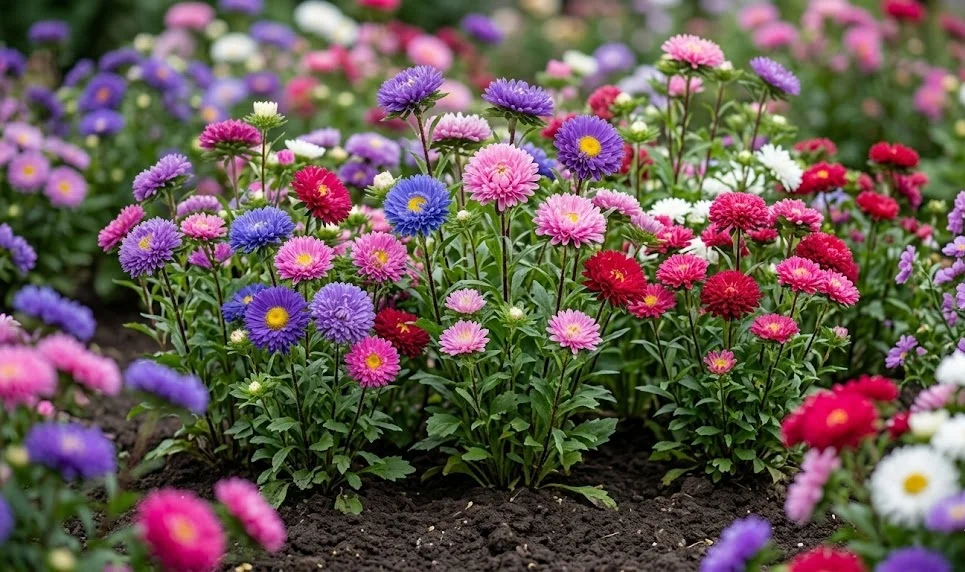

Providing proper care for the China aster is essential for any gardener who wishes to enjoy a vibrant and colorful display throughout the late summer and autumn months. This versatile plant offers a wide range of colors and forms, making it a favorite for both garden beds and floral arrangements. To achieve the best results, one must understand the fundamental needs of these flowers, from soil conditions to environmental factors. By following a structured maintenance routine, you can ensure that your plants remain healthy and produce a profusion of blooms until the first frost arrives.
General cultivation guidelines
Understanding the basic biological requirements of this species is the first step toward a successful garden season. These plants thrive in environments that mimic their native habitats, providing a balance of moisture and sunlight. Maintaining a steady growth rate requires consistent observation and timely intervention when the environment changes. Experienced growers often emphasize that a proactive approach is much more effective than trying to fix problems after they arise.
Temperature management plays a critical role in how well these flowers develop their characteristic petals and sturdy stems. While they enjoy warmth, extreme heat without adequate ventilation can lead to stress and reduced flower production. It is important to monitor local weather patterns and provide temporary protection during particularly harsh periods. A well-placed garden bed can mitigate many of the risks associated with sudden temperature shifts.
Air circulation is another factor that is frequently overlooked but remains vital for plant health. Dense planting can create a humid microclimate that encourages the development of unwanted fungal issues. By allowing enough space between individuals, you ensure that the foliage dries quickly after rain or dew. This simple step significantly reduces the likelihood of leaf-related complications throughout the growing season.
Soil structure must be considered an ongoing project rather than a one-time preparation task. Over time, soil can become compacted, which hinders the ability of roots to access oxygen and water. Regular aeration and the addition of organic matter help maintain a friable texture that supports vigorous root growth. Healthy roots are the foundation of a resilient plant that can withstand various environmental pressures.
More articles on this topic
Soil quality and preparation
The foundation of any successful garden bed starts with the composition and health of the soil. These flowers prefer a medium that is rich in organic nutrients and possesses excellent drainage capabilities. Heavy clay soils should be amended with compost or well-rotted manure to improve their overall structure. Testing the soil before the planting season begins allows for precise adjustments to be made to the nutrient levels.
Maintaining a slightly acidic to neutral pH level is ideal for the optimal uptake of minerals. If the soil is too alkaline, certain micronutrients may become locked away and unavailable to the plant. Gardeners can use natural amendments to slowly shift the pH balance over several months for long-term stability. Consistent monitoring ensures that the chemical environment remains favorable for the entire duration of the growth cycle.
Organic matter serves multiple purposes in the garden, acting as both a fertilizer and a soil conditioner. It helps the soil retain moisture during dry spells while preventing it from becoming waterlogged during heavy rains. Mixing in high-quality compost provides a slow-release source of energy for the developing flowers. This natural approach creates a sustainable ecosystem within the garden bed that benefits all surrounding vegetation.
Proper site preparation involves more than just digging a hole and placing a seedling inside. Clearing the area of weeds and old plant debris prevents competition for resources and reduces the risk of disease. Deep tilling helps to break up hardpan layers that might otherwise restrict downward root expansion. A thoroughly prepared bed allows the plants to establish themselves quickly and begin their upward growth without delay.
More articles on this topic
Environmental and climatic factors
Choosing the right location within your landscape is a strategic decision that affects the entire lifespan of the plant. These flowers are sensitive to wind, which can damage delicate stems and cause large blooms to droop. Placing them near a fence or a taller hedge provides a natural windbreak that protects their structural integrity. However, it is important that these barriers do not block the essential sunlight required for photosynthesis.
Humidity levels can fluctuate significantly depending on the geography and the specific season. High humidity requires more careful monitoring of the foliage to prevent the onset of powdery mildew or other molds. Conversely, in very dry climates, a thick layer of mulch can help maintain a stable moisture level in the ground. Balancing these environmental conditions requires a keen eye and a willingness to adapt your care routine as needed.
Seasonal transitions can be challenging for annuals that are nearing the end of their peak performance. As the days grow shorter and nights become cooler, the metabolic rate of the plant naturally begins to slow down. During this time, reducing the intensity of care can help the plant transition into its final phase of blooming. Observing these natural rhythms allows the gardener to work in harmony with the environment rather than against it.
Urban environments present unique challenges, such as heat islands and reflected light from buildings. These factors can raise the ambient temperature around the plants significantly higher than in rural areas. Choosing a spot that receives morning sun and afternoon shade can prevent heat stress in such settings. Adapting your strategy based on your specific urban or rural microclimate is a hallmark of an expert gardener.
Maintaining floral vigor
To keep the display looking its best, regular maintenance of the blooms themselves is required. Removing spent flowers prevents the plant from putting energy into seed production, which encourages more buds to form. This practice, known as deadheading, is one of the most effective ways to extend the flowering period. It also keeps the plant looking tidy and prevents the accumulation of rotting organic material on the stems.
Stems that become top-heavy with large clusters of flowers may require additional support to prevent snapping. Bamboo stakes or specialized wire cages can be used to hold the plants upright during heavy rains or gusts of wind. It is best to install these supports early in the season so that the plant can grow into them naturally. This proactive measure ensures that the visual impact of the garden remains uninterrupted by fallen stems.
Monitoring for signs of nutrient depletion during the peak blooming phase is crucial for sustained beauty. If the leaves begin to yellow or the flowers start to shrink in size, it may be time for a light application of fertilizer. However, excessive nitrogen at this stage can promote foliage growth at the expense of floral development. A balanced approach ensures that the plant has exactly what it needs to maintain its impressive display.
Consistency in your daily or weekly checks is the secret to a professional-looking garden. Taking a few minutes to walk through the beds allows you to spot small issues before they become major problems. Whether it is a single pest or a dry patch of soil, early detection makes the solution much simpler. This dedicated attention to detail is what separates a thriving garden from one that merely survives.
Weed and mulch management
Weeds are not just an aesthetic nuisance; they are fierce competitors for water, nutrients, and light. Establishing a regular weeding schedule prevents these unwanted visitors from overrunning your flower beds. Pulling weeds by hand when they are small is much easier and less disruptive to the aster’s root system. A clean garden bed allows the intended plants to reach their full potential without unnecessary stress.
Mulching is a highly effective technique for suppressing weed growth and regulating soil temperature. Organic mulches, such as shredded bark or straw, break down over time and add nutrients back into the soil. A layer of two to three inches is usually sufficient to provide the desired benefits without suffocating the roots. This layer also acts as a protective barrier that prevents soil-borne diseases from splashing onto the leaves.
The timing of mulch application is just as important as the material used for the process. Applying mulch too early in the spring can trap cold in the ground and delay the warming process. It is generally best to wait until the soil has warmed up and the young plants are well-established. This ensures that the mulch supports growth rather than hindering the natural development of the root zone.
Using mulch also helps in maintaining a clean appearance for the lower parts of the plant. By preventing soil from splashing up during watering, the foliage remains cleaner and less prone to certain types of rot. This visual cleanliness contributes to the professional look of a managed horticultural space. Over time, the integration of mulch into your routine will yield healthier and more resilient flower displays.
Supporting structural integrity
Many varieties of this species can grow quite tall, reaching heights that make them vulnerable to physical damage. Developing a reliable staking system is often necessary for those who grow the larger, more decorative cultivars. Soft ties should be used to secure the stems to the stakes to avoid cutting into the delicate plant tissues. This support allows the flowers to be displayed at their full height, where they can be best appreciated.
Grouping plants together can provide a certain level of mutual support, but it should not replace individual care. If plants are crowded too tightly for support, the lack of air circulation will lead to other health problems. A better strategy is to use subtle supports that blend into the background of the garden foliage. This maintains the natural look of the landscape while providing the necessary mechanical stability for the plants.
The timing of installation for any support structure is critical for its effectiveness throughout the season. Installing stakes when the plant is already falling over is often too late and can cause damage to the roots. By placing supports early, the plant grows naturally around them, making the stakes almost invisible by the time flowers arrive. This planning reflects a professional understanding of plant growth patterns and garden aesthetics.
Checking the ties and stakes periodically ensures that they remain secure and do not become too tight as the stem thickens. A tie that was perfect in June might be strangling a stem by late August as the plant reaches its full size. Simple adjustments can prevent scarring and ensure that nutrients continue to flow freely to the upper parts of the plant. This minor maintenance task pays off in the form of healthy, upright, and beautiful flowers.
Late season and post-bloom care
As the growing season winds down, the focus of care shifts from promoting growth to preparing for the end of the cycle. Reducing watering slightly can help the plant naturally conclude its blooming phase as the weather cools. While you may still see a few flowers, the overall energy of the plant is beginning to transition elsewhere. This is a natural part of the annual lifecycle and should be respected by the gardener.
Once the first hard frost hits, most of the foliage will begin to turn brown and die back. At this point, you can decide whether to remove the plants immediately or leave them for a short period. Leaving some seed heads can provide a food source for local birds during the early winter months. However, eventually, the area should be cleared to prevent the buildup of pathogens that could affect next year’s garden.
Recording your observations from the past season is an invaluable part of long-term garden care. Noting which varieties performed best and which areas of the garden were most successful helps with future planning. These insights allow you to refine your techniques and choose the best locations for next year’s planting. Constant learning is a key characteristic of an expert gardener who strives for excellence every year.
Final cleanup of the garden bed involves removing all dead plant material and disposing of it properly. If the plants were healthy, they could be composted, but any diseased material should be removed from the site. This ensures that the soil is ready for a fresh start when the spring returns once again. Taking the time to finish the season correctly sets the stage for many more years of gardening success.