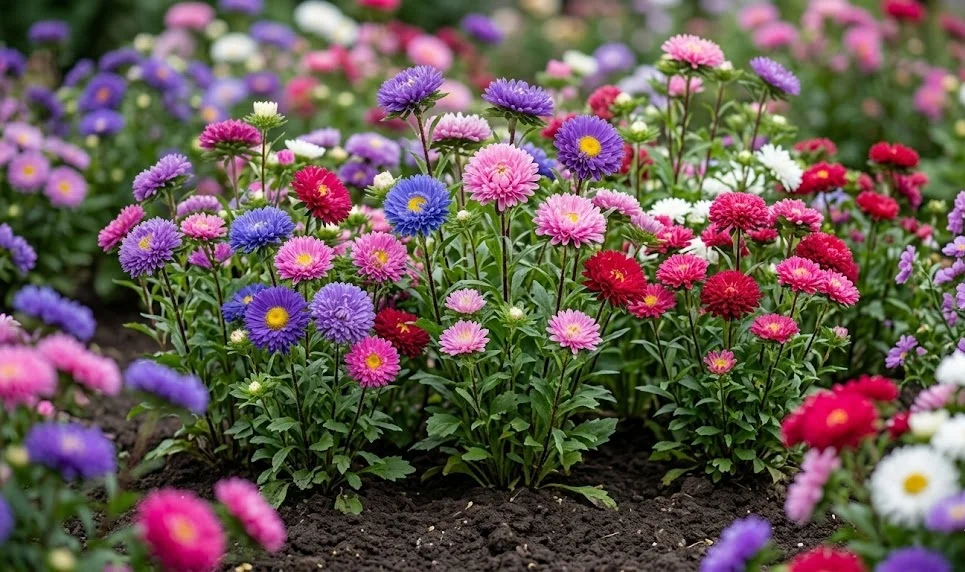

The process of planting and propagating the China aster requires a blend of timing, technique, and patience to ensure a successful outcome. Whether you are starting with seeds indoors or sowing them directly into the garden, understanding the specific needs of these plants is vital. They are known for their reliable germination when conditions are met, making them an excellent choice for both novice and experienced horticulturists. By mastering these methods, you can create a continuous cycle of beauty in your landscape that returns year after year with minimal effort.
Starting seeds in a controlled environment
Beginning your gardening journey indoors allows you to get a head start on the growing season before the frost has cleared. High-quality seed starting mix should be used to provide a sterile and nutrient-poor environment that encourages root search. Shallow trays or individual pots work well, provided they have adequate drainage holes at the bottom. Sowing the seeds about six to eight weeks before the last expected frost is generally considered the ideal timing.
The seeds require a light covering of soil or vermiculite, as they need some exposure to light to trigger germination. Maintaining a consistent temperature between twenty and twenty-two degrees Celsius will promote a rapid and even sprout. Using a heat mat can provide the necessary bottom warmth if your indoor environment tends to be on the cooler side. Once the seedlings emerge, they will need bright, indirect light to prevent them from becoming leggy and weak.
Proper hydration during the early stages of growth is a delicate balance that must be managed carefully. Overwatering can lead to “damping off,” a common fungal disease that kills young seedlings at the soil line. Using a fine mist or watering from the bottom of the tray helps keep the soil moist without disturbing the delicate roots. As the seedlings develop their first true leaves, they can be gradually introduced to a very weak liquid fertilizer.
Thinning the seedlings is often a difficult but necessary step to ensure that the strongest plants have enough room to grow. If multiple seeds sprout in a single cell, choose the most vigorous one and remove the others with a pair of scissors. This prevents root competition and ensures that each plant develops a sturdy stem and a healthy root ball. This early investment in plant health pays significant dividends once the flowers are moved to their permanent home in the garden.
More articles on this topic
Direct sowing in the garden bed
For those who prefer a more natural approach, direct sowing into the garden can produce excellent results once the soil has warmed. This method eliminates the need for transplanting and allows the plants to establish themselves in their final location from the beginning. The soil should be worked to a fine texture and cleared of any large stones or clumps of clay. Sowing the seeds in rows or clusters makes it easier to distinguish the flowers from any emerging weeds.
The timing for direct sowing is critical, as the seeds will not germinate in cold, wet soil. Wait until all danger of frost has passed and the ground feels warm to the touch before placing the seeds. A shallow depth is still required, and a light dusting of soil over the seeds is sufficient to keep them in place. Keeping the area consistently moist during the germination period is the most important task for the gardener at this stage.
Once the seedlings reach a height of about two to three inches, they should be thinned to their final spacing. This distance varies depending on the variety, but generally, ten to twelve inches between plants is a good rule of thumb. Proper spacing ensures that each plant receives enough sunlight and that air can circulate freely around the foliage. This simple step is one of the most effective ways to prevent disease later in the season.
Succession planting is a clever technique that involves sowing new seeds every two to three weeks. This strategy ensures that as one group of flowers begins to fade, a new set is ready to take its place. This creates a continuous bloom cycle that can last from mid-summer well into the late autumn months. It is an excellent way to maximize the visual impact of a small garden space over a long period.
More articles on this topic
Transplanting techniques for success
Moving young plants from their indoor containers to the outdoor garden is a process that requires a gentle touch and careful timing. Before they can be permanently planted, the seedlings must undergo a process called hardening off. This involves exposing them to outdoor conditions for increasing amounts of time each day over a week. This gradual transition prevents transplant shock and allows the plants to adjust to the wind and direct sun.
The actual transplanting should ideally take place on a cloudy day or in the late afternoon to minimize heat stress. Dig a hole that is slightly larger than the root ball and place the plant at the same depth it was growing in its container. Pressing the soil firmly around the roots removes air pockets and ensures good contact with the ground. Watering the plants immediately after transplanting helps settle the soil and provides much-needed hydration.
Using a starter fertilizer can help the young plants establish their roots more quickly in the new environment. These fertilizers are usually high in phosphorus, which specifically targets root development rather than leaf growth. Be careful not to apply the fertilizer directly to the foliage, as this can cause burns on the tender young leaves. A well-nourished plant will bounce back from the transplanting process and begin to show new growth within a week.
Monitoring the transplants for several days after the move is essential to ensure they are adapting well. They may wilt slightly at first, but they should recover quickly as the roots begin to take hold in the surrounding soil. If the weather turns unexpectedly hot, providing temporary shade can help the plants through the adjustment period. Successful transplanting is a critical milestone in the development of a healthy and beautiful aster display.
Site selection and soil enrichment
Choosing the right spot in your garden is the most important decision you will make for your plants. These flowers demand full sun to produce their best blooms and maintain a sturdy, upright habit. A location that receives at least six to eight hours of direct sunlight is considered optimal for most varieties. Without enough light, the plants may become spindly and the flower colors will be less intense than desired.
The soil in your chosen site must be enriched with organic matter to provide a steady supply of nutrients. Well-rotted manure or high-quality garden compost are excellent choices for improving soil fertility and structure. Incorporating these amendments several weeks before planting allows them to begin breaking down and integrating with the existing soil. This preparation creates a nutrient-dense environment that supports rapid growth and prolific flowering.
Drainage is another non-negotiable requirement for a healthy garden site, as these plants do not tolerate “wet feet.” If your garden has heavy clay soil, consider planting in raised beds to improve the drainage capacity. Adding sand or fine gravel can also help, but organic matter is generally the most effective long-term solution. A well-drained site prevents root rot and ensures that oxygen can reach the root system at all times.
Finally, consider the history of the planting site to avoid the buildup of soil-borne pathogens. Rotating where you plant your asters each year is a professional practice that significantly reduces the risk of disease. Avoid planting them in the same spot where other members of the Asteraceae family were grown the previous year. This strategic approach to site selection and soil health ensures a successful and sustainable gardening experience.