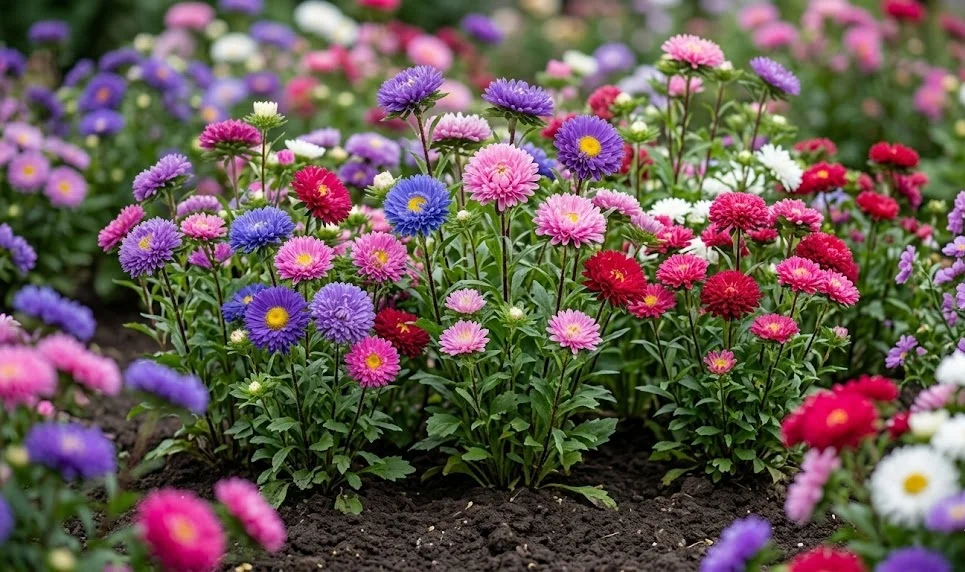

Understanding the specific light requirements of the China aster is fundamental to achieving the best possible results in your garden. These plants are highly responsive to the quality and duration of sunlight they receive each day, which directly impacts their growth habit and floral production. Without the proper balance of light, even the most well-watered and fertilized plants will struggle to reach their full potential. By strategically placing your flowers within your landscape, you can harness the power of the sun to create a spectacular display. Professional gardening always starts with a deep understanding of how light interacts with the biological needs of the plant.
Full sun exposure needs
For most varieties of this species, a location that provides full sun is the non-negotiable standard for excellence. This typically means at least six to eight hours of direct, unobstructed sunlight during the peak of the day. Sunlight provides the energy needed for photosynthesis, which in turn fuels the production of large, colorful blooms and strong stems. In regions with cooler summers, even more sunlight may be beneficial to ensure the plants stay warm enough to thrive.
Plants grown in full sun are generally much more compact and sturdy than those grown in shaded areas. The intensity of the light helps regulate the height of the plant, preventing it from becoming “leggy” or stretched out. Sturdy plants are much better at supporting the weight of their own flowers without the need for extensive staking. This natural structural integrity is a clear indicator that the plant is receiving the optimal amount of light for its needs.
The color of the flowers is also significantly influenced by the amount of light the plant receives during the budding phase. Full sun encourages the development of rich, saturated pigments that make the petals truly pop in the landscape. In contrast, plants grown in insufficient light often produce flowers that are paler or less vibrant than expected. If you want the most intense purples, pinks, and reds, you must prioritize the sunniest spots in your garden.
Consistent light exposure also helps the foliage dry quickly after rain or morning dew, which is a major factor in disease prevention. Many fungal pathogens thrive in damp, shaded environments where the sun cannot reach to evaporate the moisture. By planting in a sunny location, you are using the sun’s natural energy to maintain a healthier and cleaner garden. This simple environmental factor is one of your most powerful tools for maintaining professional-quality plant health.
More articles on this topic
Effects of inadequate light
When these plants are grown in areas with too much shade, they will quickly show signs of physiological stress. One of the first things you will notice is a phenomenon known as etiolation, where the stems become long, thin, and weak as they reach for the light. These spindly plants are much more prone to falling over and are generally less attractive in a managed flower bed. This structural weakness is a direct result of the plant’s struggle to find enough energy to grow properly.
Flowering is another area where a lack of light becomes immediately apparent to the observant gardener. A plant in the shade will produce significantly fewer buds, and those that do form may be smaller or slower to open. In extreme cases of shade, the plant may fail to flower altogether, remaining purely as a leafy green specimen. For a plant that is primarily grown for its floral display, this is a major failure that can be avoided with better site selection.
Shaded plants are also much more vulnerable to pests and diseases that prefer cooler, more humid microclimates. Insects like aphids and certain types of beetles are often more prevalent in areas where the sun does not reach the inner parts of the foliage. Additionally, without the drying power of the sun, leaf-spotting diseases can spread rapidly across the damp leaves. A lack of light effectively compromises the plant’s natural immune system and its ability to defend itself.
If you find that your plants are struggling in a shaded spot, it may be possible to improve the light levels through pruning surrounding trees or shrubs. Sometimes, even a small increase in the number of hours of direct sun can make a significant difference in plant performance. However, if the area is fundamentally too dark, it is better to move the plants to a more suitable location. Professional gardening involves recognizing when a site is simply not a good match for the species you wish to grow.
More articles on this topic
Managing seasonal light changes
The angle and intensity of the sun change significantly as the season progresses from the long days of June to the shorter days of September. During the mid-summer peak, the sun is high and intense, providing a massive amount of energy to the developing flowers. As autumn approaches, the sun sits lower in the sky and the total number of daylight hours begins to decrease. This natural shift acts as a biological clock for the plants, signaling that it is time to conclude the blooming cycle.
In very hot climates, the intense afternoon sun can sometimes be too much of a good thing for these flowers. If you live in an area with extreme summer heat, providing some light shade during the hottest part of the day can actually be beneficial. This “dappled” light prevents the plants from wilting excessively and protects the delicate petals from scorching. Finding this perfect balance between energy and protection is the hallmark of an expert who knows their specific local environment.
Urban gardeners must also consider the effects of light reflection from nearby buildings, fences, or pavement. Light-colored surfaces can bounce a significant amount of additional energy onto the plants, effectively increasing their exposure. While this can be a benefit in cooler regions, it can also lead to heat stress in warmer areas. Observing how light moves through your specific space throughout the day is the only way to truly understand its impact.
Finally, consider the shadows cast by other plants in your garden as they grow and fill out over the season. A spot that was sunny in May might be completely shaded by July as a nearby shrub expands its canopy. Planning your garden layout with the final size of all plants in mind ensures that your asters are never accidentally shaded out. This strategic thinking is essential for maintaining a high-quality floral display that lasts until the very end of the year.