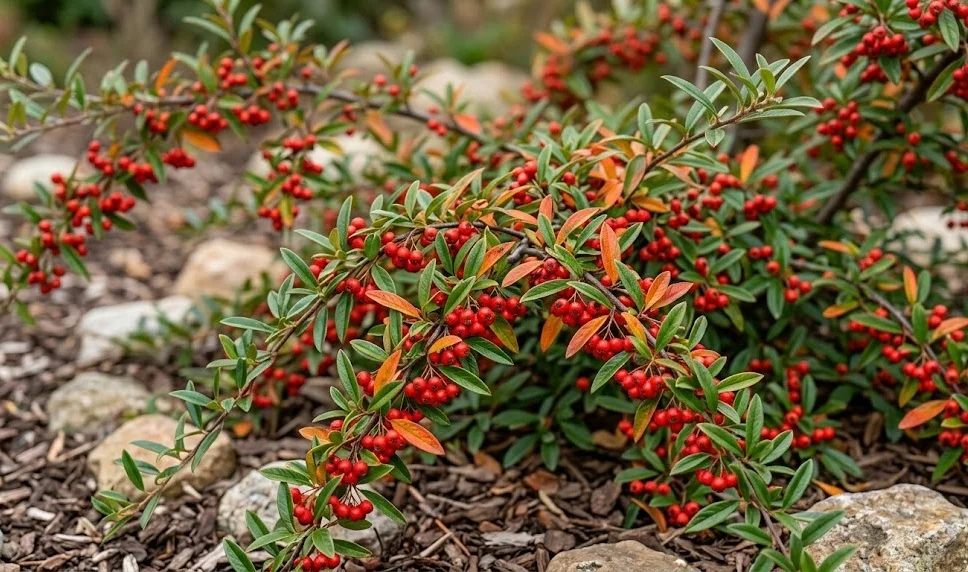

Managing the hydration and nutritional intake of willow-leaved cotoneaster is a delicate balance that changes as the plant moves from its establishment phase to full maturity. Proper watering techniques ensure that the root system remains deep and resilient, while targeted fertilization provides the chemical building blocks for lush foliage and abundant berries. Over-watering can be just as detrimental as drought, so understanding the specific needs of this species is essential for professional results. A consistent and thoughtful approach to these tasks will result in a specimen that thrives despite varying environmental conditions.
During the first year after planting, the willow-leaved cotoneaster requires regular and deep watering to help its roots penetrate into the surrounding soil. You should check the soil moisture levels frequently, especially during the dry summer months when young plants are most vulnerable. Aim to provide water at the base of the plant to keep the foliage dry, which helps prevent the development of fungal diseases. Once established, this shrub is remarkably drought-tolerant, but it will always perform better with supplemental irrigation during extended dry spells.
The frequency of watering should be dictated by the weather conditions and the soil’s ability to retain moisture. In sandy soils, water drains away quickly, requiring more frequent applications compared to heavier clay soils. You can use a simple finger test to check the moisture level a few inches below the surface before deciding to irrigate. It is better to water deeply and less frequently than to provide light daily sprinkles that only wet the surface. Deep watering encourages the roots to grow downward, making the plant more stable and self-sufficient in the long run.
Monitoring the plant’s physical appearance will give you the best clues as to when it needs a drink. Wilting leaves or a loss of glossiness in the foliage are early indicators that the water reserves are running low. However, you must be careful not to confuse drought stress with root rot caused by over-watering, as both can lead to wilting. If the soil feels soggy and the plant looks unhappy, you should allow the area to dry out completely before providing any more water. Professional irrigation systems, such as drip lines, can help automate this process and ensure consistent delivery.
Fertilization should be approached with a “less is more” philosophy to prevent excessive, weak growth that is attractive to pests. A slow-release, balanced fertilizer applied in early spring is usually sufficient to support the plant throughout the entire growing season. You should broadcast the fertilizer evenly over the root zone, extending slightly beyond the drip line of the branches. Watering the area immediately after application helps move the nutrients down into the soil where the roots can access them. Avoid applying high-nitrogen fertilizers late in the summer, as this can stimulate tender growth that will not survive the winter.
More articles on this topic
Nutrient requirements and soil analysis
Understanding the specific nutrient requirements of the willow-leaved cotoneaster allows for a more tailored fertilization program. While nitrogen is essential for leaf and stem growth, phosphorus and potassium are critical for root development and fruit production. A professional soil test can reveal which elements are lacking in your specific garden, allowing you to choose a fertilizer with the correct ratio. This data-driven approach prevents the waste of resources and protects the local environment from nutrient runoff.
Secondary nutrients and micronutrients, such as iron and magnesium, also play a vital role in the health of the shrub. A deficiency in iron often leads to yellowing between the leaf veins, a condition known as interveinal chlorosis. If your soil test indicates a high pH, these micronutrients may be present in the soil but unavailable to the plant. In such cases, applying chelated minerals or adjusting the soil acidity is more effective than simply adding more standard fertilizer.
Identifying and correcting nutrient imbalances
Nutrient imbalances can manifest in various ways, often mimicking the symptoms of diseases or environmental stress. Stunted growth and small, pale leaves may indicate a nitrogen deficiency, while purple-tinged foliage can be a sign of phosphorus issues. You should observe the plant carefully throughout the season to catch these signs early before they impact the overall vigor. Correcting an imbalance often requires a gradual approach rather than a massive single application of nutrients.
Over-fertilization can be equally problematic, leading to salt buildup in the soil which can burn the sensitive root tips. If you notice a white crust on the soil surface or brown edges on the leaves, you may have applied too much fertilizer. Leaching the soil with heavy amounts of plain water can help wash away excess salts and restore a healthier balance. It is always better to under-fertilize and add more later than to risk damaging the plant with an overdose.
More articles on this topic
Irrigation strategies for mature plants
As the willow-leaved cotoneaster matures, its irrigation needs will naturally decrease as it develops a more extensive root network. Mature specimens can often survive on natural rainfall alone, except during periods of extreme and prolonged drought. You should continue to monitor the plant during these times and provide a deep soaking once every two or three weeks. This supplemental water helps maintain the ornamental quality of the berries and prevents premature leaf drop.
Using mulch around the base of mature plants remains a key strategy for conserving soil moisture and reducing the need for irrigation. A three-inch layer of organic material acts as an insulator, keeping the soil temperature stable and slowing down evaporation. You should keep the mulch a few inches away from the main stem to prevent moisture from being trapped against the bark. This combination of deep, infrequent watering and effective mulching represents the gold standard for professional cotoneaster care.