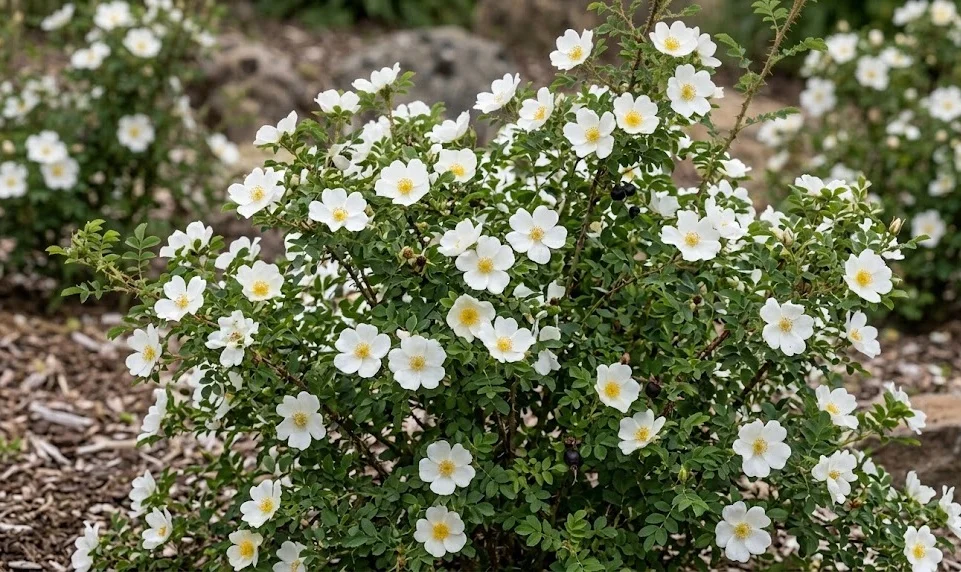

Mastering the art of pruning is essential for anyone who wishes to maintain the burnet rose in a healthy and aesthetically pleasing state. While this species is naturally rugged and can survive without much interference, strategic cutting back promotes better flowering and a more manageable shape. Pruning is not just about removing wood; it is about directing the plant’s energy and ensuring its long-term vitality. This article explores the professional techniques and timing needed to keep your shrubs at their absolute best.
Pruning schedule
The most important pruning session for the burnet rose should take place in the late winter or very early spring. At this time, the plant is still dormant, but the buds are just beginning to show signs of life. Pruning before the leaves emerge allows you to see the structure of the shrub clearly and make precise decisions. It also ensures that the plant doesn’t waste energy on branches that you are going to remove anyway.
A light cleanup can also be performed in the early summer after the main flush of flowers has faded. This is often referred to as “deadheading,” and it involves removing the spent blooms before they turn into hips. While the hips of the burnet rose are very decorative, removing some of them can encourage the plant to produce a little more growth. However, many gardeners prefer to leave the hips for their winter interest and wildlife value, which is also a valid choice.
Autumn is generally not the time for heavy pruning, as it can stimulate new growth that won’t have time to harden before winter. However, it is a good time to remove any dead, diseased, or broken wood that might have occurred during the summer. This prevents pathogens from taking hold and reduces the risk of physical damage during winter storms. A quick tidy-up in the fall makes the major spring pruning much easier to manage.
For older, neglected shrubs, a more radical approach called rejuvenation pruning might be necessary every few years. This involves cutting back a third of the oldest canes right to the ground to encourage new, vigorous shoots from the base. Spreading this process over three years allows the plant to maintain its presence in the garden while being completely renewed. This cycle of renewal is key to keeping a long-lived species like the burnet rose looking youthful.
More articles on this topic
Essential tools and techniques
Using the right tools is the first step toward a successful pruning experience and the health of your plants. High-quality bypass pruners are the best choice for most tasks, as they provide a clean, scissor-like cut. For thicker branches that are more than half an inch in diameter, a pair of loppers will provide the necessary leverage. Always ensure your tools are sharp to avoid crushing the delicate stems, which can invite disease.
Cleanliness is paramount when moving between different plants in your garden to prevent the spread of infections. Wiping your blades with a solution of isopropyl alcohol or a mild bleach solution after each shrub is a professional standard. This simple practice can stop the transmission of fungal spores or bacterial blights that are not yet visible to the naked eye. Investing time in tool maintenance pays off in the health and longevity of your entire rose collection.
When making a cut, always aim for a 45-degree angle about a quarter of an inch above an outward-facing bud. This angle allows water to run off the wound rather than pooling on top, which reduces the risk of rot. Cutting to an outward-facing bud ensures that the new growth will move away from the center of the shrub. This promotes better air circulation and keeps the interior of the plant from becoming too crowded and shaded.
Protecting yourself is just as important as protecting the plant during the pruning process. The burnet rose is famous for its numerous and very sharp prickles, which can easily penetrate standard gardening gloves. Wearing heavy-duty leather gloves and long sleeves is highly recommended to avoid scratches and skin irritation. Professional gardeners also wear eye protection when working with dense, thorny shrubs to prevent accidental injury from springy branches.
More articles on this topic
Structural thinning
The goal of structural thinning is to open up the canopy of the rose to allow more light and air into the center. Start by removing the “three Ds”: dead, damaged, and diseased wood, which should be taken out completely regardless of the time of year. After that, look for any branches that are crossing or rubbing against each other, as these can create wounds in the bark. Removing one of the competing branches will prevent future problems and improve the overall look of the plant.
Thinning out the oldest, most woody stems encourages the growth of fresh, productive wood from the crown. These older canes often have fewer flowers and can become a haven for pests like scale or mites. By selectively removing a few of these each year, you maintain a dynamic balance of growth within the shrub. A well-thinned plant looks more natural and is much easier to monitor for any health issues that might arise.
Maintaining the natural, suckering habit of the burnet rose while keeping it within its allotted space is a key management task. You can remove suckers that are growing too far from the main plant by digging down slightly and cutting them off at the source. This prevents the shrub from turning into a massive thicket that overwhelms its neighbors. Controlled spreading allows you to enjoy the plant’s wild character without losing control of your garden design.
Consider the overall height and spread of the shrub and adjust your pruning to fit your specific needs. If you are growing the burnet rose as a hedge, you might want to prune more for density and a uniform shape. For a standalone specimen, a more relaxed and open form is often preferred to highlight its delicate foliage. Strategic thinning is a powerful tool for customizing the appearance of your plants to suit your personal style.
Rejuvenating old shrubs
If you have inherited a burnet rose that has been neglected for many years, it may look like a tangled mess of dead wood. In these cases, a “hard prune” can breathe new life into the plant and restore its beauty. You can cut the entire shrub back to within six to twelve inches of the ground in the late winter. While this might seem drastic, the burnet rose is incredibly resilient and will respond with a flush of healthy new growth.
After a rejuvenation prune, the plant will need extra care in terms of watering and nutrition to support its rapid recovery. Providing a layer of high-quality compost and ensuring the soil stays moist will help the new shoots establish themselves. You will likely find that the new growth is more vigorous and produces larger leaves than the old, tired stems did. This process can transform a garden eyesore into a vibrant centerpiece in just one or two seasons.
As the new shoots emerge, you will need to select the strongest ones and thin out the rest to establish a new structure. This is the perfect time to direct the growth exactly where you want it to go. By being selective in the first year after a hard prune, you can create a perfectly shaped shrub from scratch. Rejuvenation is a testament to the incredible survival instincts and vitality of the burnet rose species.
Regular maintenance pruning after rejuvenation will prevent the plant from falling back into a state of neglect. It is much easier to spend fifteen minutes once a year on light thinning than to spend several hours every decade on a massive overhaul. Consistent, professional care results in a garden that always looks its best and plants that continue to thrive. The burnet rose will reward your pruning efforts with decades of beautiful flowers and striking autumn color.