
Caring for the Chinese beautyberry requires a balanced approach to ensure the shrub thrives and produces its signature iridescent fruit. Gardeners must pay close attention to the specific environmental needs of this ornamental plant throughout the changing seasons. Success begins with understanding the fundamental biology of the species and its reaction to local soil conditions. By implementing a consistent maintenance schedule, you can enjoy the spectacular autumn display that makes this plant a favorite in modern landscapes.
The general health of the shrub is largely determined by its placement within the garden ecosystem. You should observe how the plant reacts to the microclimate of your specific plot during the first growing season. Factors such as wind exposure and soil drainage play a pivotal role in the plant’s ability to establish a strong root system. A well-placed specimen will show vigorous leaf growth and a sturdy structure within a few years of being introduced to its new home.
Monitoring the foliage is the most effective way to gauge whether your care routine is meeting the plant’s requirements. Healthy leaves should maintain a vibrant green color throughout the summer before transitioning to their autumnal hues. If you notice any yellowing or premature leaf drop, it is often a sign of underlying stress related to moisture or nutrient availability. Addressing these issues early prevents the plant from becoming susceptible to secondary infections or environmental damage.
Long-term care involves a commitment to observing the plant’s natural cycles and intervening only when necessary. This deciduous shrub is relatively hardy, but it benefits from a watchful eye during extreme weather events. Providing a stable environment allows the plant to focus its energy on the production of the berries that define its aesthetic value. Consistent care practices result in a resilient specimen that can grace a garden for many decades.
Soil management and quality
The foundation of a healthy beautyberry lies in the quality and composition of the soil in which it is anchored. This species prefers a soil profile that is rich in organic matter and capable of retaining some moisture without becoming waterlogged. You should aim for a slightly acidic to neutral pH level to optimize nutrient uptake through the root hairs. Testing the soil before the growing season begins can provide valuable insights into any necessary amendments.
More articles on this topic
Improving the soil structure is a continuous process that yields significant benefits for the plant’s vitality. Incorporating well-rotted compost or leaf mold into the surrounding area helps to maintain a loose, friable texture. This allows the roots to expand easily and facilitates the movement of air and water through the soil horizons. Overly compacted earth can stifle root growth and lead to poor overall performance during the peak summer months.
Mulching is an essential practice that serves multiple purposes in the care of this ornamental shrub. A thick layer of organic mulch helps to suppress weed competition while regulating soil temperature and moisture levels. As the mulch decomposes, it gradually adds nutrients back into the ground, creating a self-sustaining cycle of fertility. You should ensure the mulch is not touching the main stems to prevent potential rot issues at the base.
Drainage remains one of the most critical factors when managing the soil for this particular variety. While the plant enjoys consistent hydration, it cannot tolerate “wet feet” for extended periods during the dormant or active phases. If your garden has heavy clay soil, consider planting on a slight mound or incorporating grit to improve aeration. Proper drainage ensures that the roots remain oxygenated and healthy, supporting the plant’s overall structural integrity.
Seasonal maintenance routines
Spring is a period of rapid transition and renewed energy for the Chinese beautyberry as it breaks dormancy. You should begin the season by clearing away any debris or fallen leaves from the previous year that might harbor pathogens. This is also the ideal time to apply a slow-release fertilizer to support the upcoming flush of new growth. Observing the first buds will give you a clear indication of the plant’s health after the winter months.
More articles on this topic
During the summer, the focus shifts toward maintaining hydration and monitoring for potential heat stress. The shrub requires regular attention during dry spells to ensure the developing berries do not shrivel or drop prematurely. You may need to adjust your care routine based on the intensity of the sun and the local humidity levels. Providing some afternoon shade in extremely hot climates can help protect the delicate foliage from scorching.
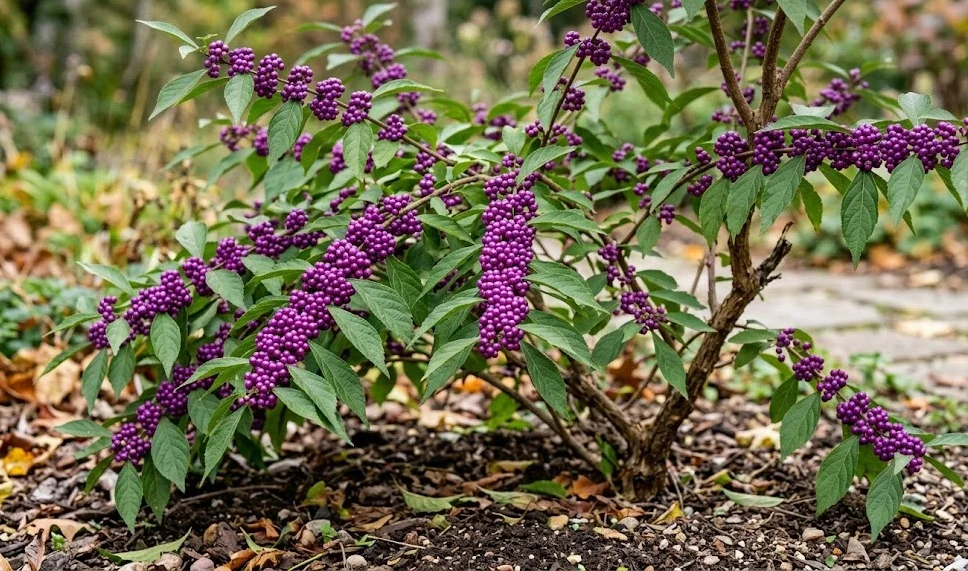
Autumn is the season when the beautyberry truly shines, as the clusters of purple fruit reach their peak intensity. Your primary task during this time is to enjoy the display while keeping an eye on the transition to dormancy. It is important to avoid heavy pruning or late-season fertilization, as this could stimulate new growth that won’t survive the frost. The plant naturally begins to slow down its metabolic processes as the days grow shorter and temperatures drop.
Winter care is primarily about protection and preparation for the following year’s growth cycle. In colder regions, a fresh layer of mulch can provide insulation for the root zone against deep freezes. While the plant is dormant, you can take the opportunity to assess its overall shape and plan for any structural pruning. Minimal intervention is required during this phase, allowing the shrub to rest and conserve its energy for the spring.
Optimizing berry production
The primary reason many gardeners choose this shrub is the stunning display of metallic purple berries in the fall. To maximize this production, you must ensure the plant receives adequate sunlight and balanced nutrition throughout the year. While the berries are not edible for humans, they provide a vital food source for local bird populations. A healthy plant will produce tight clusters of fruit along the stems, creating a dramatic visual impact.
Pollination is a key factor that influences the abundance of the berry crop each year. Although many varieties are self-fertile, having more than one specimen can often lead to better fruit set through cross-pollination. You should encourage pollinators such as bees and butterflies to visit your garden by planting companion species nearby. A diverse ecosystem supports the natural reproductive cycles of the beautyberry, leading to a more impressive autumn show.
Water consistency during the flowering period is crucial for the successful development of the fruit. If the plant experiences significant drought stress while the small flowers are blooming, it may drop its blossoms prematurely. This results in a sparse berry crop that lacks the density and vibrance expected from a well-cared-for specimen. Keeping the soil evenly moist during the early summer months is the best way to guarantee a bounty of berries.
The age of the wood also plays a role in how many berries the plant is capable of producing. Chinese beautyberry typically fruits most heavily on new growth that has developed during the current season. This means that your pruning strategy directly impacts the following year’s visual display in the garden. By encouraging the growth of vigorous new shoots, you ensure that the plant remains productive and aesthetically pleasing year after year.
Environmental adaptations
This species is remarkably adaptable to various garden settings, but it performs best when its natural preferences are respected. It can tolerate a range of light conditions, from full sun to partial shade, though the fruit production is usually better in brighter spots. You should consider the specific geography of your garden when deciding where to place the shrub for optimal growth. Protecting it from harsh, drying winds can prevent physical damage to the branches and foliage.
Temperature fluctuations can sometimes challenge the resilience of the beautyberry, especially during unseasonable weather patterns. While it is generally hardy in temperate zones, extreme cold or sudden late frosts can damage emerging tissues. You might notice some tip die-back after a particularly harsh winter, but the plant usually recovers quickly once the weather warms. Monitoring local weather forecasts allows you to take proactive measures, such as covering the plant during cold snaps.
Urban environments present unique challenges, such as air pollution and limited space for root expansion. Fortunately, this shrub is relatively tolerant of urban conditions and can thrive in city gardens if given proper care. You should ensure that the soil is refreshed periodically and that the plant is not crowded by surrounding structures. Regular cleaning of the leaves can help the plant photosynthesize more efficiently in dusty or polluted areas.
Understanding the native habitat of the species provides clues into how it handles different environmental stresses. Originally from East Asia, it is accustomed to humid summers and distinct seasonal changes that define its growth cycle. By mimicking these conditions as closely as possible, you create a stress-free environment for the plant to flourish. Resilience is built over time through consistent care and a deep understanding of the plant’s biological needs.
Long-term structural health
As the beautyberry matures, maintaining its structural integrity becomes a priority for the discerning gardener. A well-maintained shrub should have a balanced form that allows light and air to reach the inner branches. You should regularly inspect the plant for any crossing or rubbing limbs that could create entry points for disease. Over time, the base of the plant may become woody, necessitating a rejuvenation strategy to keep it looking fresh.
The root system is the silent engine that drives the growth and stability of the entire shrub. You should avoid digging too close to the base of the plant to prevent damaging the sensitive feeder roots. Ensuring that the soil remains uncompacted in the root zone allows for efficient nutrient and water absorption. A strong, expansive root system is the best defense against environmental stressors like drought or heavy winds.
Vigor can sometimes decline as the plant reaches an advanced age, but this can often be reversed with proper care. Applying a balanced organic fertilizer and ensuring consistent moisture can breathe new life into an older specimen. You should also look for signs of new shoots emerging from the base, as these are the future of the plant. Encouraging this renewal process ensures that the beautyberry remains a central feature of your garden for many years.
Intervention should always be purposeful and based on the specific needs of the individual plant. No two specimens will grow in exactly the same way, as they are influenced by their unique placement and care history. You should develop a personal connection with your plants, learning to recognize the subtle signs of health or distress. This attentive approach to gardening results in a more rewarding experience and a more beautiful landscape overall.
Aesthetic integration in the garden
Integrating the Chinese beautyberry into your landscape design requires a thoughtful consideration of its seasonal changes. Its understated summer appearance makes it an excellent backdrop for more colorful flowering perennials during the warmer months. However, once the leaves drop and the purple berries are revealed, it should take center stage in the garden. You can pair it with evergreens to provide a contrast that highlights the vivid color of the fruit.
Space management is important to ensure the shrub does not overwhelm its neighbors or become lost in the crowd. Given its arching growth habit, it needs enough room to spread its branches without being restricted by walls or other plants. You should plan for its eventual size at maturity when selecting a planting site to avoid the need for frequent, heavy pruning. A well-spaced plant will develop a more graceful and natural silhouette over time.
The visual impact of the berries can be enhanced by the way they catch the low autumn sunlight. Planting the shrub in a spot where it receives backlighting during the late afternoon can make the fruit appear to glow. This dramatic effect adds a layer of depth and interest to the garden during a season when many other plants are fading. Careful placement turns a simple shrub into a living work of art that captures the essence of the season.
Finally, consider the wildlife value of the beautyberry as part of its aesthetic and functional role in the garden. Watching birds congregate around the purple clusters adds movement and life to the autumn landscape in a unique way. This interaction between flora and fauna creates a dynamic garden environment that is both beautiful and ecologically sound. By caring for this plant, you are contributing to a vibrant and healthy local ecosystem that benefits everyone.