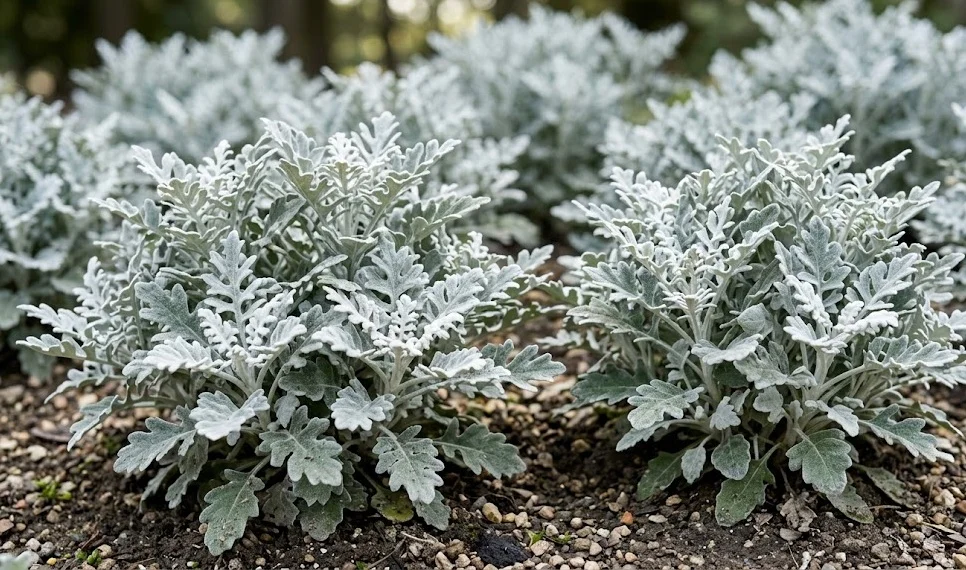

The dramatic silvery-white appearance of silver ragwort is not just an aesthetic feature; it is a direct consequence of the plant’s relationship with light. To achieve its most vibrant color and maintain its characteristic compact growth habit, this species requires a specific level of solar exposure that mimics its sunny Mediterranean home. Understanding how light interacts with the physiology of the plant will help you choose the perfect spot in your garden and ensure your specimen remains a focal point of beauty. Lighting is arguably the most critical factor in determining whether your silver ragwort will thrive or simply survive.
In the world of gardening, silver ragwort is classified as a full-sun plant, meaning it needs at least six to eight hours of direct sunlight every day. This intense exposure is necessary for the production of the fine, reflective hairs that cover the leaves and give them their metallic sheen. Without enough light, the plant will start to produce more chlorophyll and fewer of these silver hairs, resulting in foliage that looks more green and less “silver.” If you want that iconic, almost white appearance, you must place your plant in the brightest possible location in your garden.
Sunlight also plays a vital role in keeping the plant’s structure tight and architectural, which is one of its primary appeals in landscape design. When grown in insufficient light, silver ragwort has a tendency to become “leggy,” stretching its stems upward in a desperate attempt to find more solar energy. This results in a weak, floppy plant that loses its tidy, rounded shape and often reveals the bare, woody stems at its center. Providing plenty of light ensures that the plant remains dense and low to the ground, creating a much more effective and attractive groundcover or border element.
While it is a sun-lover, the quality of light also matters, particularly in regions where the summer sun can be exceptionally harsh and desiccating. In very hot climates, a bit of light afternoon shade can actually be beneficial, as it protects the plant from the most extreme heat while still providing enough total energy for healthy growth. However, this shade should be dappled or temporary, such as the light cast by a high-canopy tree, rather than the deep, constant shade of a building or a dense hedge. Finding this balance is key to keeping the plant vibrant and healthy during the peak of the growing season.
Managing light in different garden orientations
The orientation of your garden beds will dictate the type and duration of light your silver ragwort receives throughout the day. South-facing locations are generally the most desirable, as they receive the most consistent and intense sunlight from morning until evening. This is the ideal spot for silver ragwort, where it can soak up the energy it needs to produce that stunning silver texture that everyone admires. In a south-facing bed, you will find that the plant grows quickly and maintains its color with very little extra effort from you.
More articles on this topic
West-facing areas are also excellent, although they tend to be much hotter as they catch the intense afternoon and evening sun. If you are planting in a west-facing spot, you should be especially vigilant about moisture levels, as the combination of heat and light can dry out the soil very rapidly. Silver ragwort is well-equipped to handle this, but young or newly transplanted specimens may need a little extra attention until they are fully established. The brilliant light of a late summer afternoon can make the silver foliage practically glow, creating a stunning visual effect in your garden.
East-facing gardens receive bright morning sun but are typically in shade for the rest of the day, which can be a challenging environment for silver ragwort. While it may grow in these conditions, it is likely to be less silver and more prone to stretching than a plant in a sunnier location. If you must plant in an east-facing spot, try to place the silver ragwort as far away from any structures or taller plants as possible to maximize its exposure. You might also consider using reflective surfaces, like light-colored walls or stones, to bounce extra light back onto the foliage.
North-facing locations are generally not recommended for silver ragwort, as they remain in shadow for most of the day and never receive direct sunlight. In these conditions, the plant will struggle to maintain its health and will almost certainly lose its characteristic silver color entirely. It will become sparse, green, and much more susceptible to the fungal diseases that thrive in cool, damp, shaded areas. If your garden is predominantly north-facing, it is better to choose a different species that is naturally adapted to low-light environments and will look much better in that space.
Adjusting to seasonal light changes
As the earth moves through its annual cycle, the angle and intensity of the sun change significantly, which affects the light patterns in your garden. You should observe how the shadows move across your landscape during different times of the year to ensure your silver ragwort isn’t suddenly left in the dark. A spot that is in full sun during the summer may be completely shaded by a nearby building or an evergreen tree during the winter months. While the plant is dormant and needs less energy in the winter, it still appreciates a bit of light to maintain its structural integrity.
More articles on this topic
In the spring, as the sun rises higher in the sky and the days become longer, the silver ragwort will begin to respond with a burst of new growth. This is a critical time for light exposure, as the new leaves need plenty of energy to develop the thick layer of silver hairs that will protect them during the summer. Ensuring that there are no overhanging branches or tall weeds blocking the light during this phase will help the plant start the season on the right foot. A strong start in the spring leads to a more resilient and beautiful plant for the rest of the year.
During the height of summer, the intensity of the light can be a challenge even for sun-loving plants if it is accompanied by extreme heat and drought. You should watch for signs of “sun scorch,” which can sometimes appear as brown, crispy edges on the leaves if the plant is under severe moisture stress. While the silver hairs are designed to reflect light, they can only do so much if the plant’s internal water levels are dangerously low. Maintaining a proper watering routine will help the plant handle even the most intense solar radiation without suffering any permanent damage.
Finally, as autumn approaches and the light begins to soften, you may notice that the silver ragwort’s color becomes even more pronounced and beautiful. The lower angle of the sun catches the metallic texture of the leaves in a unique way, making the plant stand out against the changing colors of the rest of the garden. This is often the time when gardeners appreciate the silver ragwort most, as its steady, shimmering presence provides a sense of calm and stability. Enjoy these changing light patterns and the way they transform your garden into a dynamic and ever-evolving work of art.