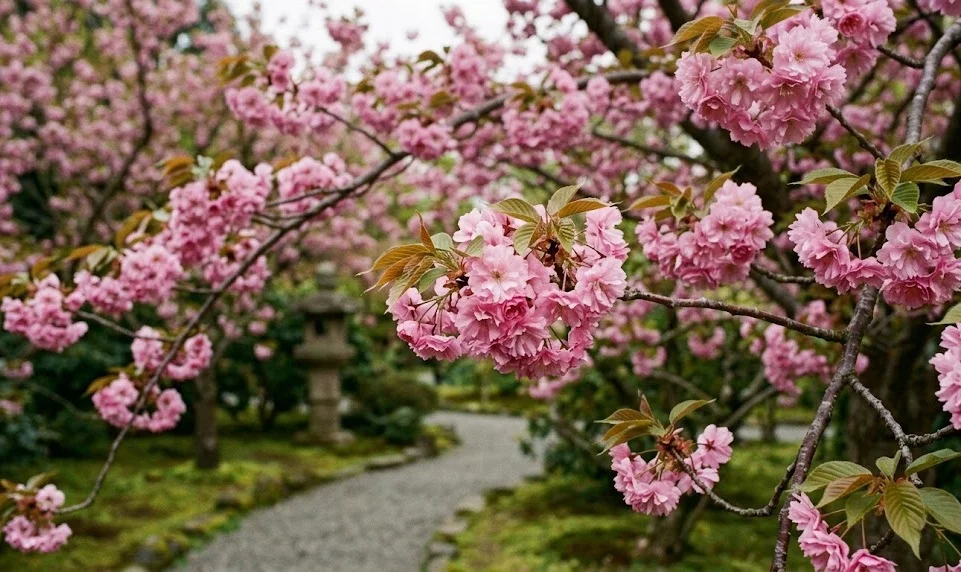

Pruning a Japanese flowering cherry is a sophisticated horticultural task that combines the principles of plant physiology with an artistic vision for the tree’s form. Unlike some fruit-bearing trees that require heavy annual cutting, ornamental cherries thrive best with a more conservative and targeted approach. The primary goals are to maintain a strong structural framework, encourage healthy blooming wood, and remove any potential hazards or diseased tissues. This final article outlines the professional techniques used to shape and maintain these iconic trees through expert pruning practices.
Timing and tools for professional pruning
The timing of pruning is perhaps the most debated aspect of caring for the Japanese flowering cherry, with different schools of thought among experts. The most widely accepted professional practice is to prune in mid-summer, immediately after the spring blossoms have faded. Pruning at this time allows the tree to begin healing the wounds while it is still actively growing, and it minimizes the risk of introducing diseases like bacterial canker. It also ensures that you do not accidentally remove the flower buds that will be formed later in the summer for the following year’s display.
Another option is to prune during the late winter dormancy, which provides a clear view of the tree’s branching structure without the obstruction of leaves. This timing is often preferred for major structural changes or for removing large, dead limbs that could be hazardous during winter storms. However, winter pruning can sometimes stimulate a flush of vigorous “water sprouts” or suckers in the spring, which can clutter the tree’s natural form. Regardless of the season, you should avoid pruning in the damp, cool days of autumn, as this is when many fungal and bacterial pathogens are most active.
Using the right tools is essential for making clean, professional cuts that heal quickly and do not invite infection. For small twigs and branches up to an inch in diameter, high-quality bypass pruners are the preferred tool as they provide a clean, scissor-like cut. For larger branches, a specialized pruning saw with a sharp, fine-toothed blade is necessary to ensure the wood does not tear or splinter. You must always keep your tools sharp and sterile, disinfecting them with a solution of 70% alcohol between every tree to prevent the accidental spread of disease.
Before you make the first cut, you should have a clear plan for what you want to achieve with the pruning session. A professional gardener never cuts without a specific purpose, whether it is for health, structure, or aesthetics. Take a few minutes to walk around the tree and identify the “three Ds”: dead, damaged, and diseased wood. These should always be your first priority for removal, as they serve no purpose for the tree and can often be a source of future problems.
More articles on this topic
Structural pruning for young trees
Pruning in the early years of a Japanese flowering cherry’s life is focused on establishing a strong, balanced, and aesthetically pleasing framework. You should aim to identify a single, dominant central leader unless you are growing a specific multi-stemmed variety. Any competing leaders should be removed or shortened to ensure the tree develops a strong upright trunk that can support the weight of a mature canopy. This early intervention prevents the formation of weak “included bark” in the crotches of the branches, which can lead to structural failure later in life.
Choosing the main scaffold branches is the next step in shaping a young tree’s future form. You should look for branches that have wide attachment angles, ideally between 45 and 60 degrees from the main trunk. These wide angles are much stronger than narrow, V-shaped attachments, which are prone to splitting under the weight of snow or high winds. Aim to space these scaffold branches evenly around the trunk and at different heights to create a balanced, three-dimensional canopy that allows light and air to reach the interior.
You should also remove any branches that are growing inward toward the center of the tree or those that are crossing and rubbing against each other. Crossing branches can damage the bark through friction, creating open wounds that are perfect entry points for pests and diseases. By thinning out the interior of the tree while it is young, you encourage a more open and airy structure that is much healthier for the foliage. This proactive approach reduces the need for more drastic and stressful pruning as the tree reaches its full size.
Finally, be sure to remove any “suckers” that emerge from the base of the tree or “water sprouts” that grow vertically from the main branches. These shoots grow very rapidly but have weak wood and do not contribute to the ornamental beauty or structural integrity of the tree. They often originate from the rootstock below a graft union, and if left unmanaged, they can eventually take over the entire tree. Regular removal of these unwanted growths is a simple but vital part of professional maintenance for any young ornamental cherry.
More articles on this topic
Maintenance pruning for mature specimens
As a Japanese flowering cherry reaches maturity, the focus of pruning shifts from shaping the structure to maintaining health and managing the tree’s size. For a healthy, well-established tree, pruning should be kept to a minimum, focusing mainly on the removal of dead or broken wood. Each cut you make is a wound that the tree must use energy to seal, so a “less is more” philosophy is often the most professional approach. A mature tree that has been well-cared-for in its youth will naturally maintain a beautiful and balanced form with very little intervention.
One technique used on mature trees is “crown thinning,” which involves the selective removal of small, live branches to increase light penetration and air movement. This is particularly useful for trees that have become very dense, as it reduces the risk of fungal diseases on the inner leaves and encourages better blooming throughout the canopy. When thinning, you should never remove more than 10-15% of the total foliage in a single year. Removing too much at once can shock the tree and lead to a decline in its overall vigor and health.
If a branch has grown too long and is interfering with a walkway or a building, you can use “heading back” cuts to redirect its growth. This involves cutting the branch back to a healthy lateral bud or a side branch that is growing in a more desirable direction. You should always make your cuts just outside the “branch collar,” which is the slightly swollen area where the branch meets the trunk or a larger limb. Cutting into the collar or leaving a long stub both prevent the tree from properly sealing the wound, leading to decay and structural issues.
Finally, consider the natural weeping or spreading habit of your specific variety and try to work with it rather than against it. Trying to force a wide-spreading cherry into a narrow, upright shape through heavy pruning is a losing battle that will only result in a stressed and unattractive tree. Professional arboriculture is about respecting the genetic blueprint of the plant and providing the gentle guidance it needs to be the best version of itself. By pruning with patience and a deep understanding of the tree’s biology, you ensure that your Japanese flowering cherry remains a majestic presence in the landscape for many years to come.