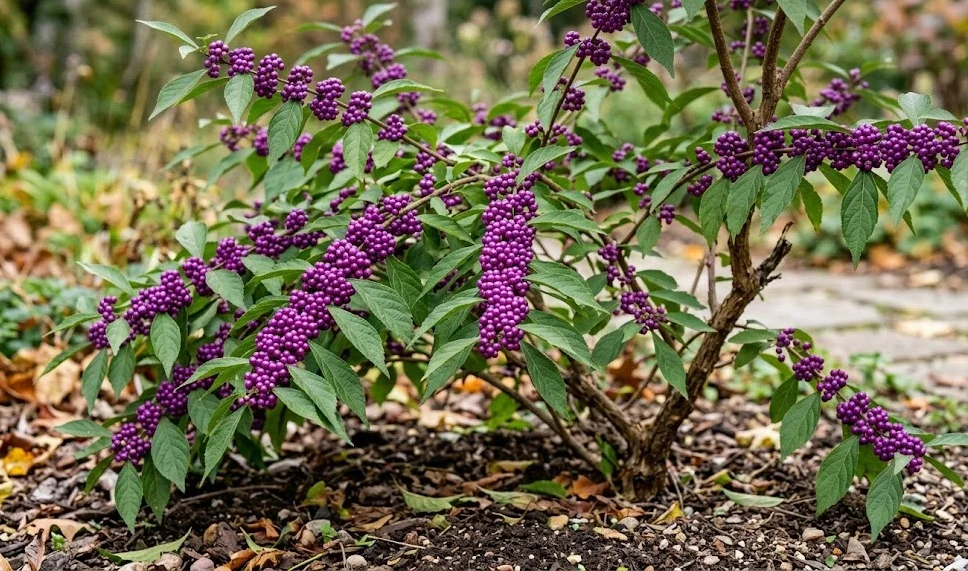

The Chinese beautyberry is a versatile shrub that can adapt to a variety of light conditions, but its aesthetic performance is closely tied to the amount of sun it receives. Understanding how light influences growth, flowering, and fruit production is essential for placing the plant in the optimal location within your garden. While it is often described as a plant for full sun, its needs can shift depending on the local climate and the specific goals of the gardener. A professional analysis of light requirements ensures that your beautyberry not only survives but becomes a stunning focal point of the landscape.
Light is the primary energy source for all plants, driving the process of photosynthesis that allows them to grow and produce fruit. For the beautyberry, the intensity and duration of sunlight directly impact the number of flowers that form in the early summer. More flowers lead to the dense clusters of purple berries that are the hallmark of this species in the autumn months. If the plant is grown in too much shade, it may become leggy and produce a disappointing crop of fruit.
Conversely, in extremely hot or arid climates, the intense afternoon sun can sometimes be too much for the delicate foliage of the shrub. You may notice signs of leaf scorch or a general wilting of the plant during the hottest part of the day if it is not properly acclimated. In these situations, providing some filtered light or afternoon shade can actually improve the plant’s overall health and appearance. Finding the “sweet spot” for your specific geographical location is a key part of expert garden management.
The direction of the light and the presence of nearby structures or trees will also influence the shrub’s development over time. A plant that receives light from only one side may grow unevenly, leaning toward the sun to maximize its energy intake. You should consider the year-round light patterns of your garden, as the angle of the sun changes significantly between summer and winter. Professional site selection takes all these variables into account to ensure the long-term success of the beautyberry.
Full sun for maximum berries
In most temperate regions, the Chinese beautyberry performs best when planted in a location that receives full sun for at least six to eight hours a day. This high level of light exposure encourages a compact, bushy growth habit and strengthens the stems. The extra energy from the sun allows the plant to produce a massive amount of the pigments that give the berries their unique purple color. For the most dramatic autumn display, a sunny spot is almost always the preferred choice for this particular shrub.
More articles on this topic
Full sun also helps to keep the foliage dry, which is a natural defense against many common fungal diseases like powdery mildew. The increased air movement and faster evaporation of morning dew in a sunny location create a less hospitable environment for pathogens. This means that a plant in the sun is often healthier and requires less maintenance than one hidden away in a damp, shady corner. Sunlight is a natural sanitizer that supports the overall vigor and resilience of the beautyberry.
When planting in full sun, you must be more diligent about monitoring soil moisture levels, especially during the peak of summer. The higher transpiration rates in a sunny location mean the plant will use water more quickly than it would in the shade. Applying a thick layer of mulch can help to regulate soil temperature and keep the roots cool while the top of the plant enjoys the sun. This combination of bright light and consistent moisture is the secret to a prize-winning beautyberry specimen.
If you find that your plant is not producing as many berries as you expected, it may be a sign that it is not receiving enough direct light. You might consider pruning back overhanging tree branches or moving the shrub to a brighter part of the garden. Even a small increase in daily sunlight can make a significant difference in the density and vibrance of the autumn fruit. Professional gardeners often use light as a tool to “fine-tune” the performance of their ornamental shrubs.
Adapting to partial shade
While the beautyberry loves the sun, it is remarkably tolerant of partial shade, particularly in gardens where full sun is not an option. In these settings, the plant may grow a bit taller and have a more open, arching form as it reaches for the available light. This more naturalistic look can be very attractive in a woodland garden or a semi-shaded border where a softer silhouette is desired. You should aim for a spot that receives morning sun and dappled shade in the afternoon for the best results in these conditions.
More articles on this topic
The color of the foliage may also vary slightly depending on the light levels, with shade-grown plants often having a deeper, darker green hue. However, the trade-off for this lush foliage is usually a reduction in the number of berries produced in the fall. While the plant will still fruit in partial shade, the clusters may be smaller and less intensely colored than those grown in full sun. This can be a conscious design choice if you prefer a more subtle and understated look for your garden.
In very hot southern climates, partial shade is often a necessity rather than a choice to prevent the plant from suffering in the summer heat. The intense ultraviolet rays of the afternoon sun can damage the leaves and cause the developing berries to shrivel. Providing a break from the direct sun between the hours of 2 PM and 5 PM can keep the plant looking fresh and vibrant all season long. Expert care involves balancing the plant’s need for energy with its need for protection from environmental extremes.
When growing in partial shade, it is even more important to ensure that the plant has excellent air circulation to prevent fungal issues. Avoid crowding the beautyberry with other shade-loving plants that might trap humidity around the foliage. You should also be careful not to over-water, as the soil in shady areas tends to stay damp for much longer than in sunny spots. Managing these nuances allows the beautyberry to thrive in a wider range of garden environments.
The impact of seasonal light changes
The availability of light in your garden is not a constant, but a dynamic factor that shifts with the changing seasons. In the early spring, before the leaves of deciduous trees have fully emerged, the beautyberry may receive more light than it does in mid-summer. This early boost of energy is important for triggering the growth of new stems and the formation of the season’s flower buds. Understanding these seasonal rhythms helps you plan your garden tasks and anticipate the plant’s needs throughout the year.
As the tree canopy fills in during the summer, the amount of light reaching the lower levels of the garden can decrease significantly. You should monitor how this affects your beautyberry and be prepared to make adjustments if the shade becomes too deep. In some cases, a light thinning of the surrounding trees can let in enough dappled light to keep the shrub productive. Professional landscape management is an ongoing process of observing and reacting to these natural shifts in the environment.
In the autumn, the angle of the sun drops lower in the sky, creating longer shadows and a different quality of light. This is the time when the beautyberry’s berries are reaching maturity and their color is most influenced by the available light. Backlighting from the low autumn sun can make the purple berries appear to glow, creating a stunning visual effect in the late afternoon. Placing the shrub where it can catch this specific type of light adds a professional touch to your garden design.
Winter light is the least intense, but it still plays a role in the plant’s dormancy and its ability to withstand the cold. A plant in a sunny winter location may experience more significant temperature fluctuations, which can sometimes be more stressful than a consistently cold, shady spot. You should consider the winter sun exposure when choosing a site, especially in regions with very cold nights and bright, sunny days. A balanced approach to light management ensures the beautyberry remains healthy and beautiful through every season.
Choosing the perfect site
Selecting the right location for your Chinese beautyberry is a decision that will impact the plant for its entire life. You should spend some time observing the light patterns in your garden at different times of the day before you start digging. Look for a spot that offers the best compromise between the plant’s need for energy and its protection from local weather extremes. A well-chosen site reduces the need for maintenance and ensures the plant will thrive with minimal intervention.
Consider the role you want the beautyberry to play in your landscape and how the light will affect its appearance. If you want a bold, dramatic splash of purple in the autumn, prioritize a full sun location with good visibility. If you are looking for a graceful, arching shrub to fill a semi-shaded corner, a spot with dappled light will work perfectly. The flexibility of this species makes it an excellent choice for many different types of garden styles and light conditions.
Don’t forget to think about the light requirements of the plants that will be growing near your beautyberry. Grouping plants with similar light and water needs together makes garden maintenance much easier and more efficient. For example, pairing the beautyberry with other sun-loving perennials or shrubs creates a cohesive and healthy planting bed. This professional approach to garden design ensures that every plant in your collection has the best possible chance to shine.
Finally, remember that gardening is an ongoing experiment and that you can always make changes as you learn more about your specific plot. If a plant isn’t performing well in one spot, don’t be afraid to move it to a different location with more or less light. The Chinese beautyberry is quite resilient and can usually handle being transplanted if it’s done with care. Trust your observations and your growing expertise to create a garden that is perfectly tuned to the light of your unique environment.