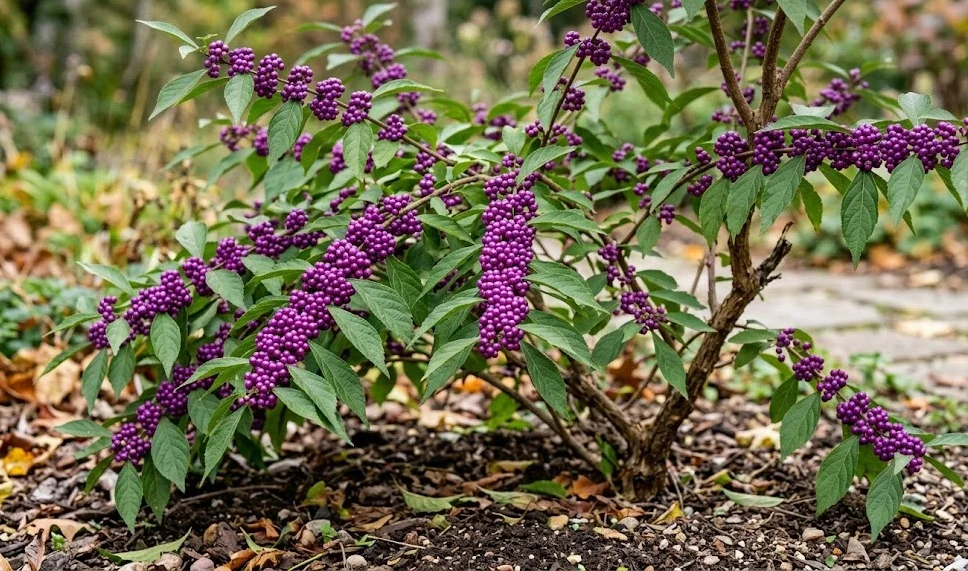

Successful establishment of the Chinese beautyberry begins with a strategic approach to the planting process and an understanding of its reproductive potential. This shrub is highly valued for its unique ornamental features, but its long-term performance is rooted in the first few weeks after it is placed in the ground. Choosing the right time of year and the correct site will determine how quickly the plant integrates into your existing landscape. Professional techniques for both planting and propagation can ensure that you have a healthy stock of these vibrant shrubs for years to come.
The ideal window for planting is usually during the dormant season, specifically in late autumn or early spring before the buds begin to swell. Planting during these cooler periods allows the root system to settle without the stress of high temperatures or excessive transpiration. You should prepare the site well in advance by clearing weeds and ensuring the soil is workable and not frozen. A well-timed planting gives the shrub a significant head start for the upcoming growing season.
When selecting a specimen from a nursery, look for a plant with a balanced structure and healthy-looking stems. Avoid plants that appear root-bound or show signs of significant pest damage or disease on the foliage. The quality of the initial plant material is a critical factor in the ultimate success of your gardening project. Transport the shrub carefully to its new location to prevent any physical damage to the branches or the delicate root ball.
Preparation of the planting hole is a task that should not be rushed if you want the best results. The hole should be twice as wide as the root ball but no deeper than the container the plant came in. This allows the roots to spread horizontally into loosened soil, which is essential for stability and nutrient absorption. Taking the time to prepare the site correctly is an investment in the future health and vigor of your beautyberry.
Planting techniques for success
Once the hole is prepared, carefully remove the shrub from its container and check the roots for any circling growth. You should gently tease out any roots that have begun to grow in a circular pattern to encourage them to move outward into the new soil. Place the plant in the center of the hole, ensuring that the top of the root ball is level with the surrounding ground. Planting too deep can lead to stem rot, while planting too shallow can cause the roots to dry out.
More articles on this topic
Fill the space around the root ball with a mixture of native soil and high-quality organic matter to provide a nutrient-rich environment. You should firm the soil gently with your hands as you go to eliminate any large air pockets that could trap moisture or cause the plant to shift. Avoid packing the earth too tightly, as this can impede the movement of water and oxygen to the roots. A balanced approach to backfilling creates the perfect conditions for quick establishment.
Immediately after planting, the shrub requires a deep and thorough watering to settle the soil around the roots. This initial hydration is critical for reducing transplant shock and ensuring the plant has immediate access to moisture. You should continue to monitor the soil moisture levels daily for the first few weeks, especially if the weather is dry or windy. A consistent water supply is the most important factor in the successful transition of the plant to its new home.
Applying a layer of mulch around the base of the plant is the final step in the professional planting process. Use wood chips, bark, or compost to create a barrier that holds moisture in the soil and regulates temperature. Be careful to keep the mulch a few inches away from the trunk to maintain proper airflow and prevent fungal issues. This protective layer will also help to prevent weed growth, which can compete with the young shrub for essential resources.
Softwood and hardwood cuttings
Propagating the beautyberry from cuttings is an effective and rewarding way to expand your collection of these striking shrubs. Softwood cuttings are typically taken in late spring or early summer when the new growth is still flexible but starting to mature. You should select healthy, vigorous shoots and cut them into sections about four to six inches long. Removing the lower leaves and dipping the cut end in rooting hormone can significantly increase the success rate of this method.
More articles on this topic
Hardwood cuttings offer another reliable way to propagate the plant during the dormant winter months. These cuttings are taken from mature wood that has fully hardened after the leaves have fallen in the autumn. You should choose straight, healthy stems and cut them into segments that include several nodes for potential root and shoot development. This method requires more patience than softwood cuttings, as the rooting process occurs more slowly during the cold season.
The medium used for rooting the cuttings should be well-draining and sterile to prevent any issues with rot or pathogens. A mixture of perlite and peat moss or a dedicated seed-starting mix usually provides the ideal balance of aeration and moisture retention. You should keep the cuttings in a bright, indirect light location and maintain a humid environment to prevent them from drying out. Using a propagation dome or a simple plastic bag can help to trap the necessary moisture around the developing plants.
Once the cuttings have developed a strong set of roots, they can be transitioned to individual pots with standard potting soil. You should continue to provide them with careful attention and protection from extreme conditions until they are large enough to be planted out. This nursery phase is important for building the strength and resilience needed for survival in the open garden. Growing your own plants from cuttings allows you to maintain the specific characteristics of your favorite specimens.
Growing from seeds
Raising Chinese beautyberry from seeds is a fascinating process that allows you to observe the entire lifecycle of the plant. The seeds are contained within the purple berries and should be harvested once the fruit is fully ripe in the late autumn. You will need to remove the fleshy pulp from the seeds before they can be stored or planted. This can be done by mashing the berries in a sieve and rinsing the seeds under cool, running water.
Cold stratification is often necessary to mimic the natural winter conditions that trigger germination in the spring. You can achieve this by placing the cleaned seeds in a damp paper towel inside a sealed bag and storing them in the refrigerator for several weeks. This process breaks the seed’s dormancy and prepares it for active growth once it is moved to a warmer environment. Without this cold period, the germination rate may be significantly lower and more erratic.
Sow the stratified seeds in a shallow tray filled with a high-quality seed-starting mix and cover them lightly with soil. You should keep the tray in a warm, bright location and ensure the soil remains consistently moist but not saturated. Germination can take several weeks, so patience is required as you wait for the first green shoots to appear. Once the seedlings have developed their first true leaves, they are ready to be thinned or transplanted into larger containers.
Seedlings should be grown in a protected environment for their first year to ensure they develop a sturdy root system and stem. You should gradually acclimate them to outdoor conditions through a process called hardening off before planting them in their permanent locations. Growing from seed can result in slight variations between plants, adding a unique touch to your garden collection. This method is an excellent way to produce a large number of plants for a hedge or mass planting project.
Division and layering methods
While less common than cuttings or seeds, division can be used for older, multi-stemmed beautyberry shrubs that have become very large. This process involves digging up a portion of the root mass and carefully separating it into smaller sections, each with its own stems and roots. This is best done in the early spring before the plant has fully emerged from dormancy to minimize stress. Division provides an immediate, large plant that can be established quickly in a new part of the garden.
Layering is a simple and effective propagation technique that takes advantage of the plant’s natural tendency to root when a branch touches the ground. You can encourage this by pinning a low-growing, flexible branch to the soil and covering a section of it with earth. Wounding the underside of the stem slightly where it contacts the soil can speed up the formation of new roots. This method is very safe for the parent plant, as the new specimen remains attached until it is fully self-sufficient.
After several months, or even a full growing season, the layered branch will have developed enough roots to be severed from the main shrub. You should check the root development by gently clearing away some of the soil before making the final cut. Once detached, the new plant can be moved to its desired location or potted up for further growth. Layering is an excellent low-effort way to create a few extra plants without the need for specialized equipment.
Choosing the right propagation method depends on your goals, the time of year, and the resources you have available. Whether you prefer the quick results of cuttings or the natural process of growing from seed, each method offers a unique way to interact with the plant. Expanding your garden with home-grown beautyberries is a satisfying endeavor that enhances the beauty of your landscape. Understanding these techniques empowers you to take full control of your garden’s development and diversity.