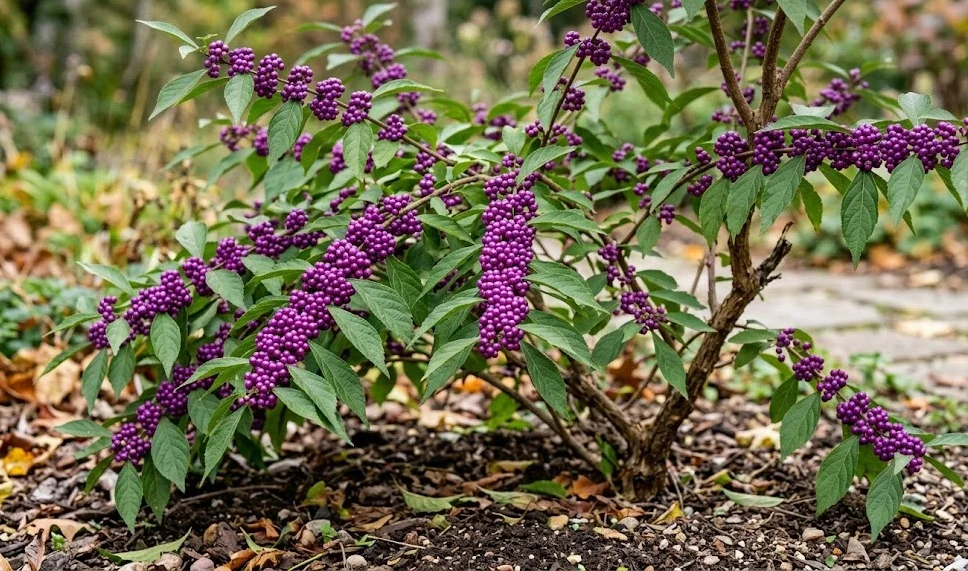

Protecting the Chinese beautyberry from potential biological threats is an essential part of maintaining a healthy and aesthetically pleasing garden. While this species is relatively robust compared to many other ornamental shrubs, it is not entirely immune to the pressures of pests and diseases. A proactive approach to plant health management involves regular inspections, proper cultural practices, and timely interventions when problems are identified. By understanding the common challenges faced by this plant, you can ensure it remains a vibrant part of your landscape for many years.
Disease prevention begins with creating an environment where pathogens struggle to take hold and spread. Most fungal and bacterial issues thrive in conditions of high humidity, poor air circulation, and excess moisture on the foliage. By spacing your plants correctly and using irrigation methods that keep the leaves dry, you eliminate the primary drivers of many common diseases. A healthy, unstressed plant is also much more capable of naturally resisting infections without the need for intensive chemical treatments.
Pests, on the other hand, are often attracted to plants that are already weakened or growing in sub-optimal conditions. Sucking insects like aphids or scales can quickly colonize a beautyberry if they are not detected and managed early in the season. These pests not only damage the plant directly by stealing nutrients but can also act as vectors for various viral diseases. Monitoring the underside of leaves and the tender new growth is the best way to catch these invaders before they cause significant harm.
Integrated Pest Management (IPM) is the professional standard for handling these issues in a modern garden setting. This philosophy emphasizes the use of biological controls, physical barriers, and targeted treatments over the broad application of harsh pesticides. By encouraging natural predators like ladybugs and lacewings, you can often keep pest populations at a manageable level without any human intervention. Understanding the delicate balance of your garden’s ecosystem is key to long-term success with the Chinese beautyberry.
Common fungal infections
Powdery mildew is one of the most frequent fungal issues that can affect the foliage of the Chinese beautyberry, especially in late summer. It appears as a white, flour-like dusting on the surface of the leaves, which can eventually lead to distorted growth or premature leaf drop. While it is rarely fatal to the shrub, a severe infestation can significantly reduce the plant’s aesthetic value and vigor. You can manage this by improving airflow around the plant and avoiding late-evening watering that leaves the foliage damp overnight.
More articles on this topic
Leaf spot diseases, caused by various fungal pathogens, can manifest as small, dark lesions on the green tissues of the shrub. These spots can merge over time, causing entire leaves to turn brown and fall off before the autumn season begins. To control these infections, you should remove and destroy any affected leaves as soon as you notice them to prevent the spores from spreading. Applying a copper-based fungicide in the early spring can also provide a protective barrier against many common leaf spot varieties.
Root rot is a more serious condition that usually stems from planting the beautyberry in soil with poor drainage. The fungi responsible for root rot thrive in waterlogged conditions where oxygen is limited, leading to the decay of the plant’s vital root system. Symptoms include a general decline in vigor, yellowing leaves, and a soft, mushy texture at the base of the stems. Once root rot has taken hold, it is very difficult to treat, making proper site selection and soil preparation your best defenses.
Botrytis blight, also known as gray mold, can sometimes affect the flowers and developing berries during periods of cool, wet weather. This fungus creates a fuzzy gray growth that can cause the fruit to shrivel and die before it reaches its peak color. You should prune out any affected tissue immediately and ensure the plant is not overcrowded by surrounding vegetation. Maintaining a clean garden environment by removing fallen debris at the end of each season helps to reduce the number of overwintering fungal spores.
Identifying and managing insect pests
Aphids are small, soft-bodied insects that congregate on the tender new growth of the beautyberry to suck out the sap. A heavy infestation can cause the leaves to curl and become stunted, and the sticky “honeydew” they excrete can lead to the growth of sooty mold. You can often control small populations of aphids by simply knocking them off the plant with a strong stream of water from a garden hose. For more persistent issues, an application of insecticidal soap or neem oil is usually very effective and safe for the environment.
More articles on this topic
Scale insects can sometimes be found on the woody stems of older beautyberry shrubs, where they look like small, immobile bumps. These pests are protected by a hard outer shell, making them more difficult to treat than many other common garden insects. They feed on the plant’s vascular system, slowly draining its energy and leading to branch die-back over time. Horticultural oils applied during the dormant season are the most effective way to manage scale by smothering the insects and their eggs.
Spider mites are nearly invisible pests that thrive in hot, dry conditions, often appearing during the peak of summer. You might notice fine webbing between the leaves and a stippled, yellowish appearance to the foliage where the mites have been feeding. Increasing the humidity around the plant and ensuring it is not suffering from drought stress can help to deter these pests. If a treatment is necessary, look for products specifically labeled for mites, as some general insecticides can actually make the problem worse by killing off natural predators.
Japanese beetles are occasional visitors that can quickly skeletonize the leaves of the beautyberry if left unchecked. These metallic green and bronze beetles are most active in the middle of summer and are easily spotted due to their size and group feeding habits. Hand-picking the beetles and dropping them into a bucket of soapy water is a simple and effective way to manage them in a small garden. If you choose to use traps, place them far away from your beautyberry to avoid attracting even more beetles to your prized shrubs.
Bacterial and viral concerns
Bacterial leaf scorch is a systemic issue that can sometimes mimic the symptoms of drought stress or nutrient deficiency. It typically presents as a browning of the leaf margins that moves inward toward the veins, often separated by a thin yellow halo. This disease is spread by leafhoppers and other sap-sucking insects, making pest control a key part of managing the risk. Unfortunately, there is no cure for bacterial leaf scorch, so focus on keeping the plant as healthy as possible to prolong its life.
Viral infections in the Chinese beautyberry are relatively rare but can cause unusual patterns of mottling, streaking, or distortion on the leaves. Viruses are often introduced by contaminated pruning tools or by insects that have previously fed on infected plants. There are no chemical treatments for viral diseases, and the only way to manage them is to remove and destroy the affected specimen. This highlight the importance of disinfecting your garden tools with alcohol or a bleach solution between uses to prevent cross-contamination.
Crown gall is a bacterial disease that causes abnormal, tumor-like growths to form on the roots or at the base of the stem. These galls interfere with the plant’s ability to transport water and nutrients, leading to a slow decline in health over several years. The bacteria live in the soil and enter the plant through wounds caused by pruning, transplanting, or insect damage. Avoid buying plants that show any signs of suspicious lumps at the root line and be careful not to damage the bark during routine maintenance.
Maintaining a diverse garden environment is one of the best ways to naturally limit the impact of bacterial and viral threats. When a single species is planted in large numbers, diseases can spread much more rapidly from one individual to another. By mixing your beautyberries with other types of shrubs and perennials, you create a more resilient landscape that can better withstand an outbreak. Professional garden design always takes these ecological factors into account to ensure long-term stability and health.
Proactive health monitoring
Becoming an expert in beautyberry care means learning to “read” the plant and identify problems before they escalate into major issues. You should make it a habit to walk through your garden several times a week to look for subtle changes in leaf color, texture, or growth rate. Catching a few aphids on a single branch is much easier to handle than trying to save a shrub that is completely covered in pests. This attentive approach allows you to use the least invasive methods possible to correct any problems that arise.
Keeping a garden journal can be an incredibly helpful tool for tracking the health of your plants over the course of several seasons. Note down when you first see certain pests or when the first signs of powdery mildew appear each year. This data will help you anticipate future issues and take preventive action, such as applying a protective spray just before a known problem period. Over time, you will develop a deep understanding of the unique challenges and rhythms of your specific garden plot.
Pruning out dead, damaged, or diseased wood is a task that should be performed throughout the year as needed. Removing these potential sources of infection helps to keep the rest of the plant healthy and encourages the growth of strong, new tissue. Always make clean cuts and avoid leaving stubs, as these can become entry points for pathogens and pests. Proper sanitation is a simple but powerful way to maintain the structural and biological integrity of your Chinese beautyberry.
Finally, remember that a few minor imperfections on the leaves or a few insects in the garden are perfectly normal and not a cause for alarm. A completely sterile garden is neither possible nor desirable, as it lacks the beneficial organisms that keep the ecosystem in balance. Your goal should be to maintain a healthy population of plants that can coexist with the local wildlife and environment. Professional care is about balance, observation, and purposeful action in support of the natural world.
Environmental stressors and physiological disorders
Sometimes, the problems you see on your beautyberry are not caused by pests or diseases, but by the environment itself. Scorch can occur during periods of extreme heat and direct sunlight, causing the edges of the leaves to turn brown and crispy. This is a physical reaction to the plant losing water faster than the roots can replace it, rather than an infection. Providing temporary shade and ensuring deep, consistent watering can help the plant recover from these intense weather events.
Nutrient imbalances can also cause symptoms that look like disease, such as the yellowing associated with iron deficiency or the stunted growth caused by a lack of nitrogen. If you see widespread discoloration that doesn’t appear to be spreading like a fungus, it may be time for a professional soil test. Adding the wrong treatment can sometimes make the problem worse, so it is important to accurately identify the cause of the symptoms. Expert gardening is as much about diagnostic skills as it is about physical labor.
Winter injury is another common issue, especially if the plant experiences a sudden drop in temperature before it has fully hardened off. This can lead to split bark or dead branch tips that only become apparent once the plant tries to push out new growth in the spring. You should wait until the plant has fully leafed out before pruning away the damaged sections to see exactly what has survived. Proper mulching and late-season hydration are your best tools for preventing this type of environmental damage.
Understanding the difference between biological threats and environmental stress is key to choosing the right intervention strategy. Treating a heat-stressed plant with an insecticide will only add more chemical stress to an already struggling specimen. By taking a holistic view of the plant’s health and environment, you can provide the specific support it needs to thrive. The reward for this careful attention is a beautiful, resilient shrub that continues to delight the senses season after season.