
Proper hydration and nutritional support are the two pillars of maintaining a vigorous and visually stunning Chinese beautyberry throughout its life. While this shrub is known for its resilience, its ability to produce high-quality foliage and fruit is directly linked to the consistency of its care. Gardeners must develop a keen eye for the plant’s signals to provide exactly what it needs without overdoing it. A professional approach to watering and fertilizing ensures that the plant remains healthy, productive, and resistant to environmental stressors.
Watering is not just about the quantity of liquid provided, but also about the timing and the method of application. During the first few years of establishment, the shrub requires a more frequent and attentive watering schedule to build its root system. As the plant matures, it becomes more drought-tolerant, but it still benefits from deep irrigation during prolonged dry spells. You should aim to keep the soil moisture levels consistent to prevent the plant from experiencing the boom-and-bust cycles that can lead to stress.
Fertilization serves as a supplement to the natural nutrients found in the soil, providing the chemical building blocks for growth and reproduction. A well-fed beautyberry will exhibit stronger stem development and a more prolific display of flowers and berries. However, excessive fertilization can lead to lush, weak growth that is more attractive to pests and more susceptible to storm damage. The goal is to provide a balanced diet that supports the plant’s natural growth habit without forcing it into unnatural patterns.
Environmental factors such as sun exposure, wind, and soil type will all influence the specific watering and feeding needs of your plant. Sandy soils will require more frequent watering and smaller, more frequent applications of fertilizer due to their low retention capacity. In contrast, heavy clay soils hold onto both water and nutrients longer, requiring a more cautious approach to avoid saturation or toxicity. Understanding these dynamics is the first step toward becoming an expert in beautyberry maintenance.
Establishing a watering routine
The key to effective watering is to deliver moisture directly to the root zone where it is most needed by the plant. You should avoid overhead watering whenever possible, as wet foliage can encourage the development of fungal diseases. Instead, use a soaker hose, drip irrigation, or a gentle hand-watering technique at the base of the shrub. This ensures that the water reaches the roots efficiently and minimizes loss through evaporation or runoff.
More articles on this topic
Early morning is the best time to water, as it allows the plant to hydrate before the heat of the day increases transpiration rates. If the morning is not possible, late afternoon is an acceptable alternative, provided the foliage has time to dry before nightfall. Watering during the peak heat of midday is often wasteful, as much of the moisture will evaporate before it can penetrate the soil. Consistency is more important than volume, so try to stick to a regular schedule that reflects the current weather conditions.
You can determine if the plant needs water by checking the top few inches of the soil with your finger or a moisture meter. If the soil feels dry and crumbly, it is time to provide a deep soaking that reaches the lower levels of the root system. Surface-level watering only encourages roots to stay near the top of the soil, making them more vulnerable to drying out. A deep, thorough watering once or twice a week is generally better than a light sprinkling every day.
During the autumn months, you should gradually reduce the frequency of watering as the plant prepares for its dormant phase. However, it is important not to let the soil dry out completely before the first hard freeze, as hydrated roots are better able to survive extreme cold. Proper moisture management in the late season supports the development of the berries and ensures the plant enters winter in peak condition. Once the plant is fully dormant, watering can usually be suspended until the following spring.
Nutrient requirements and timing
Choosing the right fertilizer for your beautyberry involves understanding the primary nutrients required for ornamental shrub growth. A balanced, all-purpose fertilizer with an NPK ratio like 10-10-10 or a dedicated flowering shrub formula is usually sufficient. Nitrogen (N) supports green leaf growth, Phosphorus (P) is essential for root and flower development, and Potassium (K) improves overall plant health and stress resistance. Organic options like compost, fish emulsion, or well-rotted manure are also excellent choices for long-term soil health.
More articles on this topic
The best time to apply fertilizer is in the early spring, just as the new growth begins to emerge from the dormant stems. This provides the plant with a boost of energy during its most active phase of the year. You should spread the fertilizer evenly around the base of the plant, extending out to the drip line where the feeder roots are located. Avoid placing the fertilizer directly against the main trunk, as the concentrated nutrients can cause chemical burns to the bark.
A second, lighter application can be made in the early summer to support the transition from flowering to fruit production. This ensures that the plant has enough resources to develop the dense clusters of berries that define its aesthetic value. You should avoid fertilizing after mid-summer, as this can stimulate late-season growth that will not have time to harden off before the frost. Late-season fertilization can inadvertently make the plant more vulnerable to winter injury or death.
Always water the plant thoroughly after applying granular fertilizer to help wash the nutrients into the soil and make them available to the roots. This also helps to prevent the fertilizer from sitting on the surface and potentially damaging any low-hanging foliage. If you notice signs of nutrient deficiency, such as pale or yellowing leaves, you may need to adjust your feeding schedule or perform a soil test. Expert care means being proactive about nutrition while respecting the plant’s natural growth cycle.
Organic vs synthetic fertilizers
Organic fertilizers provide a slow-release source of nutrients while simultaneously improving the structure and biological activity of the soil. Materials like composted manure, bone meal, and alfalfa meal break down over time, releasing their benefits gradually to the plant. This approach mimics the natural forest environment where the beautyberry originated and supports a healthy ecosystem of beneficial microbes and fungi. Using organic matter also helps the soil retain moisture more effectively, reducing the need for frequent irrigation.
Synthetic fertilizers offer the advantage of precise nutrient ratios and immediate availability to the plant’s vascular system. These products are particularly useful for correcting specific deficiencies quickly or providing a controlled growth boost in the spring. However, they do not contribute to the long-term health of the soil and can lead to the buildup of salts if overused. If you choose synthetic options, it is important to follow the package directions exactly to avoid over-fertilizing and damaging the environment.
A hybrid approach that combines the two methods can often provide the best results for a home garden or professional landscape. You might use a high-quality compost as a base for soil health and supplement with a liquid synthetic fertilizer during the peak flowering period. This ensures that the plant has both a stable foundation and the extra energy needed for an exceptional fruit display. Regardless of the product used, the goal remains the consistent support of the plant’s biological needs.
Monitoring the plant’s response to different types of fertilization is a key part of becoming a more skilled gardener. You should keep a simple log of what products you used and when you applied them to track the effects over several seasons. If a particular specimen is thriving, you can replicate that success; if it is struggling, you have the data to make informed changes. This methodical approach to nutrition takes the guesswork out of gardening and leads to more predictable and spectacular results.
Micronutrients and soil pH
In addition to the primary macronutrients, the Chinese beautyberry also requires trace amounts of micronutrients such as iron, manganese, and zinc. These elements are vital for the chemical reactions that drive photosynthesis and berry pigmentation. Most high-quality garden soils contain these naturally, but they can become unavailable to the plant if the soil pH is too high or too low. Maintaining the correct pH level is essential for ensuring that all the nutrients you provide can actually be used by the plant.
The beautyberry prefers a slightly acidic soil, ideally between 5.5 and 6.5 on the pH scale. If your soil is too alkaline, the plant may suffer from iron chlorosis, which presents as yellowing leaves with green veins. You can lower the pH by adding elemental sulfur or aluminum sulfate to the soil around the base of the shrub. Conversely, if the soil is too acidic, a small amount of garden lime can be used to raise the pH to a more suitable level.
Testing the soil pH every few years is a professional practice that prevents long-term health issues before they become visible. Simple home test kits are available at most garden centers, or you can send a sample to a local extension office for a more detailed analysis. Knowing your soil’s chemistry allows you to tailor your fertilization and watering practices to the specific conditions of your garden. This precision is what separates a casual hobbyist from a truly expert horticulturalist.
When applying pH amendments, it is best to do so in small increments over a period of several months. Drastic changes to the soil chemistry can shock the plant and damage the delicate relationship between the roots and the surrounding soil. Always retest the soil after a season of treatment to see how much progress has been made toward your target pH. A stable and appropriate soil environment is the best gift you can give to your beautyberry for a long and healthy life.
Managing stress through care
Watering and fertilizing are your most powerful tools for helping the beautyberry manage environmental stress like heatwaves or unusual cold. A well-hydrated plant has a much higher thermal mass and can better regulate its internal temperature during the hottest days of summer. Similarly, a plant with a balanced nutrient profile has the internal strength to recover from physical damage or pest attacks more quickly. Your care routine is essentially an insurance policy against the unpredictability of the natural world.
During times of extreme stress, you should prioritize watering over fertilizing to avoid putting additional pressure on the plant. Trying to force a struggling plant to grow by adding more fertilizer is like asking a sick person to run a marathon; it often does more harm than good. Instead, focus on maintaining consistent soil moisture and providing a little extra shade if the sun is particularly intense. Once the stressor has passed and the plant shows signs of recovery, you can resume your regular feeding schedule.
Observing the plant daily allows you to catch the early signs of stress before they become major problems. Wilted leaves in the evening are a sign of serious dehydration, while wilted leaves in the heat of the day might just be a natural cooling mechanism. By learning the nuances of the plant’s behavior, you can make more accurate decisions about when to intervene and when to let nature take its course. This intuitive connection to your garden is developed through years of consistent, attentive care.
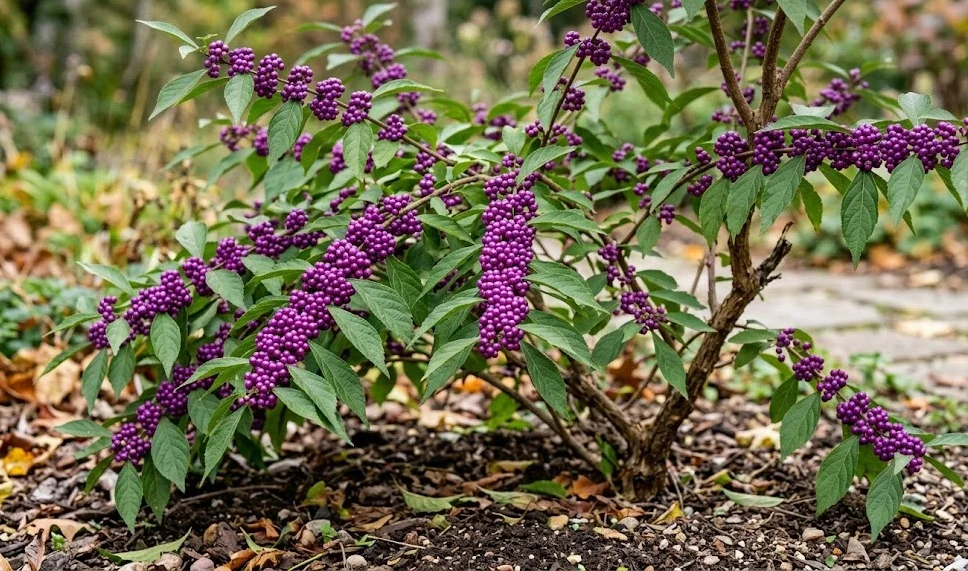
The final goal of your watering and fertilizing program should be a plant that looks as though it is thriving without any effort at all. When you achieve the perfect balance, the beautyberry will reward you with lush foliage, delicate flowers, and an explosion of purple berries every single year. This success is not the result of luck, but of the professional application of sound horticultural principles. Enjoy the process of caring for your garden, as the journey is just as rewarding as the spectacular autumn results.