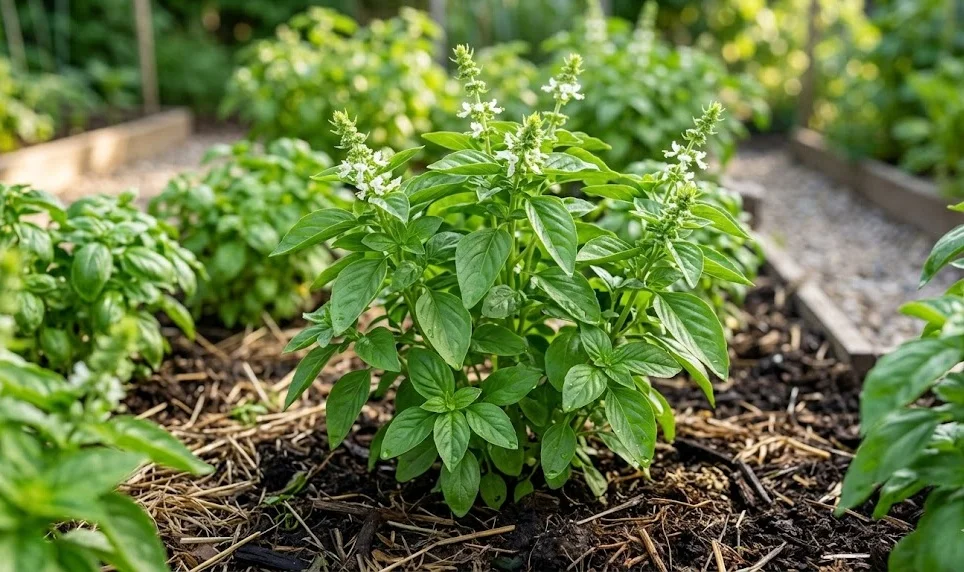

While basil is naturally a tropical annual that thrives in the heat of summer, many professional gardeners use specific techniques to extend its life through the winter months. Transitioning these tender plants from an outdoor garden to a controlled indoor environment requires a deep understanding of their physiological needs during shorter days. Without the intense light and warmth of the sun, basil must be managed with a focus on conservation and stress reduction. Successfully overwintering basil allows for a continuous supply of fresh herbs and provides a head start for the following spring season.
Preparing for the indoor transition
The process of moving basil indoors must begin well before the first frost is even a possibility on the local weather forecast. Basil plants are extremely sensitive to cold, and even a single night of temperatures near five degrees Celsius can cause irreversible tissue damage. Professionals begin monitoring nighttime temperatures in late summer to determine the ideal window for the transition. Moving the plants while the weather is still relatively warm reduces the severity of the temperature shock they will experience.
Before the plants are brought inside, they must undergo a rigorous inspection for pests and diseases to avoid contaminating indoor growing areas. Aphids, spider mites, and whiteflies often hide on the undersides of leaves and can quickly multiply in the warm, predator-free environment of a home. A thorough rinsing of the foliage with a gentle stream of water can dislodge many common pests. In some cases, a preventative application of insecticidal soap or neem oil is used by professionals to ensure the plant is “clean” before it enters the house.
Pruning the plant back by about one-third of its total mass is a strategic move during the overwintering process. This reduces the amount of foliage the root system needs to support while it adjusts to the lower light levels found indoors. It also encourages the plant to remain compact and prevents it from becoming excessively leggy as it reaches toward windows for light. The harvested leaves from this pruning session can be used immediately or preserved, ensuring nothing goes to waste.
Selecting the right container and growing medium for the indoor phase is the final step in the preparation process. If the basil was grown in the ground, it should be carefully dug up and placed in a pot with a high-quality, sterile potting mix. The new container must have excellent drainage, as the rate of water evaporation is much lower indoors than it is in the garden. Using a slightly larger pot than the root ball allows for some growth, but overpotting should be avoided to prevent soil saturation.
More articles on this topic
Managing light and temperature indoors
Light is the most significant limiting factor for basil during the winter, especially in northern latitudes where days are short. A south-facing window that receives at least six hours of direct sunlight is the minimum requirement for maintaining health. However, even the sunniest window is often insufficient to sustain the lush growth typical of the summer months. Professional indoor growers almost always supplement natural light with full-spectrum LED or fluorescent grow lights to ensure the plant receives 12 to 14 hours of illumination.
Temperature stability remains a priority indoors, but the challenges are different than those found in the outdoor garden. Basil should be kept in a room where temperatures consistently stay between 18 and 24 degrees Celsius during the day. It is important to keep the plants away from cold drafts near windows or doors, as well as away from the drying heat of radiators and vents. Extreme temperature fluctuations can cause the plant to drop its leaves or enter a state of dormancy from which it may not recover.
The lack of natural humidity in heated indoor air can be very stressful for a plant that evolved in a Mediterranean or tropical climate. When the air becomes too dry, the edges of the basil leaves may turn brown and the plant becomes more susceptible to spider mites. Using a humidifier in the growing room or placing the pots on a tray of wet pebbles can help maintain a more favorable microclimate. Grouping multiple plants together can also create a small pocket of higher humidity through their collective transpiration.
Air circulation is often overlooked in indoor settings but is essential for preventing fungal diseases and strengthening stems. A small fan set to a low speed can provide the gentle air movement that the plant would naturally experience outdoors. This prevents stagnant, humid air from settling around the foliage, which is a primary cause of indoor powdery mildew. Ensuring that the plants are not crowded too closely together further promotes healthy airflow and light penetration throughout the winter.
More articles on this topic
Adjusting water and nutrient delivery
Watering requirements for basil change dramatically once the plant is moved indoors and growth slows down. Without the intense heat and wind of the outdoors, the soil stays moist for much longer than it would in a garden bed. Overwatering is the most common cause of basil death during the winter, leading to root rot and fungal issues. Professionals wait until the top two centimeters of soil are dry to the touch before providing a thorough but careful irrigation.
Feeding the basil during the winter should be done with extreme caution and at a much lower frequency than in summer. Because the plant is not growing as vigorously, it does not require the same level of nitrogen and other minerals. Applying too much fertilizer during this period can lead to a buildup of salts in the potting mix, which can damage the delicate root system. Most professionals reduce their fertilization schedule to once a month and use a half-strength liquid solution.
The quality of water used indoors is also a consideration, as tap water may contain minerals and chemicals that accumulate in the pot. If possible, use room-temperature rainwater or filtered water to avoid shocking the roots with cold or chlorinated liquid. Occasionally flushing the soil with a large amount of water until it runs clear from the drainage holes can help remove any salt buildup. This “leaching” process should be done on a bright, warm day to ensure the soil can dry out at a reasonable rate afterward.
Monitoring the plant’s reaction to the indoor regimen is a continuous process that requires a professional’s attention to detail. If the leaves start to turn yellow or the growth appears exceptionally weak, it may be a sign that the light levels are too low or the soil is too wet. Conversely, if the plant continues to produce flower spikes, it should be pinched back just as it would be in the summer. Adapting the care routine to the specific conditions of the indoor environment is the key to successful overwintering.
Transitioning back to the garden
As spring approaches and the days grow longer, the overwintered basil will begin to show signs of increased vigor and new growth. This is the ideal time to perform a more significant pruning to reshape the plant and encourage fresh, aromatic leaves. You may also notice that the plant requires more frequent watering and a return to a more regular fertilization schedule. Preparing the plant for its return to the outdoors is just as important as the initial move inside the previous autumn.
The “reverse hardening-off” process is essential to avoid shocking the plant when it is moved back into the garden. Start by placing the pots in a sheltered, shaded spot for a few hours each day when the outdoor temperatures are above 15 degrees Celsius. Gradually increase the exposure to direct sunlight and wind over a period of ten to fourteen days. This allows the leaf cuticle to thicken and the plant’s metabolic processes to adjust to the higher energy environment of the outdoors.
Check the soil and roots for any signs of being “pot-bound” before deciding whether to transplant the basil back into the ground. If the roots are circling the inside of the container, it may be beneficial to gently loosen them and move the plant to a larger pot or a permanent garden bed. Adding some fresh compost to the planting hole will provide an immediate nutrient boost for the new growing season. Ensure the soil has warmed up sufficiently, as basil will still struggle if placed in cold, damp spring earth.
Successfully overwintering a basil plant can provide a sense of continuity in the garden and a reliable source of cuttings for propagation. Many professionals find that overwintered plants, once revitalized in the spring, can become even bushier and more productive than new seedlings. By treating the overwintering process as a specialized phase of the plant’s life cycle, gardeners can enjoy the benefits of this versatile herb year-round. This level of dedication to plant care is what defines a truly expert approach to horticulture.