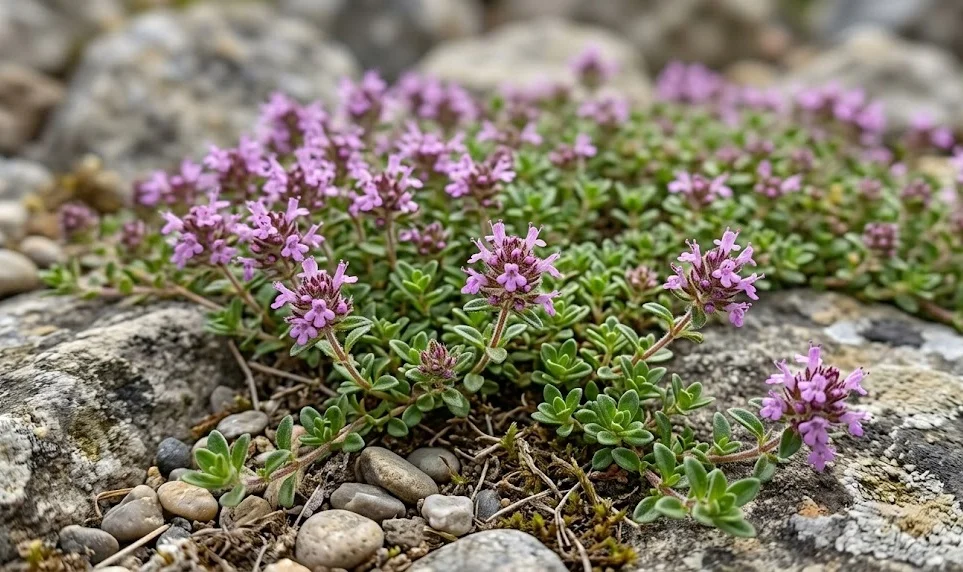

While wild thyme is generally a hardy and resilient herb, it is not entirely immune to the challenges of diseases and pests. A professional gardener knows that the best defense is a proactive approach based on prevention and early detection. Most issues that affect this plant are related to environmental stress, which weakens the plant’s natural defenses. By understanding the common threats and how they manifest, you can keep your thyme patches healthy and vibrant without relying on harsh chemicals.
Fungal diseases are the most frequent problem, usually triggered by excess moisture and poor air circulation. These pathogens thrive in damp environments where the foliage stays wet for extended periods. Maintaining the right planting distance and ensuring excellent drainage are the most effective ways to keep these issues at bay. When problems do arise, acting quickly can prevent a small infection from spreading across the entire patch.
Insects and other small pests can also target thyme, although its strong essential oils act as a natural deterrent for many common garden invaders. However, a few specialized pests or opportunistic feeders can still cause significant damage if left unchecked. Regular inspections of the leaves and stems will help you spot these intruders before their populations explode. Using integrated pest management techniques allows you to handle these situations with minimal impact on the environment.
The health of your thyme is a direct reflection of the care it receives and the environment it grows in. A plant that is stressed by drought, overwatering, or poor nutrition is much more likely to fall victim to disease or pest attack. Focusing on creating the perfect growing conditions is the most important step in any pest and disease management plan. The following sections will guide you through the professional identification and treatment of the most common issues.
Managing fungal pathogens
Botrytis cinerea, also known as gray mold, is a common fungal threat that can affect the dense mats of wild thyme. It often appears as a fuzzy gray growth on the leaves and stems, especially during cool, wet spring or autumn weather. This disease can cause the foliage to rot and die back, creating unsightly brown patches in your groundcover. To manage it, immediately remove any affected material and improve the air circulation around the remaining plants.
More articles on this topic
Root rot, caused by various soil-borne fungi like Phytophthora, is perhaps the most serious threat to thyme. It is almost always a result of poor drainage or overwatering, which creates the anaerobic conditions these pathogens love. The first signs are often a general wilting and yellowing of the plant, even when the soil is wet. Once root rot has taken hold, it is very difficult to save the plant, making prevention through proper soil prep absolutely critical.
Powdery mildew can occasionally appear as a white, dusty coating on the surface of the leaves during humid summers. While it rarely kills the plant, it can weaken it and make it look unattractive for culinary or ornamental use. Increasing the spacing between plants and avoiding overhead watering can significantly reduce the risk of an outbreak. If necessary, a simple spray made from diluted milk or baking soda can help control mild cases organically.
Rust is another fungal issue that manifests as small, orange or brown pustules on the undersides of the leaves. It is often spread by wind and water splash, making it difficult to avoid entirely in some regions. Removing and destroying infected stems is the best way to prevent the spores from spreading to healthy parts of the garden. Keeping the area around your thyme clear of debris also removes potential overwintering sites for the fungus.
Common insect pests
Spider mites are among the most likely pests to trouble your thyme, particularly during hot and dry summer months. These tiny arachnids suck the sap from the leaves, causing them to develop a mottled, yellow appearance. You might also notice very fine webbing between the stems in severe infestations. Increasing the humidity around the plants with a gentle misting can often discourage these pests, as they prefer dry conditions.
More articles on this topic
Aphids can sometimes congregate on the tender new growth in the spring, sucking the life out of the young stems. They are often accompanied by ants, which “farm” the aphids for the sweet honeydew they produce. A strong blast of water from the garden hose is usually enough to dislodge most of them without damaging the plant. For more persistent cases, an insecticidal soap or a diluted neem oil spray can be used effectively.
The thyme moth is a more specialized pest whose larvae feed on the leaves and flowers of the plant. You may notice small holes in the foliage or find the tiny caterpillars hidden within the dense growth. While they rarely cause fatal damage, a large population can significantly reduce the ornamental and culinary value of the herb. Encouraging natural predators like birds and predatory insects in your garden is the best long-term solution for managing these moths.
Leafhoppers are small, wedge-shaped insects that jump quickly when the foliage is disturbed. Like aphids, they feed on the plant’s juices and can sometimes transmit viral diseases between different plants. Their feeding can cause the leaves to turn brown at the edges, a condition sometimes called “hopper burn.” Maintaining a diverse garden ecosystem helps keep leafhopper populations in check through natural predation and competition.
Preventative cultural practices
The way you design and maintain your garden can have a massive impact on the prevalence of pests and diseases. Providing the correct amount of space between plants ensures that air can flow freely, keeping the foliage dry. This simple step is one of the most effective ways to prevent nearly all fungal issues. A professional gardener always thinks about the final size of the plant when choosing where to place it.
Cleaning your gardening tools regularly is a vital habit for preventing the spread of pathogens from one plant to another. Using a simple solution of rubbing alcohol or a mild bleach soak will kill most bacteria and fungus on your shears and trowels. It is especially important to disinfect your tools after working on a plant that shows signs of illness. This small effort can save you a lot of trouble and heartbreak in the long run.
Maintaining a clean garden floor by removing fallen leaves and spent flowers reduces the hiding spots for pests. Many insects and fungal spores overwinter in the organic debris that accumulates around the base of the plants. By tidying up the area in the late autumn, you set the stage for a much healthier growing season the following year. A neat garden is not just about aesthetics; it is about biological security for your plants.
Crop rotation is not just for vegetables; it can also be applied to your herb garden on a smaller scale. If you find that a certain spot in your garden consistently has problems with soil-borne diseases, avoid planting thyme there for a few seasons. This allows the pathogen levels in the soil to naturally decline over time. Moving your herb patches around can break the life cycles of specialized pests and keep the soil healthy.
Natural and organic remedies
When intervention is necessary, always start with the least toxic options to protect the beneficial insects in your garden. Neem oil is a versatile organic treatment that works against both fungal pathogens and many soft-bodied insects. It works by disrupting the life cycles of the pests and creating a barrier that prevents fungal spores from germinating. Always follow the label instructions carefully and apply it during the cooler parts of the day.
Diatomaceous earth is a natural powder made from fossilized algae that can be used to control crawling insects. It works mechanically by piercing the exoskeletons of the pests, causing them to dehydrate and die. It is effective against things like ants and small beetles but must be reapplied after rain or heavy watering. Be careful not to inhale the dust during application, as it can be irritating to the lungs.
Homemade sprays using common kitchen ingredients can be surprisingly effective for minor pest and disease issues. A mixture of water, a few drops of dish soap, and a pinch of cayenne pepper can deter many chewing insects. Similarly, a spray made from crushed garlic has strong antifungal and antibacterial properties that can help protect your plants. These remedies are safe for you and the environment, making them ideal for an herb garden.
Beneficial insects are your greatest allies in the fight against garden pests. Ladybugs, lacewings, and hoverflies all feed on common pests like aphids and mites, providing a natural form of control. You can attract these “good bugs” by planting a variety of flowers that provide them with pollen and nectar throughout the season. A balanced garden ecosystem is much less likely to suffer from severe pest outbreaks than a monoculture.
Dealing with environmental stress
It is important to remember that many “symptoms” in plants are actually physiological responses to environmental stress rather than disease. For example, purple or reddish leaves in the autumn are often just a natural reaction to cooler temperatures and shorter days. Similarly, a slight wilting in the heat of a summer afternoon is the plant’s way of conserving moisture and is usually not a cause for alarm. Learning to distinguish these natural reactions from actual problems will save you a lot of unnecessary worry.
Sunscald can occur if a plant that has been growing in the shade is suddenly moved into intense, direct sunlight. The leaves will turn white or pale brown as the tissue is literally burned by the UV rays. This is most common when transplanting young seedlings or moving potted plants outdoors in the spring. Gradually acclimating your plants to new light conditions is the best way to prevent this type of damage.
Cold damage can manifest as blackened stems or mushy foliage after an unseasonably hard frost. While wild thyme is generally cold-hardy, a sudden drop in temperature before the plant has entered dormancy can be problematic. If you suspect cold damage, wait until the spring to see if the plant regrows from the roots before giving up on it. Often, the damage is only on the surface, and the core of the plant remains healthy and ready to rebound.
Salt damage can be an issue if your thyme is planted near a road or sidewalk that is treated with de-icing salts in the winter. The salt can burn the foliage and build up in the soil, preventing the roots from taking up water properly. If this is a concern, consider planting your thyme in a raised bed or using a physical barrier to protect it from spray. Flushing the soil with plenty of fresh water in the spring can also help wash away excess salts.