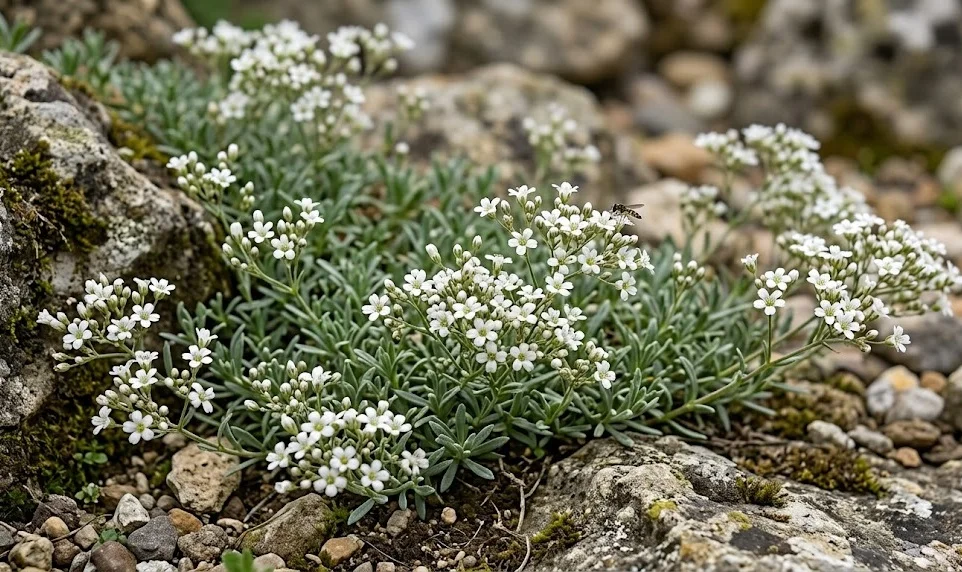

Understanding the specific light needs of alpine perennials is essential for achieving a dense growth habit and a prolific blooming season. Creeping baby’s breath is a sun-loving species that has evolved to thrive in the high-intensity light of mountainous regions. Without sufficient exposure to solar energy, the plant will quickly become weak, leggy, and lose its iconic “carpet” appearance. This guide explores the nuances of light management to help you provide the optimal environment for your plants.
The intensity and duration of sunlight are the primary drivers of photosynthesis, which provides the energy for both foliage growth and flower production. For creeping baby’s breath, a minimum of six to eight hours of direct sunlight per day is generally considered the baseline for healthy development. In areas with less light, the plant will stretch toward the sun, resulting in thin stems and a much sparser display of flowers. A professional landscape design always prioritizes placing this species in the most sun-drenched locations available.
In addition to its role in growth, sunlight also helps to maintain the health of the plant by drying out the foliage and the soil surface. This is particularly important for groundcovers, which are more susceptible to moisture-related diseases like mildew and rot. The warmth provided by the sun also stimulates the activity of beneficial soil microbes and helps the plant recover more quickly from overnight frost. Understanding the dual role of light as both a fuel source and a protective agent is key to successful cultivation.
However, even a sun-loving plant can sometimes experience stress from extreme solar radiation, particularly in very hot and arid climates. In these regions, the timing of the light exposure becomes just as important as the total amount received. A professional approach involves balancing the need for intense light with the risk of heat stress, ensuring the plant stays vibrant throughout the hottest months. Let’s delve into the specific light requirements and how to manage them in various garden settings.
Optimal sun exposure and site selection
When choosing a planting site, the goal is to maximize the amount of direct, unobstructed sunlight the plant receives throughout the day. South-facing slopes, rock gardens with no overhanging trees, and the edges of raised beds are all ideal locations for creeping baby’s breath. Even a small amount of shade from nearby perennials or garden structures can significantly impact the plant’s growth over time. Before planting, it is a good practice to observe the movement of shadows in your garden to identify the true “full sun” spots.
More articles on this topic
In northern latitudes or cooler climates, the plant can handle—and often benefits from—every bit of sunlight it can get. The lower angle of the sun in these regions means the light is less intense, so providing a clear horizon to the south and west is crucial. In these areas, the plant’s silver-green foliage is particularly adept at reflecting excess light while capturing enough energy to thrive. If you notice your plants are leaning in one direction, it is a clear sign they are seeking more light than their current position provides.
The quality of light is also a factor, as reflected light from light-colored walls or stones can increase the total energy available to the plant. This is one reason why creeping baby’s breath does so well in rock gardens, where the surrounding stones act as solar collectors. The heat absorbed by the rocks during the day is released slowly at night, providing a more stable and warm environment for the roots. This synergy between light and temperature is a hallmark of the alpine environment that these plants naturally prefer.
If you are forced to plant in a less-than-ideal location, try to ensure the plant receives most of its light in the morning and early afternoon. The morning sun is highly effective at drying the dew off the leaves, which reduces the risk of fungal infections. Afternoon sun, while intense, can sometimes be too hot if the plant is already stressed by drought or poor soil. By prioritizing morning light, you provide the plant with the energy it needs while minimizing the potential for midday heat damage.
Effects of shade and low light on plant health
When creeping baby’s breath is grown in too much shade, the most immediate change is a loss of its compact, mat-forming habit. The stems will grow much longer and thinner as the plant attempts to reach for the light, a process known as “etiolation.” This results in a messy, flopping appearance that is the opposite of the tidy, carpet-like look that gardeners desire. Over time, these elongated stems become weak and are more easily damaged by wind, rain, or foot traffic.
More articles on this topic
The blooming performance is the next thing to suffer in low-light conditions, as the plant prioritizes survival and foliage over reproduction. Instead of the thick mist of white or pink flowers, you may only see a few scattered blossoms that lack the vibrancy of those grown in full sun. In some cases, the plant may fail to bloom entirely, even if it appears to be growing otherwise. For a professional-grade floral display, there is simply no substitute for the energy provided by direct sunlight.
Low light also creates a microclimate that is much more favorable to pests and diseases that prefer damp, stagnant conditions. Without the sun to quickly evaporate moisture, the foliage remains wet for longer periods after rain or irrigation. This makes the plant a prime target for powdery mildew, gray mold, and various bacterial leaf spots. Furthermore, many soft-bodied pests like aphids and slugs are more active in shaded areas where they are protected from the drying effects of the sun.
If your garden has become shadier over the years due to the growth of nearby trees or shrubs, you may need to take action to save your baby’s breath. This could involve pruning back overhanging branches to let more light through or even relocating the plants to a sunnier spot. Because these are relatively small perennials, transplanting them is a viable option if their health is declining due to insufficient light. Being responsive to the changing light patterns in your garden is essential for long-term perennial success.
Balancing light and temperature for summer success
In very hot climates, the challenge is often managing the high temperatures that come with intense, all-day sunlight. While creeping baby’s breath loves the sun, extreme heat (above 30-35 degrees Celsius) can cause the plant to go into a temporary state of stress. During these periods, the plant may wilt slightly during the day to conserve moisture, even if the soil is damp. This is a natural defense mechanism, but prolonged exposure to extreme heat and light can lead to leaf scorch or a shortened blooming period.
One professional strategy in these hot regions is to provide “filtered” sun or light shade during the hottest part of the afternoon. This can be achieved by placing the plants where they receive full sun in the morning but are protected by a light screen or the shadow of a taller, heat-tolerant plant after 2 PM. This “afternoon respite” helps keep the leaf temperature down while still providing enough total light for vigorous growth. The goal is to provide the maximum amount of light without crossing the threshold into heat-induced damage.
Mulching with light-colored gravel or stone can also help manage the temperature of the root zone while reflecting light back up to the foliage. Unlike dark organic mulches that absorb and hold heat, stones can help keep the soil slightly cooler by providing an insulating barrier. This is particularly important for alpine plants that are used to having “cool feet” even when their tops are in the blazing sun. Maintaining this temperature differential between the roots and the shoots is a key secret to growing healthy baby’s breath in warmer zones.
Finally, hydration plays a crucial role in how well the plant handles intense light and heat. A well-hydrated plant can effectively cool itself through transpiration, the process of releasing water vapor through the leaves. If the soil is too dry, the plant cannot perform this cooling function, making it much more vulnerable to the sun’s rays. In high-light environments, keeping a close eye on soil moisture and ensuring the plant has enough water to fuel its natural cooling system is a top priority for any professional gardener.