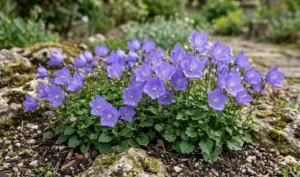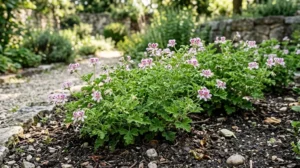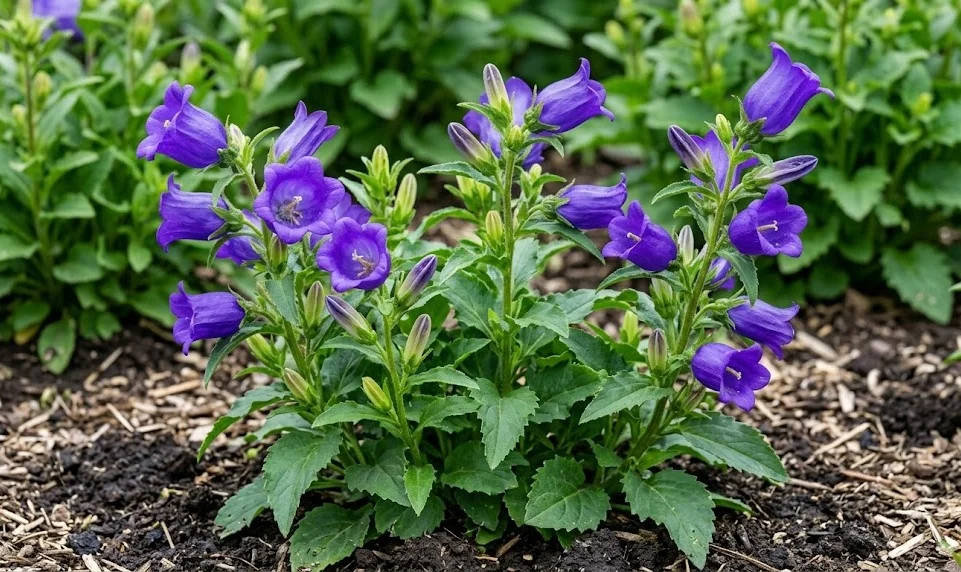

Pruning is a vital horticultural skill that allows the gardener to shape the growth, encourage more flowers, and maintain the overall health of the plant. For the bellflower, a few well-timed snips can make the difference between a sprawling, messy clump and a neat, professional-looking display. While the idea of cutting your plants might seem intimidating at first, it is actually one of the kindest things you can do for them. Proper technique and an understanding of the plant’s growth cycle are all you need to master this essential task.
The primary goal of pruning during the active growing season is to encourage the plant to produce as many flowers as possible for your enjoyment. Deadheading, or the removal of spent blooms, prevents the plant from putting its energy into seed production and redirects it back into new flower buds. This simple practice can significantly extend the blooming period, sometimes by several weeks or even months in the right conditions. Using a sharp pair of clean snips ensures that the cuts are clean and heal quickly without inviting disease.
Beyond just removing individual flowers, you can also perform a more thorough cleanup of the foliage as the season progresses. If you notice any yellowing or damaged leaves, removing them promptly keeps the plant looking fresh and prevents the spread of potential pests or fungi. This ongoing maintenance is a hallmark of a professional garden where every plant is given the attention it needs to look its absolute best. A tidy plant is a healthy plant that can focus all its resources on vibrant growth.
In the height of summer, some of the more vigorous varieties can become a bit leggy or start to flop over under the weight of their own flowers. You can prune back these long stems by about a third to encourage a more compact and bushier habit for the rest of the season. This might delay the next flush of flowers slightly, but the resulting plant will be much stronger and more aesthetically pleasing in the long run. Professionalism in the garden often involves making these small sacrifices for a better future result.
Rejuvenating the garden in summer
After the main flowering period has ended, many perennials benefit from a more significant cut back to refresh their appearance and stimulate new growth. You might find that the foliage starts to look a bit tired and worn out after weeks of intense sun and blooming. Cutting the entire plant back to within a few inches of the ground might seem drastic, but it often triggers a fresh burst of green leaves. In many cases, this rejuvenation can even lead to a second, smaller flush of flowers later in the autumn.
More articles on this topic
This mid-season pruning is particularly effective for groundcover varieties that can become thin or patchy over time if left to their own devices. By removing the old, woody stems, you allow the light to reach the center of the plant and encourage new, vigorous shoots to emerge from the base. Be sure to provide plenty of water and a light feeding of fertilizer immediately after such a heavy pruning to help the plant recover quickly. A professional touch during this phase ensures that your garden remains beautiful right up until the first frost.
During this process, it is also a good time to check for any signs of overcrowding that might be affecting the health of your perennials. If the center of the clump is looking sparse or the stems are becoming too thin, it may be a signal that the plant needs to be divided in the coming season. Pruning gives you a clear view of the structure of the plant and helps you make informed decisions about its long-term management and care. Every cut you make should be a deliberate choice aimed at improving the health of the landscape.
Always remember to clean your tools with a bit of rubbing alcohol between plants to prevent the accidental spread of any hidden diseases. This professional habit is one of the easiest ways to maintain a healthy garden ecosystem and protect your valuable plant collection. Sharp, well-maintained tools also make the job much easier and more enjoyable for the gardener, allowing for precision and speed. A clean cut is a safe cut that the plant can close up quickly to stay protected from the elements.
Final autumn and spring tasks
As the growing season comes to an end and the first hard frost arrives, the final pruning tasks of the year involve preparing for the winter rest. You can cut back the remaining stems to the ground once they have turned brown and the nutrients have returned to the root system. This cleanup process helps prevent the buildup of fungal spores and removes the hiding places for pests that might try to overwinter in the garden. Leaving a tidy bed makes the spring transition much smoother and more professional when the new growth begins to appear.
More articles on this topic
In some cases, you might choose to leave a bit of the dried foliage in place to provide a natural layer of protection for the crown of the plant during the cold months. This “managed messiness” can be beneficial in colder climates where the extra insulation is a life-saver for more delicate species. If you decide to leave the stems, you should still plan to clear them away in the very early spring before the new shoots emerge from the soil. Timing is everything when it comes to balancing aesthetics with practical plant protection.
In the early spring, your primary pruning task is to remove any dead or damaged material that you might have missed in the fall or that occurred over the winter. This fresh start allows the new growth to expand without being hindered by the brittle remnants of last year’s stems. It is also the perfect time to shape any woody-based varieties that might have grown unevenly during the previous season. A professional spring cleanup sets the stage for a successful and beautiful year in your garden.
Finally, observe how each variety responds to your pruning efforts and adjust your technique over time for even better results in the future. Gardening is a continuous learning process, and every plant has its own unique personality and set of preferences. By paying close attention to the details and practicing your skills, you will become a more confident and professional gardener. The reward for your hard work is a landscape that is structural, healthy, and filled with the timeless beauty of bellflowers.