
The sago palm is one of the most ancient and fascinating plants often found in modern botanical collections and domestic gardens. Despite its palm-like appearance, it actually belongs to the cycad family, which has existed since the time of the dinosaurs. Cultivating this plant requires patience and a specific understanding of its unique biological needs to ensure it thrives for decades. When you decide to bring this living fossil into your home, you are committing to a long-term relationship with a very slow-growing organism.
General characteristics and growth patterns
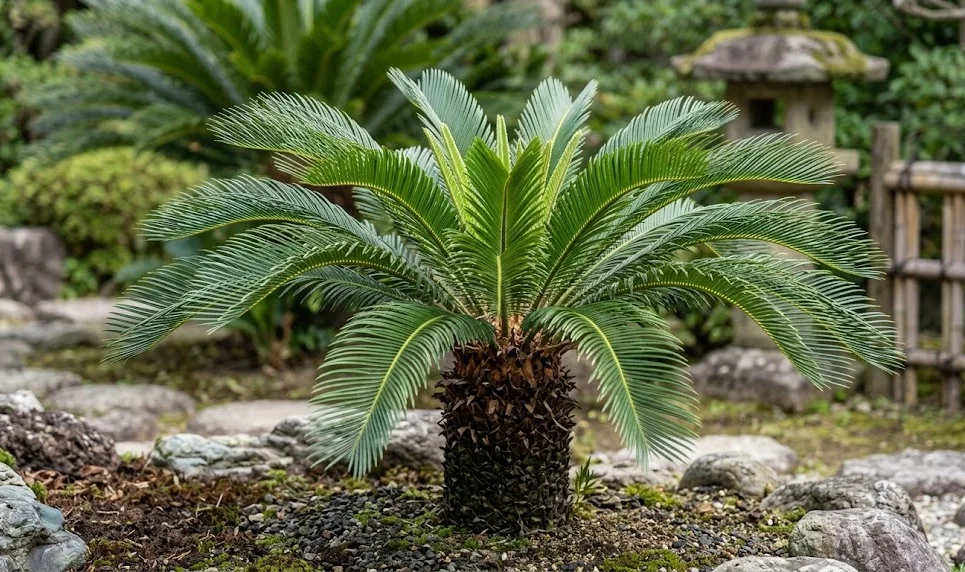
The physical structure of this plant is defined by a sturdy, woody trunk that stores essential nutrients and moisture for survival. Its stiff, feathery fronds emerge in a circular pattern, creating a symmetrical crown that is aesthetically pleasing in any landscape design. You will notice that new leaves usually appear in a single “flush” once per year or even less frequently depending on the environment. Understanding that this species grows extremely slowly is the first step in becoming a successful and satisfied owner.
The lifespan of a well-maintained specimen can exceed one hundred years, making it a potential heirloom for future generations. Because it develops so gradually, every single leaf is precious and should be protected from physical damage or environmental stress. The trunk itself becomes more textured and impressive as the plant ages, eventually reaching several feet in height after many decades. It is important to respect the natural rhythm of the plant and not try to force rapid growth through excessive intervention.
Domestic cultivation often involves keeping the plant in a container to control its size and facilitate movement between indoor and outdoor spaces. In its natural habitat, it can withstand harsh conditions, but in a garden setting, it appreciates a more balanced and stable environment. The deep green color of the foliage is a primary indicator of the plant’s overall health and vigor. Keeping the leaves clean and free from dust allows the plant to perform photosynthesis more efficiently throughout the year.
The reproductive process of these cycads is dioecious, meaning individual plants are either male or female. While they rarely produce reproductive structures in a typical home setting, older garden specimens might develop large cones in the center of the crown. These cones are quite striking and represent a significant milestone in the plant’s developmental cycle. Observing these ancient biological processes provides a unique connection to the history of plant evolution on our planet.
More articles on this topic
Soil requirements for healthy development
Choosing the correct growing medium is perhaps the most critical factor in preventing root rot and ensuring long-term vitality. A standard potting mix is usually too heavy and retains too much moisture, which can be fatal for the delicate root system. You should look for or create a blend that offers exceptional drainage while still providing some organic matter for nutrition. A mixture of peat moss, perlite, and coarse sand often provides the ideal balance for a container-grown specimen.
The acidity of the soil should be slightly acidic to neutral, ideally falling within a pH range of 6.0 to 7.0. If the soil becomes too alkaline, the plant may struggle to absorb essential micronutrients, leading to yellowing or stunted growth. Regularly testing the soil or using specialized fertilizers designed for acid-loving plants can help maintain the proper chemical balance. Remember that the soil structure should remain loose and aerated even after multiple watering cycles.
Drainage can be further improved by adding inorganic materials like pumice or lava rock to the bottom of the planting hole or container. This prevents water from pooling around the base of the trunk, which is the most vulnerable part of the plant’s anatomy. When the soil is properly structured, oxygen can reach the roots easily, promoting a strong and resilient underground system. Over time, the organic components of the soil will break down, so you may need to refresh the top layers occasionally.
If you are planting directly in the ground, ensure the location is not in a low-lying area where rainwater tends to collect. Elevating the planting site slightly by creating a small mound can significantly reduce the risk of waterlogging during heavy storms. The goal is to mimic the rocky, well-drained slopes where these plants naturally evolve in their native regions. Professional gardeners often emphasize that for this species, the quality of the soil is more important than the quantity of water.
More articles on this topic
Humidity and air circulation needs
While these plants are quite resilient to dry air, they generally prefer a moderate level of humidity to maintain the luster of their fronds. In very dry indoor environments, especially during the winter heating season, the tips of the leaves may turn brown and brittle. You can mitigate this by placing the pot on a tray filled with pebbles and water or by using a humidifier in the vicinity. Misting the leaves occasionally can also help, though it should be done early in the day to allow the foliage to dry completely.
Air circulation is another vital component of a healthy environment, as stagnant air can encourage the growth of mold or attract unwanted pests. If the plant is kept indoors, ensure it is not placed in a completely enclosed corner where air cannot move freely. However, you must also avoid placing it directly in the path of cold drafts or the intense heat from a radiator. A gentle, consistent movement of air helps the plant regulate its temperature and prevents moisture from sitting too long on the leaves.
Outdoor specimens usually benefit from natural wind, which strengthens the trunk and keeps the crown clear of debris. In regions with very high humidity, extra care must be taken to ensure that the crown of the plant does not trap water, which can lead to rot. If you notice a persistent dampness in the center of the plant, you might need to adjust its position to a more ventilated area. Proper spacing between plants in a garden also ensures that each individual receives adequate airflow.
During the summer months, moving your container plant to a balcony or terrace can provide the fresh air it craves after a winter indoors. This transition should be gradual to avoid shocking the plant with sudden changes in temperature or air movement. The natural fluctuations in outdoor humidity levels often stimulate the plant and can even trigger the production of a new flush of leaves. Always monitor the plant’s reaction to its environment and be ready to move it if the conditions become too extreme.
Potting and repotting strategies
Because this species grows so slowly, it does not require frequent repotting like many other tropical houseplants. In fact, these plants often perform better when their roots are slightly confined, which helps prevent overwatering issues. You should only consider moving the plant to a larger container when the roots begin to push through the drainage holes or the plant becomes top-heavy. Generally, repotting every three to five years is sufficient for a young specimen, while older plants can go even longer.
When selecting a new pot, choose one that is only slightly larger than the current one, typically two to three inches wider in diameter. The container must have large, clear drainage holes to allow excess water to escape immediately after irrigation. Terra cotta or unglazed ceramic pots are excellent choices because they are porous and allow the soil to breathe more effectively than plastic alternatives. A heavy pot also provides much-needed stability for a plant with a dense and heavy crown of leaves.
The best time to repot is in the spring or early summer when the plant is entering its active growing phase. Carefully remove the plant from its old container, taking care not to damage the thick, fleshy roots or the sensitive growing point in the center. If you find any dead or mushy roots, trim them away with sterilized shears before placing the plant in the new soil. Center the trunk in the new pot and fill the gaps with fresh potting mix, pressing down firmly but not excessively.
After repotting, water the plant thoroughly to settle the soil and eliminate any large air pockets around the roots. Place the plant in a shaded area for a week or two to allow it to recover from the stress of the move before returning it to its usual bright location. Do not fertilize for at least a month after repotting, as the fresh soil already contains some nutrients and the roots need time to establish themselves. Patience during this transition period is key to preventing transplant shock.
Understanding growth habits and leaf flushes
One of the most exciting moments for a gardener is witnessing the emergence of a new flush of leaves from the center of the trunk. These young fronds are soft, light green, and extremely delicate, slowly uncoiling like a set of fern croziers. During this period, the plant is very sensitive to touch and environmental changes, so it is best to leave it undisturbed. Any physical contact or sudden shift in light can cause the new leaves to become permanently distorted or stunted.
A typical flush involves several leaves growing simultaneously in a symmetrical pattern to maintain the plant’s balanced appearance. Depending on the age and health of the specimen, you might see anywhere from three to over twenty new leaves in a single cycle. If your plant is not producing new growth every year, do not be discouraged, as it may be focusing its energy on root development or trunk expansion. Consistency in care is the best way to encourage regular and healthy leaf production.
The hardening process of the new leaves takes several weeks, during which they gradually turn a darker green and become stiff and waxy. Once the leaves have fully matured, they are much more resistant to damage and can handle more intense light. If the new leaves appear unusually long or stretched out, it is often a sign that the plant is not receiving enough light during the growth phase. Providing ample brightness during this critical time ensures that the new crown remains compact and aesthetically pleasing.
It is normal for the oldest, lowest leaves to eventually turn yellow and die as the plant grows taller. This is part of the natural aging process and does not necessarily indicate a problem with the plant’s health. You can carefully remove these dead leaves once they have completely dried out to maintain a clean appearance and prevent pests from nesting. Always use clean, sharp tools to make precise cuts close to the trunk without damaging the bark.
Strategic placement in the home and garden
Finding the perfect spot for your plant involves balancing its need for high light with its sensitivity to extreme temperatures. In an indoor setting, a south-facing window is usually the best choice, provided there is some protection from the most intense midday sun. If the plant is placed too far from a light source, its growth will slow down significantly and the foliage may lose its vibrant color. Rotating the pot every few weeks ensures that all sides of the plant receive equal light and helps prevent a lopsided growth habit.
In the garden, this species can serve as a stunning focal point or a structural element in a Mediterranean-style landscape. It pairs beautifully with succulents, ornamental grasses, and other drought-tolerant plants that share its environmental preferences. When planting outdoors, consider the mature size of the plant, even though it will take many years to reach its full potential. Give it enough space so that its sharp-tipped fronds do not interfere with walkways or other high-traffic areas.
The plant’s sculptural form makes it an ideal candidate for large architectural containers on patios or near entryways. These containers allow you to elevate the plant, highlighting its unique trunk and symmetrical crown of leaves. During the summer, ensure that the pot does not overheat, as extremely high temperatures can bake the roots inside the container. Using light-colored pots or placing them in a position where the container itself is shaded while the foliage is in the sun can help.
In colder climates, placement must consider the ease of moving the plant indoors when the temperatures begin to drop. Keeping the plant on a rolling trolley can make this seasonal transition much easier for larger, heavier specimens. Always check the weather forecast during the transition periods of spring and autumn to avoid accidental exposure to late or early frosts. A well-planned placement strategy maximizes the plant’s aesthetic impact while ensuring its physical well-being.
Longevity and heirloom potential
When you care for this ancient species, you are essentially maintaining a piece of natural history in your own home. With the right conditions, these plants can live for many decades, often outliving the people who originally planted them. This longevity makes them highly valued in the nursery trade and a source of pride for dedicated plant enthusiasts. Seeing a specimen grow from a small pup to a majestic, multi-trunked plant is a rewarding experience that spans many years.
Because they grow so slowly, large and mature specimens can be quite expensive to purchase, reflecting the years of care required to reach that size. Protecting your investment involves regular monitoring for pests and diseases, as well as providing consistent, high-quality nutrition. Many families pass these plants down through generations, making them a living connection to ancestors and family history. Proper documentation of the plant’s age and history can add to its sentimental and even financial value.
The resilience of the species allows it to survive periods of neglect that would kill many other ornamental plants. However, consistent and mindful care will always result in a much more beautiful and vigorous specimen. Even if the plant loses all its leaves due to extreme stress, the trunk often remains alive and can sprout new growth if conditions improve. This incredible survival instinct is one of the reasons the species has existed for millions of years despite changing global climates.
By understanding the unique needs and rhythms of the plant, you can ensure it remains a healthy and vibrant part of your environment for a lifetime. Share your knowledge with others and perhaps gift a small offset to a friend to spread the appreciation for these prehistoric wonders. Cultivating a sago palm is a lesson in patience and long-term thinking that is rare in our fast-paced modern world. Treat it with the respect an ancient survivor deserves, and it will reward you with its timeless beauty.