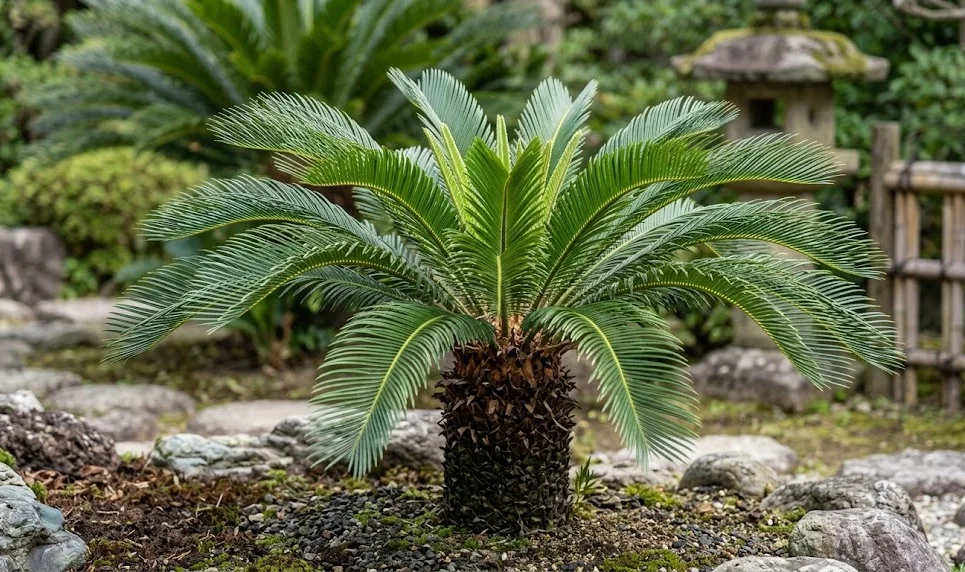

Understanding the light requirements of the sago palm is essential for maintaining its health and iconic symmetrical form. These plants are native to regions with abundant sunshine, and their biological processes are deeply tuned to the energy provided by the sun. However, the transition between different light environments can be a challenge for this slow-growing species. Providing the right amount of illumination is the most effective way to ensure a compact, vibrant, and resilient specimen in any setting.
Optimal light levels for growth
In a perfect world, these plants thrive in bright, indirect light or filtered sunlight for most of the day. In many climates, they can handle full sun once they are properly acclimated, which promotes a more compact growth habit and a sturdier trunk. When grown in high light, the fronds tend to be shorter, stiffer, and more densely packed, creating the classic architectural look that many gardeners desire. If you have the space, a spot that receives morning sun and afternoon shade is often considered the “gold standard” for this species.
If you are growing your sago palm indoors, it is almost impossible to provide too much light, and a south-facing window is usually the best location. The intensity of light indoors is much lower than outdoors, so the plant needs to be as close to the glass as possible. If the light is insufficient, the plant will grow very slowly, and its leaves may lose their deep green luster over time. You might even notice the plant leaning toward the light source, which is a clear signal that it needs a brighter environment.
Using artificial grow lights can be a successful strategy for those living in darker homes or during the short days of winter. Modern LED grow lights can provide the specific spectrum of light the plant needs without generating excessive heat that could dry out the foliage. Position the lights a few feet above the crown and keep them on for twelve to fourteen hours a day to mimic a natural summer cycle. This extra boost can be particularly helpful for triggering a new flush of leaves in a plant that has been stagnant.
When the plant is producing a new flush of leaves, its light requirements become even more critical and sensitive. The emerging fronds will stretch and become unnaturally long and weak if they are not receiving enough light during this phase. This process, known as etiolation, is irreversible for that specific set of leaves and can ruin the plant’s symmetry for years. Ensuring maximum brightness during the few weeks when new leaves are forming is the best way to maintain a beautiful, balanced specimen.
More articles on this topic
Transitioning and avoiding sun damage
While these plants love light, they are highly sensitive to sudden changes in their environment, particularly when moving from shade to sun. If a plant that has spent months in a dim corner is suddenly placed in direct summer sun, its leaves will likely experience severe sunburn. This appears as bleached, yellow, or brown patches on the upper surface of the leaflets, which are permanent and will not turn green again. To avoid this, any move to a brighter location must be done gradually over a period of several weeks.
Start the transition by placing the plant in a fully shaded outdoor spot for a few hours a day, then slowly increase the exposure to dappled light. Over the course of ten to fourteen days, you can gradually move it into more direct sunlight, monitoring the leaves for any signs of stress. This “hardening off” process allows the plant to build up its protective waxy coating and adjust its internal chemistry to handle the higher energy levels. The same caution should be applied when moving a plant back indoors after a summer outside.
In regions with extremely intense afternoon sun and high temperatures, even an acclimated sago palm might benefit from some light shade during the hottest part of the day. The goal is to provide enough energy for growth without overwhelming the plant’s ability to regulate its temperature. If you notice the leaves looking dull or slightly yellowish during a heatwave, it might be a sign that the light intensity is currently too high. Providing a temporary shade cloth can offer much-needed relief during these extreme periods.
Proper orientation in its permanent spot is also important for the long-term symmetry of the plant. If the light always comes from one direction, the plant will eventually grow lopsided as it reaches for the sun. To prevent this, rotate container-grown plants by ninety degrees every few weeks so that all sides of the crown receive equal illumination. This simple habit ensures that your sago palm maintains its beautiful, circular form as it slowly expands its trunk and foliage.
More articles on this topic
Signs of light stress and adjustments
Learning to read the subtle signals your plant sends about its light levels will help you make the necessary adjustments before serious problems occur. A plant that is not getting enough light will often have very long, arching fronds that look thin and lack the typical stiffness. The color may also become a paler green, and the overall growth rate will slow down to a near-standstill. If you see these signs, it is time to find a brighter home for your ancient companion or supplement with artificial lighting.
On the other hand, signs of too much light are usually more immediate and localized, appearing as scorched or bleached areas on the most exposed leaves. If only the top surface of the leaves is turning brown while the protected parts remain green, it is almost certainly a case of sunburn. In the garden, you might notice the leaflets curling inward as the plant tries to reduce its surface area and protect itself from intense radiation. These are clear indicators that the plant has reached its limit and needs a bit more protection.
Seasonal changes in the angle and intensity of the sun mean that a spot that was perfect in the spring might be too intense in the summer or too dark in the winter. Being an observant gardener means checking in on your plant’s light exposure throughout the year and being willing to move it if necessary. This is one of the many benefits of keeping sago palms in containers, as it gives you the flexibility to chase the best light. Your plant’s appearance is a living record of its environmental history, so aim for consistency and balance.
Ultimately, providing the right light is a partnership between you and your plant that evolves over time. As the plant grows taller and its crown expands, its relationship with its environment will naturally change. What worked for a small pup might not be sufficient for a mature specimen with a thick, towering trunk. By staying attentive to these changes and responding to the plant’s needs, you ensure it remains a healthy and striking feature of your home or garden.