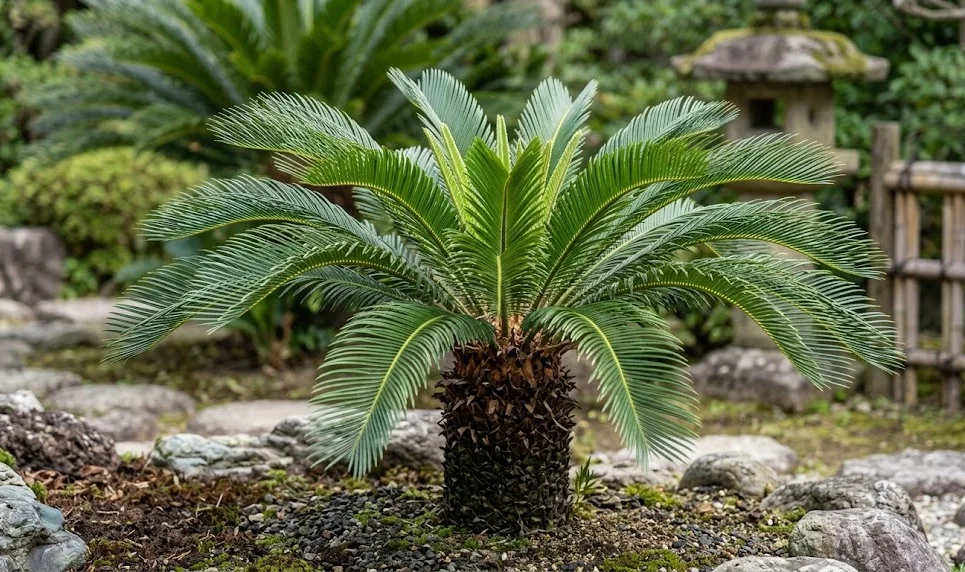

As the growing season comes to a close and the first hints of winter appear, the care requirements for your sago palm undergo a significant shift. These plants are relatively hardy for tropical-looking species, but they are not built to withstand prolonged freezing temperatures without assistance. Proper overwintering is a critical skill for anyone living in a climate where frost is a regular occurrence. By preparing your plant for the colder months, you ensure that it emerges in the spring with its structural integrity and health fully intact.
Understanding temperature limits and cold hardiness
In their native habitats, these plants can tolerate short bursts of cold, but prolonged exposure to temperatures below 15 to 20 degrees Fahrenheit can cause serious damage. The foliage is the most vulnerable part of the plant and will often turn brown and die if it experiences a hard freeze. However, the trunk is much more resilient and can often survive even if all the leaves are lost. Knowing the specific hardiness zone of your area is the first step in deciding how to protect your plant during the winter.
If you live in a region with mild winters, you may only need to provide temporary protection during the coldest nights. A heavy layer of mulch around the base of the trunk can help insulate the roots and protect the plant’s core from the cold. For container-grown plants, the risk is higher because the roots are not insulated by the mass of the earth. In these cases, moving the pot to a more sheltered location near a wall or under a porch can provide a few degrees of extra warmth.
For those in truly cold climates, the only reliable way to overwinter a sago palm is to bring it indoors before the first frost. The transition from the bright, humid outdoors to the drier, darker indoor environment should be managed carefully to avoid shocking the plant. Try to place it in a cool room with as much natural light as possible, such as a sunroom or a bright garage that stays above freezing. This allows the plant to enter a semi-dormant state where its metabolic needs are minimal.
If your plant is too large to move and must stay outdoors in a cold climate, you will need to construct a more substantial protective structure. Using burlap, frost blankets, or even specialized plant covers can help trap the earth’s heat around the specimen. Avoid using plastic directly against the leaves, as it can trap moisture and lead to rot or freeze the foliage where it touches the material. A well-constructed winter shelter can make the difference between a thriving plant and a dead trunk.
More articles on this topic
Reducing resources during the dormant period
One of the most important aspects of winter care is recognizing that the plant’s growth essentially stops during the cooler months. Because it is not producing new leaves or expanding its trunk, its need for water and nutrients drops significantly. You should stop all fertilization by late summer or early autumn to prevent the plant from producing tender new growth that would be easily killed by the cold. This allows the existing foliage to harden off and become as resistant as possible before winter arrives.
Watering should also be scaled back dramatically, as the soil will take much longer to dry out in cool temperatures and low light. Overwatering during the winter is a common mistake that leads to root rot because the plant cannot process the excess moisture. Always check the soil deep down before adding any water, and only do so when it is almost completely dry. The goal is to keep the roots alive without keeping the soil saturated for long periods.
In an indoor setting, the low humidity of heated homes can be a challenge for the plant, even during dormancy. While you want to keep the soil dry, you may need to provide some extra moisture to the air to prevent the leaf tips from browning. Placing the pot on a pebble tray or using a room humidifier can help maintain a more comfortable environment. Avoid misting the plant too often in the winter, as the water may not evaporate quickly enough and could encourage fungal growth.
The dormant period is also a time to leave the plant undisturbed, avoiding any major changes like repotting or heavy pruning. Let the plant rest and focus its energy on survival rather than growth until the days begin to lengthen in the spring. This natural cycle of rest and activity is vital for the long-term health and longevity of the species. By respecting the plant’s seasonal needs, you are following the same rhythm that has kept the species alive for millions of years.
More articles on this topic
Managing indoor transitions and light
When moving your sago palm indoors for the winter, finding the right balance of light and temperature is the key to success. Ideally, the plant should be placed in the brightest spot available, such as near a south-facing window. However, the temperature in that spot should be kept relatively cool, ideally between 50 and 60 degrees Fahrenheit. This combination of high light and cool temperatures mimics the plant’s natural winter environment and prevents it from trying to grow in sub-optimal conditions.
If the indoor location is too warm and dark, the plant may try to produce new leaves that will be weak, stretched out, and pale. This “etiolated” growth is unattractive and drains the plant’s energy reserves without providing much benefit. If you see new growth starting during the winter, try to move the plant to a brighter and cooler location to slow it down. It is much better for the plant to wait until spring to produce its next flush of healthy, robust foliage.
Dust can accumulate on the leaves during the winter, reducing the amount of light the plant can absorb for photosynthesis. Every few weeks, gently wipe the fronds with a damp cloth or give the plant a quick shower in the bathtub to keep the foliage clean. This also gives you a chance to inspect the plant for any indoor pests like spider mites or mealybugs that thrive in warm, dry houses. Catching these problems early during the winter prevents them from becoming major issues in the spring.
As spring approaches and the risk of frost passes, you can begin the process of moving the plant back outdoors. This transition should be very gradual, starting with a few hours in a shaded, protected spot and slowly increasing the exposure to light and wind. Sudden exposure to intense spring sun can easily burn the leaves that have spent the winter in a dimmer indoor environment. Patience during this “hardening off” phase is essential for a successful return to the garden.
Emergency cold care and recovery
If your sago palm is accidentally exposed to a sudden frost, do not panic and do not rush to cut off the damaged parts. The foliage may turn yellow or brown immediately, but this does not mean the entire plant is dead. Wait until the spring to see if the central growing point in the crown remains firm and green. Often, a plant that looks completely dead will sprout a fresh flush of leaves once the weather warms up and the roots begin to function again.
During the recovery period, it is important to be very careful with watering, as a plant with no leaves needs almost no moisture. Keep the trunk protected and provide a stable environment with plenty of indirect light to encourage the new growth. Avoid the temptation to over-fertilize in an attempt to “help” the plant recover, as this can burn the already stressed root system. Just provide basic care and give the plant the time it needs to heal itself according to its own slow schedule.
If the trunk itself feels soft or mushy after a freeze, the damage may be more severe and could indicate that the core has rotted. In some cases, you can save a partially rotted trunk by carving out the damaged tissue and treating the area with a fungicide, but this is a difficult process. It is always better to prevent this level of damage through proactive winter protection. A well-protected plant will almost always bounce back much faster and more vigorously than one that has been severely stressed.
Reflect on your overwintering experience each year and make adjustments to your strategy based on what you have learned. Perhaps you need a thicker frost blanket, or maybe a different room in your house provides a better winter environment. Every climate and every home is unique, and finding the perfect system for your sago palm is part of the journey of being a dedicated gardener. With proper care, your ancient companion will continue to thrive through many winters to come.