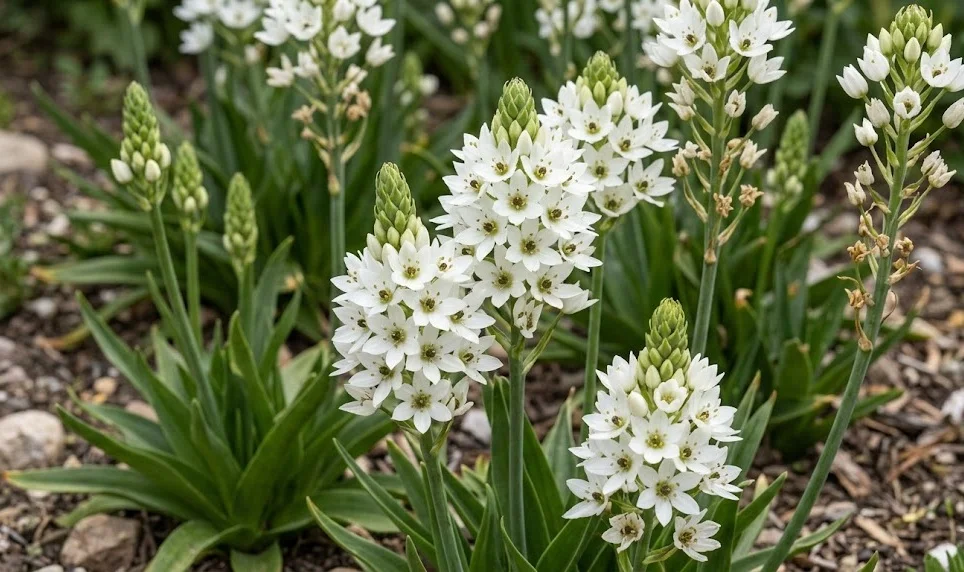

Proper hydration and nutrient management are the twin pillars of maintaining a healthy and productive garden specimen. The chincherinchee has adapted to a cycle of wet and dry periods, making its water requirements quite specific depending on the season. Overwatering is often more dangerous than underwatering, as the bulb is designed to survive short periods of drought. Providing the right balance of minerals at the correct time will ensure that the plant has the strength to produce its iconic white flowers.
During the initial growth phase in spring, the plant requires a steady supply of moisture to develop its leaves and roots. The soil should be kept consistently damp but never saturated to the point where air cannot reach the roots. As the foliage expands, the surface area for evaporation increases, meaning you may need to water more frequently during warm spells. Always aim the water at the base of the plant to keep the foliage dry and reduce disease risk.
Fertilization should be viewed as a supplement to, not a replacement for, healthy and well-structured garden soil. A plant that is over-fertilized often produces weak, lush growth that is more attractive to pests and prone to flopping over. The goal is to provide a steady, low-level supply of nutrients that supports natural development rather than forced growth. Understanding the role of nitrogen, phosphorus, and potassium will help you choose the right product for your specific needs.
As the season progresses toward the blooming period, the nutritional needs of the plant shift toward supporting the floral structures. This is the time when specialized fertilizers can make a noticeable difference in the quality and longevity of the display. However, once the flowering is finished, the application of nutrients must be carefully managed to avoid interfering with dormancy. A disciplined approach to feeding and watering is the hallmark of a truly skilled and professional gardener.
Establishing a watering routine
The frequency of watering depends heavily on the type of soil you have and the prevailing weather conditions in your area. Sandy soils drain quickly and will require more frequent hydration than heavier, organic-rich garden loams. You should always check the moisture level by inserting your finger into the soil before reaching for the watering can. If the soil feels moist an inch below the surface, it is usually best to wait another day or two.
More articles on this topic
Morning is the absolute best time to water your plants because it allows any accidental moisture on the leaves to evaporate quickly. Watering in the evening can leave the foliage damp overnight, which creates a perfect environment for fungal spores to germinate. High-pressure hoses should be avoided, as they can disturb the soil and potentially damage the tender young shoots. A gentle watering can or a drip irrigation system provides a much more controlled and beneficial application of water.
During the peak heat of summer, the plant may show signs of temporary wilting in the afternoon, but this is often a defense mechanism. Check the soil again in the evening or early next morning to see if the plant has naturally recovered its turgidity. If the soil is truly dry, a deep soaking is more effective than frequent, shallow sprinklings that only wet the surface. Deep watering encourages the roots to grow further down into the soil, making the plant more drought-resistant.
When the flowers begin to fade and the leaves start their natural yellowing process, you must begin to scale back the watering. The plant’s metabolism is slowing down, and it no longer needs the same volume of water to sustain itself. Eventually, as the foliage dies back completely, the watering should stop entirely to allow the bulb to rest in dry soil. This dry period is essential for preventing rot and ensuring the bulb remains healthy until the next growing season.
Water quality and techniques
The quality of the water you use can have a subtle but long-term impact on the health of the soil and the plant. Rainwater is the ideal choice as it is naturally soft and free from the chemicals often found in municipal tap water. If you must use tap water, letting it sit in an open container for twenty-four hours can help some of the chlorine dissipate. Avoid using softened water, as the high salt content can build up in the soil and damage the sensitive roots.
More articles on this topic
Using a mulch layer around the base of the plants can significantly reduce the amount of water lost to evaporation. Organic mulches like shredded bark or straw also help to keep the soil temperature stable during hot summer days. This keeps the bulbs cool and reduces the stress on the plant, leading to a more consistent and healthy growth pattern. Ensure the mulch is not touching the stems directly to prevent any moisture-related rot at the soil line.
Drip irrigation is a highly professional way to manage water, as it delivers moisture directly to the root zone with minimal waste. This method keeps the flowers and leaves completely dry, which is a major advantage in preventing leaf spot diseases. You can set these systems on a timer to ensure consistent delivery even when you are away from the garden. It is a more sustainable approach that conserves water while providing exactly what the plant needs to flourish.
In container gardening, the watering technique must be even more precise due to the limited volume of the potting medium. Pots can dry out in a single afternoon during a heatwave, so daily monitoring is often necessary in the summer. Always water until you see liquid coming out of the drainage holes to ensure the entire root ball is hydrated. If the soil has become so dry that it pulls away from the sides of the pot, soak the entire container in a basin of water.
Understanding nutrient requirements
The three primary nutrients—nitrogen, phosphorus, and potassium—play distinct roles in the life of a bulbous plant like the chincherinchee. Nitrogen is responsible for the green, leafy growth that acts as the plant’s solar panels during the spring. Phosphorus is the key element for root development and the initiation of the complex flowering process. Potassium helps with overall plant health, water regulation, and the strengthening of the plant’s internal cellular structures.
A balanced fertilizer with an N-P-K ratio such as 10-10-10 is usually sufficient for general maintenance in most garden settings. However, some professionals prefer a formula slightly higher in phosphorus and potassium as the blooming season approaches. Bone meal is a popular organic source of phosphorus that can be mixed into the soil at the time of planting. It breaks down slowly over time, providing a steady supply of nutrients throughout the entire growing season.
Micronutrients like magnesium, iron, and calcium are also essential, though they are needed in much smaller quantities by the plant. Most high-quality commercial fertilizers include these trace elements to prevent common deficiencies that can cause leaf discoloration. If your leaves are turning yellow while the veins remain green, it might be a sign of iron chlorosis. A simple soil test can help you identify exactly which minerals are lacking in your specific garden environment.
The timing of fertilizer application is just as important as the type of product you choose to use. Start feeding the plants when the first leaves are about three inches tall to support the rapid spring expansion. Stop all fertilization once the flowers have finished blooming to avoid stimulating late-season growth that won’t have time to mature. Over-feeding late in the year can also make the bulbs more susceptible to rotting during their dormant period.
Application methods for fertilizers
Granular fertilizers are easy to apply and provide a slow-release source of nutrients that lasts for several weeks. Scatter the granules evenly around the base of the plant, being careful not to let them touch the foliage or stems. Use a small hand rake to gently work the granules into the top inch of the soil to prevent them from washing away. Always water the area thoroughly after applying granular products to help the nutrients move down toward the roots.
Liquid fertilizers offer a more immediate boost and are particularly useful for plants grown in containers or poor soils. You can mix the concentrated liquid with water according to the package instructions and apply it during your regular watering. This method ensures that the nutrients are evenly distributed and immediately available for the plant to absorb. Be careful not to exceed the recommended dosage, as concentrated salts can dehydrate and damage the delicate root hairs.
Foliar feeding is a technique where diluted fertilizer is sprayed directly onto the leaves for rapid absorption of specific nutrients. While not a primary feeding method, it can be useful for quickly correcting minor mineral deficiencies during the peak season. Only use this method in the early morning or on cloudy days to prevent the sun from burning the wet leaves. It is important to ensure the undersides of the leaves are also coated, as this is where many of the stomata are located.
Organic options like compost tea or seaweed extract are excellent for those who prefer a more natural approach to gardening. These liquids are rich in beneficial microbes and hormones that stimulate healthy root growth and improve soil structure. They are generally milder than synthetic fertilizers and are much less likely to cause nutrient burn if used slightly in excess. Building long-term soil health with organic matter is the best way to ensure the continued success of your bulbs.
Monitoring and adjusting care
Every garden has its own unique microclimate, which means a generic schedule may need some fine-tuning for your specific location. Keep a garden diary to record when you water and fertilize, as well as the plant’s response to these actions. Over time, you will start to see patterns and learn to anticipate the needs of your plants before they show signs of stress. Observing the color and texture of the leaves is the most reliable way to gauge the effectiveness of your care routine.
Signs of over-fertilization include burnt leaf edges, an accumulation of white crusty salts on the soil surface, and stunted growth. If you suspect you have over-applied nutrients, you can flush the soil with large amounts of plain water to leach the salts away. It is always better to under-fertilize than to over-do it, as a lean plant is often more resilient than a bloated one. Professional growers often use half-strength solutions to ensure they are providing just enough for the plant to thrive.
The environmental conditions can change rapidly, so be prepared to adjust your watering and feeding schedule accordingly. A particularly rainy spring may mean you don’t need to water at all, but it might also wash away some of the surface nutrients. Conversely, a prolonged drought will require you to be more diligent with the watering can to prevent the soil from cracking. Flexibility and observation are the keys to maintaining the perfect balance of resources for your chincherinchee.
As the plant concludes its yearly cycle, take a moment to reflect on what worked well and what could be improved. Did the flowers last as long as expected, or did the foliage turn yellow prematurely due to a lack of nitrogen? Use these observations to plan your strategy for the next year, perhaps adjusting the timing or the type of fertilizer used. Consistent care and a willingness to learn from the plants will eventually lead to a spectacular and healthy garden display.