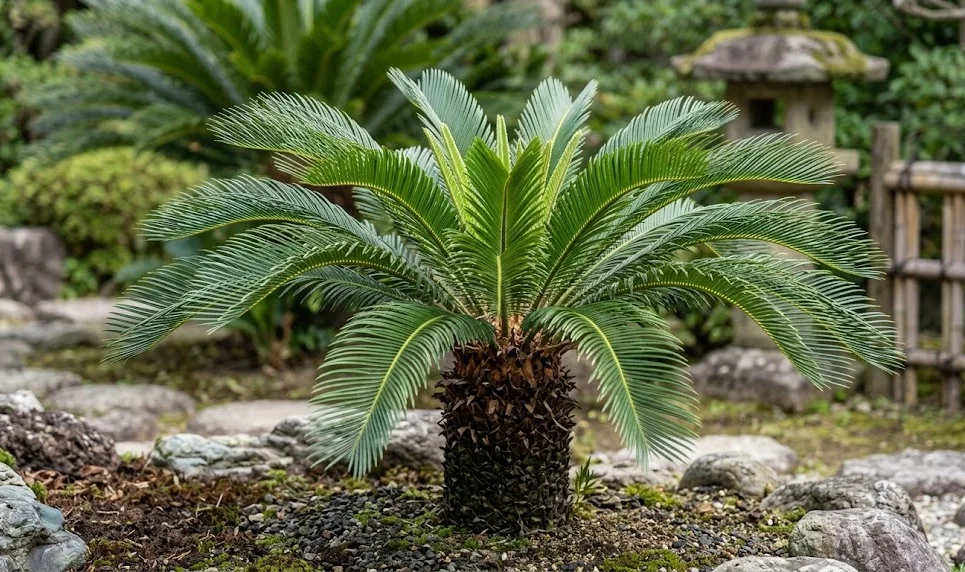

Proper hydration and nutrition are the twin pillars of maintaining a vibrant and healthy sago palm over its long life. Because these plants have evolved to survive in environments with unpredictable rainfall, they have developed specialized mechanisms for storing water and nutrients. However, in a domestic or garden setting, the responsibility falls on the gardener to provide a consistent and balanced regimen. Finding the “sweet spot” between underwatering and overwatering is the most important skill you can develop for this specific species.
Principles of effective watering
The most common cause of failure with this species is excessive watering, which leads to root rot and the eventual collapse of the plant. These plants prefer to have their soil dry out significantly between watering cycles, mimicking the natural dry periods of their native habitats. Before adding any water, always check the moisture level of the soil by inserting your finger several inches deep into the pot or ground. If the soil feels moist to the touch, it is best to wait a few more days before checking again.
When you do water, it should be done thoroughly, allowing the water to saturate the entire root ball and drain out through the bottom. This “drench and dry” method encourages the roots to grow deep into the soil in search of moisture, making the plant more resilient. Avoid light, frequent watering that only wets the surface, as this can lead to a shallow and weak root system. During the hot summer months, the plant will naturally require more water, but the rule of letting the soil dry out still applies.
The quality of the water you use can also impact the health of the plant over time. While they are generally not as sensitive as some other tropical plants, highly chlorinated or very hard water can cause mineral buildup in the soil. If possible, use rainwater or filtered water, especially for indoor specimens that are not flushed out by natural rain. If you must use tap water, letting it sit out overnight can help some of the chemicals evaporate before you apply it to the plant.
Seasonality plays a major role in the plant’s water requirements, as its metabolism slows down significantly during the cooler months. In the winter, you should reduce the frequency of watering even further, as the soil will take much longer to dry out. It is better to err on the side of caution and keep the plant slightly too dry rather than too wet during its dormant period. Always pay attention to the plant’s appearance, as wilting or drooping fronds can sometimes be a sign of extreme thirst, though this is rare.
More articles on this topic
Fertilizer types and application methods
To maintain the deep green color and structural integrity of the leaves, a regular fertilization schedule is necessary during the growing season. However, these plants are slow feeders and can be easily damaged by an overdose of chemicals. You should use a high-quality, slow-release fertilizer that is specifically formulated for palms or cycads. These products usually contain a balanced ratio of nitrogen, phosphorus, and potassium, along with essential micronutrients like magnesium and manganese.
The best time to apply fertilizer is in the early spring, just as the plant is beginning its active growth phase. A second application in the early summer can provide an additional boost to help the plant through the hottest part of the year. Always follow the manufacturer’s instructions regarding the amount to use, and it is often safer to apply a slightly lower dose than recommended. Granular fertilizers should be spread evenly around the base of the plant, avoiding direct contact with the trunk.
Micronutrients are particularly important for this species, as deficiencies can lead to unsightly yellowing or spotting on the leaves. Manganese deficiency is a common problem that manifests as “frizzle top,” where new leaves emerge yellow, distorted, and stunted. If you notice these symptoms, you may need to apply a specialized micronutrient supplement to correct the soil chemistry. Regularly checking the health of the new growth is the best way to determine if your fertilization plan is working.
Never apply fertilizer to dry soil, as this can cause chemical burns to the sensitive root system. Always water the plant thoroughly before and after applying fertilizer to help distribute the nutrients and protect the roots. During the autumn and winter months, you should stop all fertilization completely, as the plant is not actively growing and cannot process the extra nutrients. Resuming the schedule only when the weather warms up and the days get longer ensures the plant remains in sync with its natural cycle.
More articles on this topic
Managing nutrient deficiencies
Understanding the visual cues of nutrient deficiency can help you address problems before they cause permanent damage to the foliage. Yellowing of the older leaves is often a sign of magnesium deficiency, which can be corrected with a small amount of Epsom salts dissolved in water. However, keep in mind that old leaves naturally turn yellow as they die off, so look for patterns that affect multiple leaves simultaneously. Consistent monitoring allows you to distinguish between natural aging and nutritional imbalances.
If the new growth appears pale or yellowish instead of a healthy green, it might indicate a lack of nitrogen or iron. Iron chlorosis is common in alkaline soils where the plant cannot easily absorb the iron that is already present. In such cases, using a chelated iron supplement or slightly acidifying the soil can help make the nutrients more available to the roots. It is always better to address the underlying soil chemistry rather than just adding more fertilizer.
Potassium deficiency is another issue to watch for, often appearing as small yellow or orange spots on the fronds. Over time, these spots can merge and cause the entire leaf to turn brown and brittle. This is particularly common in sandy soils where nutrients are easily leached away by water. Using a fertilizer with a higher potassium content can help prevent this and ensure the plant has the strength to resist pests and diseases.
Always remember that changes in leaf color can take a long time to correct because the plant grows so slowly. Once a leaf is damaged by a deficiency, it may never regain its perfect green color, so your goal is to ensure the next flush of leaves is healthy. Patience is essential when adjusting your fertilization routine, as you may not see the results for several months. By maintaining a steady and balanced nutrient supply, you create a foundation for a long-lived and beautiful specimen.
Environmental factors affecting water and food
The amount of water and fertilizer your plant needs is directly influenced by its light exposure and temperature. A plant kept in full sun will naturally use up its water and nutrient reserves much faster than one kept in partial shade. If you move your plant to a brighter location, you should be prepared to increase your monitoring and potentially adjust your care routine. Conversely, a plant in a cooler, dimmer spot will need significantly less intervention to stay healthy.
Humidity also plays a role in how quickly the soil dries out and how much moisture the leaves lose through transpiration. In very dry environments, the plant may benefit from occasional deep watering even if it is not in full growth mode. However, you must always be careful not to let the soil become waterlogged, regardless of the humidity levels. The interaction between air movement and temperature also affects the evaporation rate from both the pot and the plant itself.
The type of container you use will also dictate your watering frequency, as terra cotta pots lose moisture through their walls much faster than plastic ones. If you are growing a sago palm in a porous pot, you may find yourself watering more often than someone using a sealed ceramic container. Understanding these variables allows you to customize your care plan to fit your specific home or garden environment. There is no one-size-fits-all schedule, so being observant is your most powerful tool.
Finally, consider the age and size of your plant when determining its needs. A young, small plant in a small pot has less capacity to store water and may need more frequent attention than a massive, mature specimen with a thick trunk. Larger plants are generally more drought-tolerant and can survive longer periods without intervention. By tailoring your watering and fertilization to the specific stage of your plant’s life, you ensure it has exactly what it needs to thrive.
Signs of overwatering and recovery
Recognizing the early signs of overwatering can save your plant from a fatal case of root or crown rot. If you notice that the leaves are turning a dull yellow or the base of the trunk feels soft and mushy, stop watering immediately. A persistent smell of decay from the soil is another clear indicator that the roots are suffocating in too much water. At this stage, quick action is necessary to dry out the soil and potentially treat the plant with a fungicide.
In severe cases, you may need to remove the plant from its pot to inspect the root system directly. Healthy roots should be firm and light-colored, while rotted roots will be black, slimy, and have a foul odor. Carefully trim away all damaged roots with sterilized tools and repot the plant in fresh, dry soil. Do not water the plant for at least a week after this procedure to allow the remaining roots to heal and recover.
Improving the drainage of the container or the planting site is the best way to prevent future overwatering issues. You might need to add more perlite or sand to the mix or choose a pot with larger drainage holes. It is also a good idea to reconsider your watering habits and ensure you are truly letting the soil dry out between sessions. Sometimes, simply moving the plant to a more ventilated area can help the soil dry more efficiently after watering.
Recovering from overwatering is a slow process, and the plant may not show signs of new growth for a long time. It is important to be patient and avoid the temptation to “help” the plant with extra fertilizer or more water. Just provide a stable environment with plenty of indirect light and let the plant’s natural resilience take over. With time and the right adjustments to your care routine, even a badly overwatered sago palm can eventually make a full recovery.