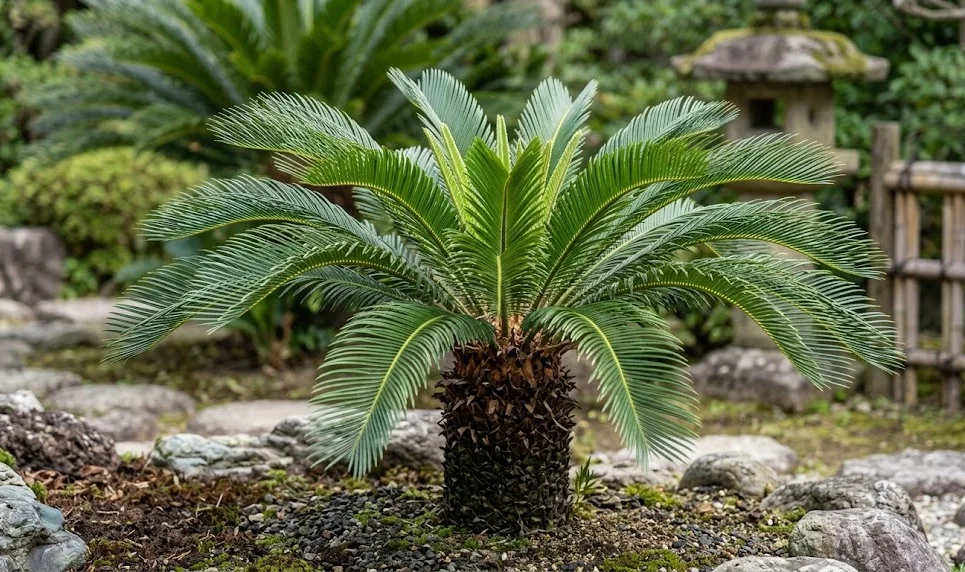

Pruning a sago palm is a task that combines aesthetic refinement with the practical health management of the specimen. Because this species grows so slowly, every cut you make is a long-term decision that will be visible for years to come. Unlike many garden shrubs that can be sheared back aggressively, this ancient plant requires a more surgical and thoughtful approach. Mastering the art of pruning will help you maintain the plant’s legendary symmetry and protect it from potential pests and diseases.
When and why to prune
The primary reason to prune this species is to remove old, dead, or damaged fronds that no longer contribute to the plant’s beauty or health. As the plant grows, the lowest circle of leaves will naturally turn yellow and then brown as they reach the end of their lifespan. Removing these spent leaves keeps the plant looking tidy and prevents the accumulation of debris where pests like to hide. It also highlights the texture and character of the woody trunk, which is a major part of the plant’s architectural appeal.
You might also need to prune if the plant has suffered from environmental stress, such as frost damage or a severe pest infestation. In these cases, removing the affected leaves can help the plant focus its energy on producing a new, healthy flush of growth. However, you should never prune just for the sake of it, as the plant uses its existing leaves to store nutrients and perform photosynthesis. Each green leaf is a valuable asset that helps the slow-growing trunk expand and stay strong.
The best time to prune is in the late winter or early spring, just before the new growth begins to emerge from the crown. This timing allows the plant to quickly cover the pruning scars with the next flush of leaves, maintaining its balanced appearance. If you prune during the peak of the growing season, be careful not to damage the soft, emerging fronds in the center of the plant. Always approach the task with a clear plan and the understanding that you cannot undo a cut once it has been made.
Some gardeners also choose to prune the reproductive cones that occasionally appear in the center of mature plants. While these cones are a natural part of the plant’s life cycle, they can be large and may disrupt the symmetrical look of the foliage. Removing them is purely a matter of personal preference and does not harm the plant if done carefully. Whether you prune for health or for style, the goal is always to support the plant’s natural form and long-term vitality.
More articles on this topic
Tools and techniques for precision
To achieve the best results, you must use sharp, high-quality pruning shears or a small hand saw for larger, thicker stems. Clean, precise cuts are essential because they heal faster and are less likely to become an entry point for fungal or bacterial infections. Before you begin, always sterilize your tools with rubbing alcohol or a mild bleach solution to prevent the spread of diseases. This is a simple but vital step that every professional gardener follows to protect their collection.
When removing a frond, make the cut as close to the trunk as possible without damaging the bark of the trunk itself. This leaves a clean “leaf base” that will eventually dry up and become part of the trunk’s characteristic textured surface. Avoid leaving long stubs, as these can look unsightly and may provide a nesting spot for insects or trap moisture against the trunk. A well-executed cut should be smooth and slightly angled to allow any water to run off the surface.
If you are dealing with a plant that has been severely damaged by frost, resist the urge to cut everything off immediately. Wait until the spring to see exactly which parts of the leaves are truly dead and which might still have some life in them. Sometimes, only the tips are killed, and the rest of the leaf can continue to function for a while. Once the new flush of leaves is well underway, you can then safely remove all the old, damaged foliage to refresh the plant’s appearance.
Safety is also a consideration when pruning, as the tips of the leaflets are very stiff and can be quite sharp. Wearing sturdy gloves and long sleeves will protect your hands and arms from scratches while you work within the dense crown. If the plant is very large, you might even want to wear eye protection to guard against accidental pokes from the needle-like leaves. Treating the pruning process with respect ensures that both you and the plant come through the experience safely.
More articles on this topic
Maintaining symmetry and long-term form
The iconic look of the sago palm depends on its perfect, radiating symmetry, which can be easily disrupted by improper pruning. Always step back and look at the plant from several angles before making a cut to ensure you are maintaining a balanced shape. It is usually best to remove entire “rings” of leaves from the bottom rather than taking individual leaves from different spots. This creates a clean, tiered effect that enhances the plant’s natural architectural structure.
If the plant has grown lopsided due to uneven light, pruning alone cannot fix the problem, but it can help manage the appearance. In such cases, you should focus on improving the light situation while carefully removing the most distorted leaves. Over time, as the plant produces new flushes in a better environment, the symmetry will gradually return. Patience is your greatest ally when trying to reshape a plant that grows only a few inches or a single flush of leaves per year.
Removing the offsets or “pups” from the base of the trunk is another form of pruning that helps maintain the clean lines of the main specimen. While these pups are a great way to propagate the plant, leaving too many of them can make the base look cluttered and hide the beauty of the trunk. Periodically thinning out these offsets allows the parent plant to stand out and ensures that air can circulate freely around the base. You can then pot up the removed pups to grow as new individual plants.
Ultimately, the best pruning strategy is one of “less is more,” reflecting the slow and steady nature of this prehistoric species. By only removing what is truly necessary and doing so with precision and care, you respect the plant’s long history and future potential. A well-pruned sago palm is a testament to the gardener’s patience and attention to detail. Treat each pruning session as a moment of quiet connection with a living fossil that has seen the world change over millions of years.