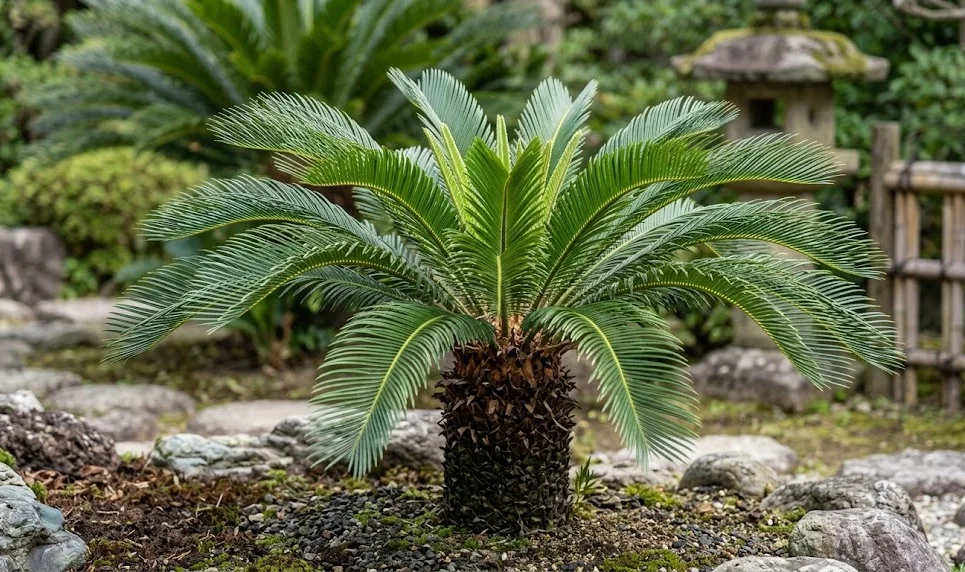

While the sago palm is a remarkably tough survivor that has endured for millions of years, it is not entirely immune to the challenges of pests and diseases. In a garden or indoor setting, certain environmental stresses can weaken the plant’s natural defenses, making it more susceptible to attack. Identifying problems early is the key to successful treatment and preventing permanent damage to the beautiful, slow-growing foliage. A proactive approach to plant health will ensure that your ancient specimen remains a centerpiece of your collection for a lifetime.
Common insect pests and their management
The most frequent pest problem for this species is the scale insect, which appears as small, waxy bumps on the underside of the leaves or along the trunk. These tiny parasites suck the sap from the plant, leading to yellowing, weakened growth, and a generally unthrifty appearance. Cycad Aulacaspis scale is a particularly aggressive variety that can quickly cover an entire plant with a white, crusty layer if left unchecked. Regular inspection of the hidden parts of the fronds is essential for catching these invaders before they multiply.
Mealybugs are another common nuisance, often found hiding in the tight crevices of the leaf bases or the crown of the plant. They look like small bits of white cotton and produce a sticky substance known as honeydew, which can lead to the growth of sooty mold. You can treat minor infestations by dabbing the insects with a cotton swab dipped in rubbing alcohol. For more widespread problems, applying an insecticidal soap or a horticultural oil can be very effective without harming the plant.
Spider mites may also become a problem, especially in dry indoor environments where there is little air movement. These microscopic pests cause fine stippling or bronzing on the leaves and may create delicate webs between the fronds in severe cases. Increasing the humidity around the plant and occasionally washing the leaves with a gentle stream of water can help keep mite populations under control. If the infestation persists, a specialized miticide may be necessary to protect the foliage from further damage.
When using any chemical treatments, it is vital to apply them during the cooler parts of the day and avoid direct sunlight to prevent leaf burn. Always test a small area of the plant first to ensure it does not have an adverse reaction to the product. Consistency is key, as most pests have life cycles that require multiple treatments to fully eradicate. By keeping your plant healthy and well-fed, you give it the best chance to naturally resist these common insect invaders.
More articles on this topic
Fungal and bacterial issues
Root rot and crown rot are the most serious diseases affecting these plants, almost always caused by excessive moisture and poor drainage. These fungal infections attack the base of the plant and the root system, causing the tissue to become soft, dark, and foul-smelling. If you notice the center of the plant turning brown or the leaves easily pulling away from the trunk, the rot has likely reached an advanced stage. Prevention through proper watering and soil management is far more effective than trying to cure a rotting plant.
Leaf spot fungi can also occur, particularly during periods of high humidity or when water is allowed to sit on the foliage for long periods. These appear as small, circular lesions that may have a yellow halo and can eventually cause parts of the leaf to die. Improving air circulation and avoiding overhead watering can significantly reduce the risk of these fungal outbreaks. If the spots continue to spread, applying a copper-based fungicide can help protect the healthy parts of the plant.
In some cases, bacterial infections can enter the plant through wounds caused by pruning or physical damage. These can cause localized areas of decay or strange growth patterns that may eventually affect the overall health of the specimen. Always use sterilized tools when cutting the plant and consider applying a protective sealant to large wounds on the trunk. Keeping the area around the base of the plant clean and free of decaying organic matter also helps minimize the risk of bacterial spread.
If you suspect a fungal or bacterial issue, it is often helpful to isolate the affected plant from the rest of your collection to prevent cross-contamination. Carefully remove any severely diseased foliage and dispose of it in the trash rather than the compost pile. In extreme cases of root rot, repotting the plant into completely fresh, sterile soil and treating the remaining roots with a fungicide may be the only way to save it. Patience and persistence are required when dealing with these persistent pathogens.
More articles on this topic
Nutrient deficiency symptoms vs. disease
It is very common for gardeners to mistake nutritional problems for diseases, as both can cause yellowing or spotting on the leaves. Manganese deficiency is often confused with a fungal infection because it causes new leaves to emerge yellow and distorted with brown necrotic spots. This condition, often called “frizzle top,” is a chemical issue that requires a specific micronutrient supplement rather than a fungicide. Learning to distinguish between these two types of problems will save you time and prevent unnecessary chemical use.
Nitrogen deficiency typically shows up as a general paling or yellowing of the older, lower leaves as the plant moves nutrients to the new growth. While this can look like a systemic illness, it is usually just a sign that the plant needs a more consistent fertilization schedule. Similarly, magnesium deficiency can cause yellow bands to appear on the leaflets, which is a structural issue within the plant’s metabolism. Regularly testing your soil’s pH can provide valuable clues about which nutrients may be unavailable to the plant.
Environmental stress, such as sudden changes in light or temperature, can also produce symptoms that mimic disease. Sunburn appears as bleached or brown patches on the upper surface of the leaves, often after a plant is moved from a shady spot to full sun. Cold damage may cause the foliage to turn a dull, greyish-green or brown, especially if the plant was exposed to a sudden frost. These are physical injuries rather than biological infections, and the best treatment is simply to provide a more stable environment.
Before starting any intensive treatment, take the time to evaluate the plant’s overall environment and care history. Has it been watered too much? Has it been fed recently? Is the light level appropriate? Often, simply adjusting your basic care routine will resolve what looked like a complex disease problem. By becoming a keen observer of your plant’s subtle changes, you can become an expert at diagnosing its needs.
Prevention and cultural controls
The best defense against any pest or disease is a strong, healthy plant that is grown in the correct conditions. When a sago palm is properly situated with the right light, soil, and water, its natural immune system is remarkably effective. Avoiding the stress caused by overwatering or extreme nutrient imbalances keeps the plant’s tissues firm and less attractive to many pests. Think of your care routine as a preventative medicine that keeps the plant’s defenses at their peak.
Sanitation is another critical part of disease prevention, especially in a crowded greenhouse or garden setting. Keep the area around the base of the plant clear of fallen leaves, weeds, and other debris that can harbor insects or fungal spores. If you notice a single leaf with an infestation or disease, removing it immediately can often prevent the problem from spreading to the rest of the plant. Always clean your gardening tools with alcohol or a bleach solution between uses on different plants.
When purchasing a new specimen, inspect it thoroughly for any signs of hitchhiking pests or suspicious leaf spots before bringing it home. It is often a good idea to quarantine new arrivals for a few weeks to ensure they are healthy before placing them near your established collection. This simple step can save you from a major outbreak that might affect all of your valuable plants. Being selective about where you buy your plants and how you introduce them to your home is a hallmark of an expert gardener.
Finally, remember that the slow growth of the species means that it can take a long time to recover from a major pest or disease event. Do not be discouraged if the plant looks less than perfect for a season or two after a successful treatment. As long as the trunk and the central growing point remain healthy, the plant has the capacity to produce a beautiful new crown of leaves. Focus on providing the best possible care moving forward, and let the plant’s ancient resilience do the rest.
Biological and organic treatment options
For many gardeners, using organic or biological methods is the preferred way to manage pests without introducing harsh chemicals into the home environment. Beneficial insects, such as ladybugs or lacewings, can be released in the garden to help control populations of scale and mealybugs. In an indoor setting, using neem oil is a popular and effective organic choice that works as both a pesticide and a fungicide. Neem oil disrupts the life cycle of many pests while being relatively safe for humans and pets when used correctly.
Horticultural oils and insecticidal soaps are also excellent options for organic pest control, as they work by physically suffocating the insects rather than poisoning them. These treatments are particularly effective against soft-bodied pests like mealybugs and young scale insects. It is important to apply these products thoroughly, ensuring that you reach the underside of every leaflet where pests like to hide. Since these methods do not have a long residual effect, you may need to reapply them every week or two until the problem is resolved.
For fungal issues, some organic gardeners use baking soda solutions or chamomile tea sprays as mild, natural fungicides. While these may not be strong enough to cure a major infection, they can be helpful for preventing minor leaf spots during humid weather. Maintaining a balanced soil ecosystem with beneficial microbes can also help the plant resist root-based pathogens. Using high-quality organic compost as part of your soil mix can introduce these helpful organisms to the root zone.
Ultimately, the goal of organic management is to work with the plant’s natural systems rather than overriding them. By fostering a healthy environment and using the gentlest effective treatments, you protect the long-term vitality of your sago palm. Every intervention should be measured and thoughtful, reflecting the slow and steady nature of the plant itself. With a bit of extra effort, you can keep your ancient specimen thriving and beautiful using environmentally friendly practices.