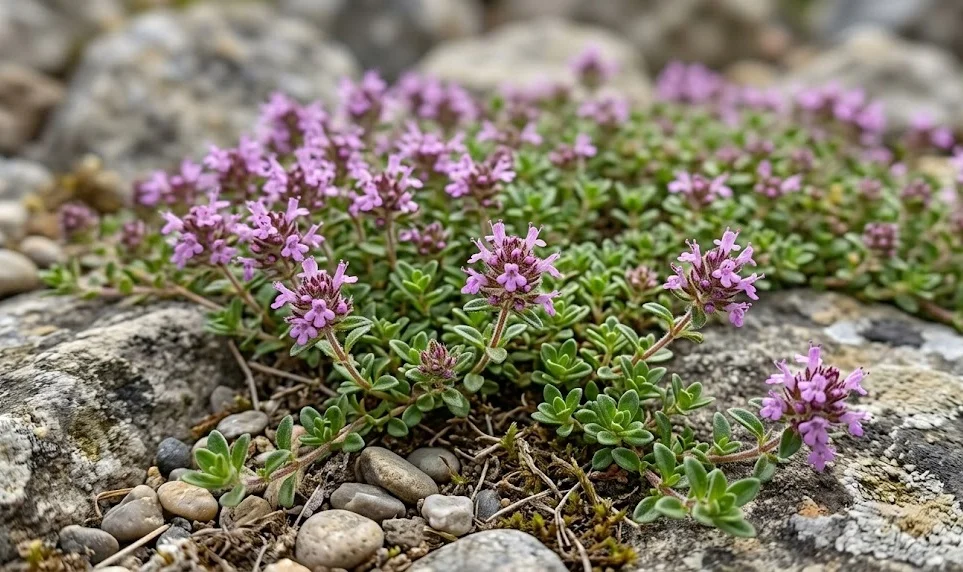

Maintaining a healthy patch of wild thyme requires a deep understanding of its natural habitat and growth habits. This resilient perennial thrives when provided with conditions that mimic its native rocky and dry environments. Consistent observation is the key to ensuring that the plant remains vibrant and productive throughout the growing season. By following these expert guidelines, you can create a flourishing aromatic carpet in your garden.
To achieve the best results, you must monitor the soil moisture levels regularly even if the plant is drought-tolerant. While established plants can handle dry spells, young patches need a bit more attention to settle their root systems. Avoid overwatering at all costs, as this is the most common cause of failure for this species. A well-balanced approach ensures that the plant remains hardy and resistant to environmental stressors.
The surrounding environment plays a significant role in how the plant develops its essential oils and overall structure. High humidity can sometimes lead to issues with the foliage, so maintaining good air circulation is vital. If you plant them too closely together, you might encounter stagnant air pockets that invite unwanted complications. Proper spacing allows each individual plant to reach its full potential without competing for resources.
Seasonal changes necessitate different levels of intervention to keep the thyme in peak condition. During the peak of summer, a light mulch might help protect the soil surface from extreme temperature fluctuations. In the autumn, clearing away fallen leaves from the thyme carpet prevents the buildup of excess moisture. Every season brings its own set of tasks that contribute to the long-term health of your herb garden.
Understanding the native environment
The primary goal of any gardener should be to replicate the Mediterranean-like conditions where this herb naturally grows. This means providing a location that offers maximum exposure to the elements without being too harsh. The plant is adapted to poor soils where other more demanding species would likely struggle to survive. Understanding this background helps you avoid the mistake of over-pampering the plant with too much care.
More articles on this topic
Soil drainage is perhaps the most critical factor in the successful care of this aromatic groundcover. If your garden has heavy clay soil, you will need to amend it significantly to ensure water moves through quickly. Incorporating grit or coarse sand can transform a difficult spot into a perfect home for your thyme. Without this preparation, the roots are likely to suffer during the wetter months of the year.
Temperature tolerance is another hallmark of this species, making it suitable for a variety of climates. It can withstand significant heat during the day and cooler temperatures at night without showing signs of distress. However, sudden shifts in weather can sometimes shock the plant if it is not properly acclimated. Providing a stable foundation through correct planting techniques will mitigate most of these potential risks.
Observation of the plant’s growth pattern will tell you a lot about its current state of health. Vibrant green leaves and a compact growth habit indicate that the plant is receiving exactly what it needs. If the stems become leggy or the color fades, it is usually a sign that something in the environment is off. Learning to read these subtle cues is what separates an amateur gardener from a true expert.
Soil management and structure
The physical structure of the soil influences how well the roots can expand and anchor the plant. A loose, friable texture allows for easy gas exchange between the roots and the atmosphere. If the soil becomes compacted, the plant will struggle to take up nutrients and water effectively. Regular aeration or the addition of organic matter can help maintain the necessary soil porosity over time.
More articles on this topic
Nutrient levels should be kept relatively low to encourage the production of concentrated essential oils. If the soil is too rich in nitrogen, the plant may grow rapidly but will lose much of its characteristic fragrance. A lean soil environment forces the plant to invest more energy into its secondary metabolites rather than just foliage. This is why wild thyme often tastes and smells better when grown in less-than-ideal conditions.
The pH level of the soil is another factor that requires occasional monitoring for optimal growth. Thyme generally prefers a neutral to slightly alkaline environment to perform at its absolute best. If your soil is naturally acidic, applying a small amount of lime can help balance the chemistry. Most garden soils are within the acceptable range, but testing is always a good idea for serious growers.
Compaction can be a silent killer for low-growing herbs that rely on a healthy surface root system. Walking near the plants should be avoided to prevent the soil from becoming a hard, impenetrable mass. Using stepping stones within the thyme carpet can provide access without damaging the delicate underground structures. Protecting the soil integrity is just as important as caring for the visible parts of the plant.
Weed control strategies
Managing weeds is essential for maintaining the visual appeal and health of a thyme groundcover. Because the plant grows low to the ground, taller weeds can quickly shade it out and steal precious nutrients. Regular hand-weeding is the most effective way to keep the area clear without damaging the thyme. It is best to catch weeds while they are still small and haven’t established deep root systems.
Establishing a thick carpet of thyme is the best natural defense against the intrusion of unwanted plants. Once the thyme fills in the gaps, it creates a living mulch that prevents weed seeds from germinating. This process takes time and patience, but the long-term reward is a low-maintenance garden feature. Encouraging lateral growth through proper care will speed up this biological barrier formation.
Mulching can be used carefully during the establishment phase to suppress weeds between the young plants. Choose a mulch that does not hold too much moisture, such as pea gravel or crushed stone. Avoid heavy wood chips or bark, as these can contribute to fungal issues near the base of the stems. A mineral-based mulch also reflects light back onto the plant, which can be beneficial for growth.
If weeds do become a problem, avoid using broadleaf herbicides near your thyme patches. These chemicals can be just as damaging to the herb as they are to the weeds you are trying to kill. Targeted manual removal remains the safest and most reliable method for an expert gardener. Consistency is the key, as a few minutes of weeding each week prevents a major breakout later.
Harvesting for maximum quality
Knowing when to harvest your thyme can make a significant difference in the potency of the herb. The best time to pick the stems is just before the plant begins to flower in the early summer. At this stage, the concentration of aromatic oils is at its peak, providing the best flavor and scent. Harvesting in the morning after the dew has evaporated but before the sun is too hot is ideal.
When cutting the stems, always leave at least a third of the plant’s growth intact to ensure recovery. Stripping the plant too heavily can weaken it and make it more susceptible to pests or diseases. Use sharp, clean shears to make clean cuts that heal quickly without tearing the delicate tissue. This practice encourages the plant to branch out and become even bushier in the following weeks.
Fresh thyme is wonderful for immediate use, but drying the herb allows you to enjoy it all year round. Hang small bundles in a cool, dark place with good air circulation to preserve the color and oils. Once the leaves are completely dry and brittle, they can be stripped from the stems and stored. Proper storage in airtight containers away from direct sunlight will keep the herb potent for months.
Regular harvesting actually acts as a form of pruning that benefits the overall health of the plant. It prevents the center of the patch from becoming too woody and unproductive over time. By taking small amounts frequently, you keep the plant in a state of active, youthful growth. This cyclical process ensures a continuous supply of high-quality herbs for your culinary or medicinal needs.
Microclimate considerations
The specific microclimate of your garden can dictate how your wild thyme responds to your care routines. A south-facing slope or a spot next to a stone wall can provide extra warmth that the plant loves. These heat-retaining features can extend the growing season and improve the quality of the essential oils. Identifying these “hot spots” in your landscape can help you choose the perfect location for a new patch.
Wind protection is rarely a concern for such a low-growing plant, but extreme exposure can still dry it out. In very windy areas, the plant may stay even more compact to protect itself from desiccation. While it is tough, providing a bit of a windbreak can help the foliage remain lush and green. Most of the time, the natural low profile of the plant is enough to keep it safe from gales.
Humidity levels are a factor that many gardeners overlook when dealing with Mediterranean herbs. If you live in a region with high summer humidity, you must ensure the soil is extremely well-draining. High moisture in the air combined with wet soil is a recipe for disaster for the root system. Choosing a breezy spot can help keep the foliage dry and reduce the risk of mold or mildew.
Reflected light from light-colored buildings or stones can give the plant an extra boost of energy. Since thyme is a sun-lover, any additional light you can provide will generally be welcomed by the plant. This extra energy is often converted into more robust growth and a stronger aromatic profile. Being mindful of these environmental nuances allows you to fine-tune your care for the best results.
Longevity and rejuvenation
Over several years, a patch of wild thyme may begin to show signs of aging in the center. The middle of the plant often becomes woody and loses its ability to produce new, green leaves. This is a natural part of the plant’s life cycle but can be managed with professional techniques. Rejuvenation involves encouraging the outer, more vigorous stems to root and fill in the gaps.
Dividing older clumps is an excellent way to revitalize a patch and create new plants at the same time. This task is best performed in the early spring or late autumn when the plant is not actively flowering. By breaking up the old root mass, you give the plant a fresh start in rejuvenated soil. This practice can extend the life of your thyme collection indefinitely if done correctly.
Top-dressing the patch with a thin layer of compost and sand can also help keep it looking young. This provides a small boost of nutrients and fills in any areas where the soil may have washed away. The creeping stems will often grow new roots into this fresh layer, strengthening the overall structure. It is a simple maintenance task that pays big dividends in the long run for garden health.
Eventually, even the best-cared-for patch may need to be replaced if it becomes too sparse. However, with regular pruning, harvesting, and occasional division, a single planting can last for many years. Keeping a close eye on the vigor of the plant will tell you when it is time for a major intervention. A proactive approach to plant health ensures that your garden remains a beautiful and productive space.
Professional tools and equipment
Using the right tools is essential for performing maintenance tasks without causing unnecessary stress to the plant. High-quality pruning shears with sharp blades are the most important investment for any herb gardener. Dull tools can crush the stems, leaving them open to infection and slowing down the healing process. Keeping your blades clean and sanitized prevents the spread of pathogens between different parts of the garden.
For larger areas of groundcover, a set of specialized garden scissors might be more efficient than standard pruners. These allow for a more uniform “mowing” action when you are harvesting or tidying up the patch. They provide the precision needed to remove spent flowers or leggy growth without damaging the main structure. Choosing tools that feel comfortable in your hand will make the work much more enjoyable.
Soil testing kits are another valuable tool for the expert gardener who wants to be precise. Knowing the exact nutrient levels and pH of your soil takes the guesswork out of fertilization and soil prep. These kits are easy to use and provide a scientific basis for any adjustments you might need to make. Information is power when it is used to create the perfect environment for your plants.
Finally, a simple hand trowel and a sturdy kneeling pad are indispensable for the close-up work of weeding and planting. Since thyme requires a hands-on approach, staying comfortable while you work is important for doing a thorough job. Investing in high-quality basic tools ensures that you can perform your gardening tasks with precision and ease. A well-equipped gardener is always better prepared to handle the challenges of a growing season.