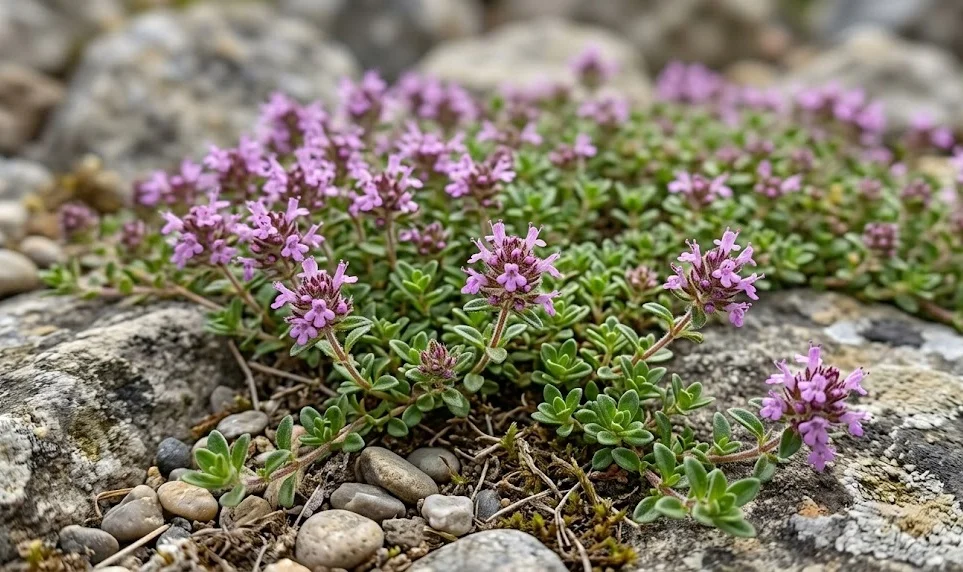

Pruning is a vital maintenance task that keeps wild thyme healthy, productive, and aesthetically pleasing. Without regular intervention, this low-growing perennial can become overly woody and sparse in the center, losing its characteristic charm. A professional pruning strategy involves more than just tidying up; it is about stimulating new growth and maintaining the plant’s structural integrity. By mastering the timing and techniques of cutting back, you can ensure that your thyme remains a vibrant feature of your garden for many years.
The primary goal of pruning is to encourage the plant to produce fresh, green shoots from its base. This keeps the foliage dense and ensures a continuous supply of aromatic leaves for harvesting. Pruning also helps to improve air circulation within the plant, which is one of the most effective ways to prevent fungal diseases. It is a proactive health measure that rewards the gardener with a more resilient and beautiful herb.
Timing is the most important factor in a successful pruning routine, as cutting at the wrong time can stress the plant or remove next season’s flowers. There are different levels of pruning required throughout the year, from light shaping to a more significant post-flowering cutback. Understanding the plant’s natural growth cycle allows you to intervene at the moments when the plant is best able to recover and respond. A well-timed cut is a catalyst for renewed vigor.
Using the correct tools and making clean cuts are also essential components of professional pruning. Ragged edges or crushed stems can become entry points for pathogens and slow down the healing process. Sharp, sanitized shears are the most important investment you can make for the long-term care of your herbs. The following chapters will detail the specific methods for pruning and cutting back your wild thyme throughout the seasons.
Timing the major cuts
The most significant pruning session for wild thyme should take place immediately after the plant has finished flowering in mid-summer. This is the moment when the plant’s energy is naturally shifting from flower production back to foliage growth. By cutting back the spent flower stalks and the top third of the green growth, you stimulate a flush of new, healthy leaves. This helps the plant stay compact and prevents it from becoming too leggy as the season progresses.
More articles on this topic
Another important time for light pruning is in the early spring, just as the new growth begins to appear. This is the perfect moment to remove any stems that were damaged by winter cold or have become brittle and dead. This “cleanup” prune allows the new shoots to have plenty of light and space to develop. Avoid a heavy cut in the spring, as you want to preserve as much of the plant’s stored energy as possible for the upcoming growing season.
Never prune your thyme in the late autumn or early winter, as this can stimulate new growth that won’t have time to harden off before the frost. These tender shoots are very susceptible to cold damage, and their death can weaken the entire plant. Furthermore, the existing foliage provides a layer of natural insulation that helps the crown survive the winter. Leave the plant alone during the colder months and save your shears for the periods of active growth.
In very warm climates, you may find that your thyme grows so quickly that it needs a second light shaping in late summer. This should be a very conservative cut, focusing only on any stems that are straying too far from the main patch. Always ensure the plant has plenty of time to recover before any significant shifts in the weather. Consistency and moderation are the keys to a successful multi-year pruning strategy.
Techniques for aesthetic shaping
When shaping your thyme, the goal is to maintain a natural, rounded form that mimics its appearance in the wild. Avoid creating flat, unnatural “table-top” shapes, which can look out of place in a garden and may lead to uneven growth. Use your shears to gently follow the contours of the plant, removing the most adventurous stems to keep the patch tidy. A well-shaped plant is more visually appealing and fits better into the overall design of your landscape.
More articles on this topic
If you are using thyme as a groundcover between stepping stones, you will need to prune it more frequently to keep the paths clear. Focus on cutting back the stems that are creeping over the edges of the stones rather than just trimming the top. This encourages the plant to grow more densely within its assigned space rather than simply spreading further. It is a constant process of guiding the plant’s growth to fit your aesthetic and functional needs.
For older patches that have become woody in the center, you can try a technique called “renewal pruning.” This involves cutting back a small portion of the oldest, woodiest stems right to the ground each year. This stimulates new, flexible growth from the base and slowly rejuvenates the entire plant over several seasons. It is much safer for the plant than trying to cut the whole thing back to the wood at once, which can sometimes be fatal.
Always make your cuts just above a leaf node or a point where a new stem is emerging. This ensures that the plant can quickly seal the wound and start growing in the desired direction. If you leave long, “dead” stubs of stem above a node, they will simply rot and become a potential site for infection. Precision in your cutting technique is what separates a professional gardener from someone who is just “mowing” their plants.
Promoting health and productivity
Regular pruning acts as a form of “stress” that actually makes the plant more productive and resilient. By removing the tips of the stems, you break the apical dominance and force the plant to branch out from the lower nodes. This results in a much denser mat of foliage with more leaves per square inch of garden space. For the herb gardener, this means a significantly higher yield of aromatic material for culinary use.
Pruning is also your best opportunity to inspect the inner parts of the plant for any signs of trouble. As you move the stems aside, look for hidden pests, fungal spots, or areas where the soil may have become overly compacted. Catching these issues early during your pruning routine is much easier than trying to solve them once they have become widespread. Think of pruning as a comprehensive check-up for your thyme’s health.
The removal of spent flowers is not just about looks; it prevents the plant from putting energy into seed production. Unless you are specifically trying to harvest seeds, you want the plant to focus its resources on its roots and leaves. Deadheading (removing old flowers) keeps the plant looking fresh and can sometimes even lead to a small second flush of blooms. It is a simple task that makes a big difference in the plant’s overall energy budget.
Finally, remember that the material you remove during pruning is often the highest quality herb you can get. Don’t let your “waste” go to the compost bin; use these trimmings for cooking, drying, or making aromatic oils. A professional gardener sees pruning as a secondary harvest that maximizes the utility of the plant. By integrating your maintenance and harvesting tasks, you make your gardening routine more efficient and rewarding.