
Mastering the hydration and nutritional needs of wild thyme is a balancing act that requires a deep appreciation for its hardy nature. This plant has evolved to survive in challenging conditions, which means that less is often more when it comes to human intervention. Providing too much water or excess fertilizer can actually do more harm than good, leading to weakened structures and reduced fragrance. A professional approach involves understanding the specific triggers that indicate when the plant truly needs a helping hand.
Watering is the most frequent task you will face, yet it is where most mistakes occur in the care of Mediterranean herbs. The goal is to encourage deep root growth by allowing the soil to dry out significantly between sessions. This mimics the natural cycles of rain and drought that the plant experiences in the wild. By fostering a strong, deep root system, you create a plant that is much more resilient to extreme weather conditions.
Fertilization should be handled with a similar level of restraint to maintain the plant’s essential oil concentration. In many cases, the nutrients naturally present in the soil are sufficient for the plant’s modest requirements. Adding heavy doses of synthetic fertilizers can lead to lush, soft growth that is attractive to pests and lacks the characteristic flavor. Choosing the right products and timing will ensure that your thyme remains healthy without losing its wild character.
Developing a routine based on observation rather than a strict calendar is the hallmark of an expert gardener. Every garden has its own unique soil composition and evaporation rate, which influences how often you need to step in. By learning to recognize the subtle changes in the foliage and soil, you can provide the perfect amount of support. The following chapters will detail the specific techniques and philosophies behind effective watering and fertilization.
The art of controlled watering
The key to watering wild thyme is to focus on the roots rather than the foliage to prevent fungal issues. Applying water directly to the base of the plant ensures that the moisture reaches where it is needed most without keeping the leaves wet. Early morning is the best time for this task, as any stray moisture on the leaves will evaporate quickly as the sun rises. Avoid watering in the late evening, as damp foliage overnight can invite a host of unwanted pathogens.
More articles on this topic
When you do water, it is important to do so deeply so that the moisture penetrates several inches into the soil. Shallow, frequent watering encourages the roots to stay near the surface, where they are more vulnerable to heat and drying out. A slow, steady application of water allows it to soak in without running off the surface of the dry soil. This thorough soaking should be followed by a period of complete dryness to allow the soil to aerate.
During the first year after planting, your thyme will need more regular watering to help it establish its root system. Once the plant is mature and has filled in the space, its water requirements will drop significantly. Mature plants are remarkably drought-tolerant and can often survive on natural rainfall alone in many climates. Always check the soil moisture levels by feeling a few inches below the surface before reaching for the garden hose.
Overwatering is the primary cause of root rot, a condition that can quickly kill even the hardiest of thyme plants. If you notice the leaves turning yellow or the stems becoming mushy, it is a clear sign that the soil is holding too much water. In such cases, the best course of action is to stop watering immediately and allow the area to dry out completely. Correcting drainage issues is a long-term solution that is far better than trying to fix a waterlogged plant.
Soil nutrition and amendments
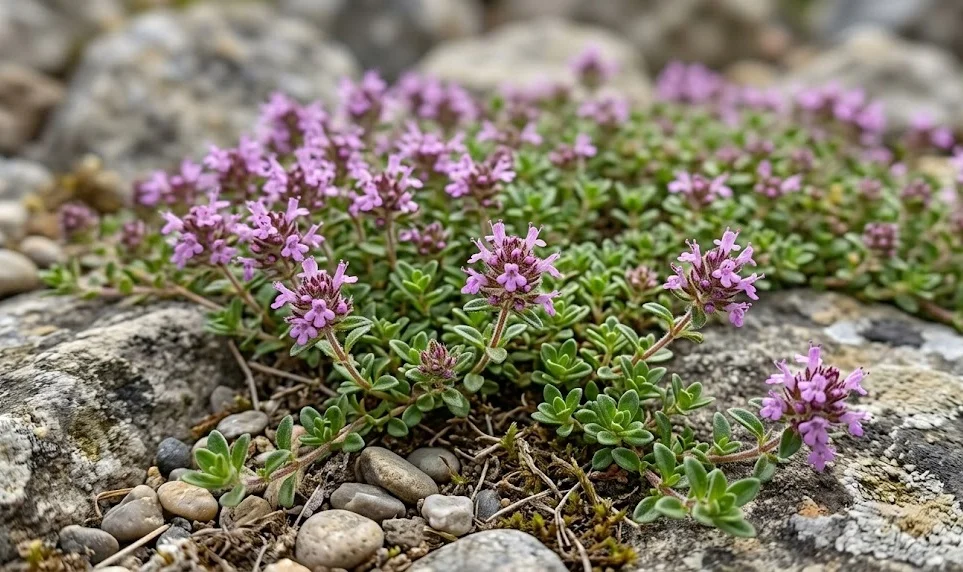
In its natural habitat, wild thyme grows in thin, rocky soils that are relatively low in organic matter. This background means the plant does not require the rich, heavily composted soil that many vegetables and flowers crave. In fact, soil that is too fertile can lead to a decline in the plant’s health and its aromatic properties. The goal of soil management should be to provide a stable, lean environment that supports steady, sustainable growth.
More articles on this topic
If you feel your soil is truly depleted, a light application of a well-balanced organic fertilizer in the early spring can be beneficial. Look for products with a lower nitrogen content to avoid triggering a flush of weak, watery growth. Slow-release granular fertilizers are often the best choice because they provide a steady supply of nutrients over several months. This prevents the “boom and bust” cycle that can stress the plant’s metabolic systems.
Incorporating mineral amendments like crushed limestone or granite dust can be more effective than traditional fertilizers for this species. These materials help maintain the soil’s structure and provide trace minerals that the plant uses for its complex chemical defenses. They also help keep the soil pH in the slightly alkaline range that thyme prefers for optimal nutrient uptake. Thinking like a geologist as well as a gardener will lead to better results with Mediterranean herbs.
A thin layer of fine compost applied as a top-dressing in the autumn can provide all the nutrition the plant needs for the following year. As the compost breaks down, it slowly releases nutrients into the soil surface where the creeping stems can access them. This method also improves the overall health of the soil microbiome, which in turn supports the plant’s immune system. Natural, slow-acting inputs are always preferable to harsh chemical alternatives in a professional garden.
Identifying nutritional imbalances
Even with a minimalist approach, it is possible for plants to suffer from specific nutrient deficiencies or excesses. Yellowing of the older leaves while the veins remain green can sometimes indicate a magnesium deficiency, especially in very sandy soils. On the other hand, if the new growth is pale and stunted, the plant might be struggling to access enough nitrogen. Learning to differentiate between these signs allows you to make targeted adjustments rather than broad, unnecessary applications.
Excessive fertilization often manifests as a lack of flowers and a loss of the plant’s intense fragrance. If your thyme looks like a lush, dark green salad plant, you have likely over-fed it with too much nitrogen. This type of growth is structurally weak and is much more likely to be damaged by frost or heavy rain. The best remedy for over-fertilization is to stop all feeding and allow the plant to “grow out” of the excess.
Iron chlorosis is another potential issue, appearing as yellowing of the youngest leaves while the plant is otherwise healthy. This is often a sign that the soil pH is too high, making the iron that is already present in the soil unavailable to the plant. Testing the pH is the first step in addressing this problem, as adding more iron will not help if the chemistry is wrong. Small adjustments to the soil acidity can quickly resolve these types of locked-out nutrient issues.
A healthy wild thyme plant should have firm, small leaves with a color that is characteristic of its variety, often a slightly dusty green. Any deviation from this “normal” appearance should be investigated, but don’t be too quick to assume fertilizer is the answer. Often, issues that look like nutrient problems are actually related to water stress or soil compaction. A holistic view of the plant’s environment will help you diagnose and solve problems more accurately.
Organic vs synthetic approaches
For many professional gardeners, the choice between organic and synthetic products is a matter of long-term soil health. Organic fertilizers work in harmony with the soil’s natural biology, encouraging the growth of beneficial fungi and bacteria. These microorganisms form a symbiotic relationship with the thyme roots, helping them absorb water and minerals more efficiently. This leads to a plant that is naturally more robust and less dependent on constant human intervention.
Synthetic fertilizers, while providing a quick boost, can sometimes lead to a buildup of salts in the soil over time. These salts can damage the delicate root hairs and disrupt the natural balance of the soil chemistry. For a plant like wild thyme, which is adapted to low-salt environments, this can be particularly detrimental. If you do use synthetic products, always use them at a reduced strength and water them in thoroughly to prevent root burn.
Using natural mulches such as compost or well-rotted manure provides a dual benefit of nutrition and soil protection. As these materials decompose, they build the soil’s structure and its ability to hold onto moisture and nutrients naturally. This creates a self-sustaining system that requires less and less effort from the gardener as time goes on. The slow release of nutrients from organic matter is a much better match for the thyme’s slow-and-steady growth habit.
Ultimately, the goal is to create a garden that feels like a natural ecosystem rather than a laboratory. By leaning toward organic methods, you support the overall biodiversity of your garden, from the tiniest soil microbes to the pollinators that visit the flowers. A healthy, living soil is the best foundation for a thriving patch of wild thyme. Your reward will be a plant that is as beautiful and fragrant as those found in the hills of its native range.
Seasonal adjustments and timing
The nutritional and hydration needs of wild thyme change significantly as it moves through its annual life cycle. In the early spring, as the plant wakes up from dormancy, it appreciate a little extra moisture to fuel its initial growth. This is also the ideal time for any light fertilization you have planned for the year. Providing support at the beginning of the season ensures the plant has the energy it needs for a spectacular flowering period.
As the summer heat intensifies, the plant enters its most drought-tolerant phase, and you should scale back your watering accordingly. During periods of extreme heat, the plant may go into a semi-dormant state to conserve its resources. Forcing it to grow with excess water during this time can be stressful and lead to health problems. Respect the plant’s natural rhythms and let it slow down when the weather dictates.
In the autumn, you should stop all fertilization to allow the plant’s growth to harden off before the winter cold arrives. Late-season feeding can stimulate soft, new growth that is easily killed by the first hard frost. Reducing water during the autumn also helps the plant prepare for dormancy by naturally slowing its metabolic processes. Proper preparation in the fall is the secret to a successful wintering of your thyme collection.
Winter is a time of rest for the plant, and in most climates, no supplemental watering or feeding is required. The natural precipitation during the colder months is usually more than enough to keep the dormant roots alive. If you are growing thyme in containers, you may need to check the moisture levels occasionally, but err on the side of dryness. By following these seasonal shifts, you work with nature rather than against it, ensuring the long-term success of your garden.