
The relationship between wild thyme and sunlight is one of the most fundamental aspects of its successful cultivation. As a species that evolved in open, sun-drenched landscapes, its entire physiology is built around the efficient capture of solar energy. Light is not just a source of fuel for the plant; it is the primary driver behind the production of its aromatic essential oils. A professional understanding of these light requirements is essential for placing and maintaining a thriving thyme garden.
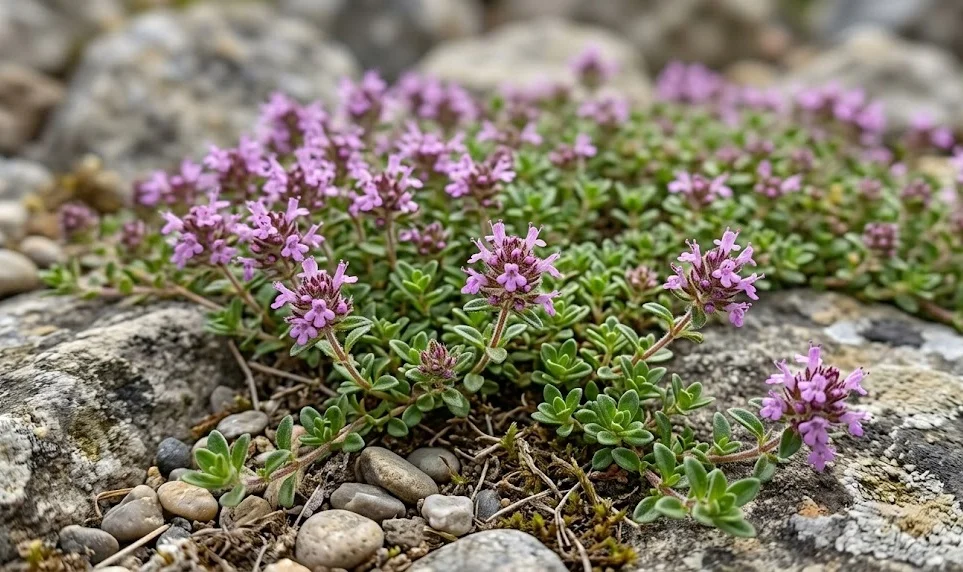
In its native environment, this herb often grows in exposed positions where it receives direct sunlight from dawn until dusk. This intense exposure helps the plant maintain its compact, ground-hugging form and prevents it from becoming leggy or sparse. When grown in the garden, the goal should be to replicate this abundance of light as closely as possible. Anything less than full sun will often result in a plant that is structurally weaker and less fragrant.
While some plants can adapt to a range of light conditions, wild thyme is quite uncompromising in its solar needs. If it is forced to grow in the shade, its stems will stretch toward the light, losing their dense, carpet-like appearance. The leaves may also become larger and thinner, making them more susceptible to damage and disease. Recognizing the signs of light stress early allows you to make the necessary changes to the plant’s environment.
Managing light in the garden is about more than just finding a sunny spot; it involves understanding how light changes throughout the seasons. The angle of the sun and the shadows cast by nearby structures or plants can shift significantly over the course of a year. An expert gardener observes these patterns to ensure that their thyme patches remain in the “sweet spot” of the landscape. The following chapters will detail the nuances of light management for this sun-loving herb.
The necessity of full sun
For wild thyme, “full sun” is defined as at least six to eight hours of direct, unobstructed sunlight every day. This high level of light intensity is necessary for the plant to carry out photosynthesis at the rate required for its dense growth. The energy produced during this process is also used to synthesize the complex chemical compounds that give the plant its flavor. Without enough sun, the plant simply cannot produce the high levels of thymol and other oils that we value.
More articles on this topic
The quality of the light is just as important as the quantity, with the intense rays of the midday sun being particularly beneficial. While many plants need protection from the hottest part of the day, thyme actually thrives in these conditions. The heat that accompanies the sun helps to concentrate the oils in the leaves, making the plant more aromatic. Placing your thyme in a location with southern or western exposure is usually the best strategy for maximizing light quality.
In addition to its role in growth and fragrance, sunlight also acts as a natural sanitizer for the foliage. The UV rays help to suppress the growth of many fungal pathogens that might otherwise take hold in the dense mats of leaves. By keeping the plant’s internal environment dry and well-lit, the sun provides a powerful, free defense against disease. This is why plants grown in full sun are almost always healthier than those grown in even partial shade.
If you are gardening in a northern climate with shorter growing seasons, maximizing light becomes even more critical. Using reflective surfaces like light-colored stones or white-painted walls can help bounce extra light onto the plants. This can be especially helpful in the early spring and late autumn when the sun is lower in the sky. Every extra bit of solar energy you can provide will be rewarded with a more robust and fragrant plant.
Impacts of shade and low light
When wild thyme is deprived of the light it needs, its first reaction is to change its growth habit to “search” for more sun. This results in long, spindly stems with fewer leaves, a condition often referred to as being “leggy.” The compact, attractive mat that characterizes a healthy patch of thyme is quickly lost as the plant stretches upward. This type of growth is not only less attractive but also more prone to being broken by wind or heavy rain.
More articles on this topic
Shade also has a significant impact on the plant’s aromatic profile, often leading to a much milder scent and flavor. Because the plant is using all its energy just to survive and grow toward the light, it has little left for secondary metabolites. This makes shaded thyme much less useful for culinary or medicinal purposes than its sun-grown counterparts. If you find your thyme is losing its “punch,” a lack of light is the first thing you should investigate.
The increased moisture and reduced air circulation that often accompany shady spots create a perfect environment for pests and diseases. Fungal issues like powdery mildew and gray mold are much more common in low-light areas where the foliage stays damp for longer. Many pests also prefer the softer, thinner leaves of shaded plants, which are easier to feed on. A shaded thyme patch is a stressed patch, and stress always invites trouble in the garden.
If you have a spot that only receives partial sun, you might consider trying a more shade-tolerant variety of thyme, although none will be as happy as in full sun. Generally, it is better to choose a different plant for those areas and save the sunniest spots for your Mediterranean herbs. Forcing a sun-lover to grow in the shade is a constant battle that usually ends in disappointment for the gardener. A professional knows when to work with the site’s limitations rather than against them.
Photosynthetic efficiency and orientation
The orientation of your garden beds can make a surprising difference in how much usable light your thyme receives. A bed that runs from east to west will provide consistent, all-day sun to all the plants in the row. If the bed runs north to south, taller plants may cast long shadows over smaller ones like thyme during the morning and afternoon. Understanding these simple geometric principles of gardening helps you plan a layout that maximizes light for every species.
The density of the thyme’s foliage is another factor that influences how it uses light. In a healthy, compact plant, the outer leaves are highly efficient at capturing energy, but they also shade the inner parts of the stem. Regular pruning and harvesting help to open up the structure, allowing light to reach deeper into the plant’s center. This prevents the center from becoming woody and unproductive, a common issue in older thyme patches.
Using the topography of your landscape to your advantage can also enhance the light available to your plants. Planting on a south-facing slope or a raised mound can increase the angle at which the sun hits the foliage, especially in the spring and fall. This subtle shift can extend the active growing season by providing more intense light when the sun is otherwise low. It is these small, professional details that can make a big difference in the overall performance of your garden.
Finally, remember that light requirements can vary slightly between different cultivars of wild thyme. Some varieties with variegated or lighter-colored leaves may be a bit more sensitive to the most intense afternoon sun in very hot climates. Conversely, some dark-leaved varieties are particularly efficient at absorbing every bit of light in cooler regions. Researching the specific needs of the variety you are growing will help you provide the perfect solar environment for its success.