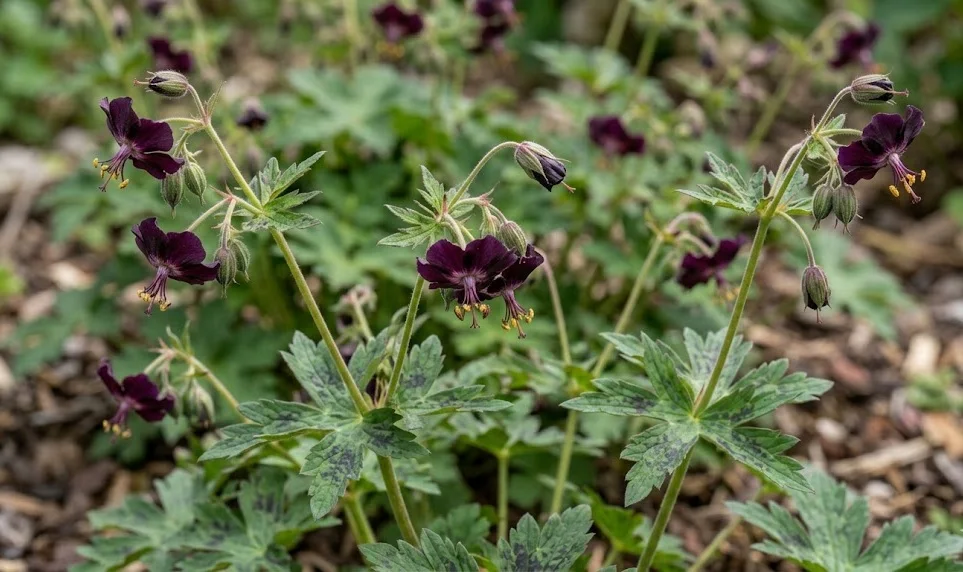

Ensuring that your perennials survive the coldest months of the year is a fundamental task that guarantees a beautiful and predictable return of growth in the spring. The dusky crane’s-bill is remarkably hardy and well-adapted to surviving harsh winters, but a little extra preparation can go a long way in protecting its long-term health. While it naturally enters a period of dormancy as the temperatures drop, the environmental conditions of a garden can sometimes be more challenging than its native woodland homes. By taking a few simple steps, you can safeguard the crown and root system of your plants against the extremes of frost, wind, and fluctuating temperatures.
The process of overwintering begins long before the first snowflake falls, as the plant must be healthy and well-hydrated throughout the autumn to build up its internal reserves. As the days shorten, you will notice the foliage naturally begins to die back, a sign that the plant is moving its energy into the underground rootstock. This transition is a vital part of its lifecycle, allowing it to survive in a state of suspended animation until the conditions are right for growth once again. Understanding this rhythm is the key to providing the right kind of support without interfering with the plant’s natural processes.
Soil conditions during the winter are often more critical than the actual air temperature when it comes to the survival of this species. Excessively wet, waterlogged soil can be much more damaging than deep frost, as it deprives the roots of oxygen and can lead to rot even in dormant plants. Ensuring that your garden beds have good drainage is the best insurance policy you can have for your perennials during the rainy and snowy seasons. If you have particularly heavy soil, you may want to consider small adjustments like raising the planting area or adding grit before the winter sets in.
By being proactive and attentive to the needs of your garden during the transition into winter, you ensure a seamless and successful start to the following growing season. Each climate is different, and the specific needs of your plants may vary depending on whether you live in a region with consistent snow cover or one with frequent freeze-thaw cycles. Regardless of your location, the principles of protection and preparation remain the same for the dusky crane’s-bill. The reward for your efforts will be the sight of those first green shoots emerging from the cold earth as soon as the spring sun begins to warm the ground.
Preparing the foliage and soil for the cold
As autumn progresses, the question of whether to cut back the foliage or leave it standing is one that many gardeners debate. For the dusky crane’s-bill, leaving the old leaves in place until late winter can actually provide a natural layer of insulation for the crown of the plant. However, if the leaves were affected by pests or diseases during the summer, it is much better to remove them and dispose of them to prevent pathogens from overwintering. If you do choose to cut them back, wait until they have completely withered and turned yellow, indicating that all the nutrients have been returned to the roots.
More articles on this topic
Applying a fresh layer of mulch in late autumn is one of the most beneficial things you can do for your perennials before the ground freezes. A three-inch layer of organic material like bark, compost, or shredded leaves acts as a thermal blanket, regulating the soil temperature and preventing the ground from heaving during freeze-thaw cycles. This “heaving” can actually push the crown of the plant out of the soil, exposing the delicate roots to the drying winter winds and extreme cold. Be sure to keep the mulch a few inches away from the very center of the crown to prevent moisture buildup and potential rot.
If your garden is located in a particularly windy or exposed area, you might consider providing some additional physical protection for your more sensitive plants. Temporary windbreaks made from burlap or evergreen branches can help reduce the desiccation caused by cold winter winds, which can be very taxing on the plant’s reserves. These barriers should be positioned to block the prevailing winds while still allowing for some air circulation to prevent stagnant conditions. For most established dusky crane’s-bill plants, however, their naturally low-growing habit and hardy nature make such extreme measures unnecessary.
Watering in late autumn is an often-overlooked task that is vital for the winter survival of many perennials, including this one. Even though the plant is dormant, its roots still need a baseline level of moisture to prevent them from drying out completely in the frozen ground. Providing a deep soak before the first hard freeze ensures that the plant enters the winter in the best possible condition. Once the ground is frozen, you can stop watering altogether until the spring thaw begins and the plant starts to wake up again.
Managing container plants during winter
Growing the dusky crane’s-bill in containers offers many advantages, but it also means the plants are much more exposed to the cold than those in the ground. The roots in a pot are only protected by a thin layer of ceramic or plastic, making them much more susceptible to freezing temperatures and rapid temperature fluctuations. To help them survive, you can move your pots to a more sheltered location, such as against the wall of a house or into an unheated garage or greenhouse. If the pots are too heavy to move, wrapping them in bubble wrap or burlap can provide that essential extra layer of insulation.
More articles on this topic
Drainage is even more critical for container-grown plants during the winter, as pots can easily become waterlogged if the drainage holes get blocked or frozen. Elevating your pots on “pot feet” or bricks allows excess water to escape more easily and prevents the base of the container from sitting in a puddle. This simple step can prevent the soil from turning into a block of ice, which could crack the container and kill the plant inside. It is also a good idea to remove any saucers from under your pots to prevent water from collecting and freezing around the bottom.
Check on your containerized plants occasionally during the winter, especially during long periods of dry weather when there is no snow or rain to provide moisture. While you don’t want the soil to be wet, it shouldn’t be allowed to become completely dust-dry, as this can lead to root death. A small amount of water on a day when the temperature is above freezing is usually all that is needed to keep the dormant plant safe. As spring approaches and you see the first signs of life, you can gradually move the pots back to their permanent positions and resume a more regular care routine.
Overwintering in a greenhouse can be a great option for young plants or newly propagated divisions that are not yet fully established. However, be careful not to keep them too warm, as this can confuse the plant and cause it to start growing too early, making it vulnerable to late frosts. A cold greenhouse that stays just above freezing is ideal, as it provides protection from the elements while still allowing the plant to experience a necessary period of winter chill. Once the threat of hard frost has passed, these plants can be slowly hardened off and returned to the garden for the new season.
Dealing with late spring frosts
One of the biggest challenges for any perennial is a sudden, sharp frost that occurs just after the plant has started its spring growth. The tender new leaves and flower buds of the dusky crane’s-bill are particularly sensitive to these late cold snaps, which can turn the vibrant green growth black overnight. While this rarely kills an established plant, it can ruin the first flush of foliage and delay the flowering season significantly. Monitoring the weather forecasts closely during the early spring allows you to be prepared to take action if a frost is predicted.
If a late frost is expected, you can protect your plants by covering them with an old sheet, a piece of burlap, or a dedicated garden fleece. It is important to prop the cover up so it doesn’t touch the foliage directly, as the cold can still be transferred through the fabric to the tender tissues. Remove the covers as soon as the sun comes up and the temperatures rise above freezing to prevent the plants from overheating or becoming too humid. This simple intervention can save the beauty of your spring garden and ensure that your plants continue their growth without interruption.
If your plants do get caught by a late frost and the foliage is damaged, don’t panic or rush to cut them back immediately. Wait a few days to see the full extent of the damage, as some parts of the plant may recover better than expected. Once the risk of further frost has completely passed, you can carefully trim away any blackened or mushy growth to make room for new shoots to emerge. The dusky crane’s-bill is a very resilient plant, and it will usually produce a second set of leaves within a few weeks to replace what was lost.
Applying a light, liquid fertilizer after a frost-related setback can help give the plant the energy it needs to recover and grow new foliage quickly. Just be sure to water the plant well before and after feeding to avoid stressing the roots during this sensitive period. By being vigilant and ready to act during the unpredictable days of early spring, you can ensure that your overwintering efforts are not undone at the last minute. This careful management is what separates a good gardener from a great one, ensuring a beautiful and consistent display year after year.
Reflections on the winter cycle
Winter is a time of rest and renewal for both the garden and the gardener, providing a much-needed break from the busy tasks of the growing season. For the dusky crane’s-bill, this period of dormancy is not just a survival strategy, but a necessary phase that triggers the next cycle of flowering. Many perennials require a certain number of “chill hours” to reset their internal clocks and prepare for the energy-intensive process of spring growth. Embracing this natural rhythm allows you to appreciate the quiet beauty of the winter garden and the promise of what is to come.
During the quiet months, you can take the time to plan any changes or additions to your garden borders for the coming year. Observing which plants performed well and which struggled during the winter can provide valuable insights for future landscaping decisions. Perhaps you noticed a spot where the drainage could be improved, or an area that would benefit from more winter interest from evergreens or structural seed heads. Use this time to research new varieties of geraniums or companion plants that will complement your existing dusky crane’s-bill collection.
Properly storing and maintaining your gardening tools during the winter is another important task that ensures you are ready to go as soon as the spring arrives. Clean your shears, spades, and forks, and apply a light coat of oil to prevent rust and keep the mechanisms moving smoothly. Sharp, clean tools make every gardening job easier and safer for both you and your plants, reducing the risk of tearing delicate tissues or spreading diseases. Taking care of your equipment is a sign of a professional approach and a respect for the craft of gardening.
Finally, remember that every winter is different, and nature will always find ways to surprise you despite your best preparations. Some years will be mild and easy, while others will test the limits of even the hardiest plants in your collection. By following the principles of good overwintering, you give your dusky crane’s-bill the best possible chance to thrive and continue to beautify your garden for many years. The cycle of the seasons is a beautiful thing to witness, and being a part of it through your garden is one of the most rewarding aspects of the hobby.