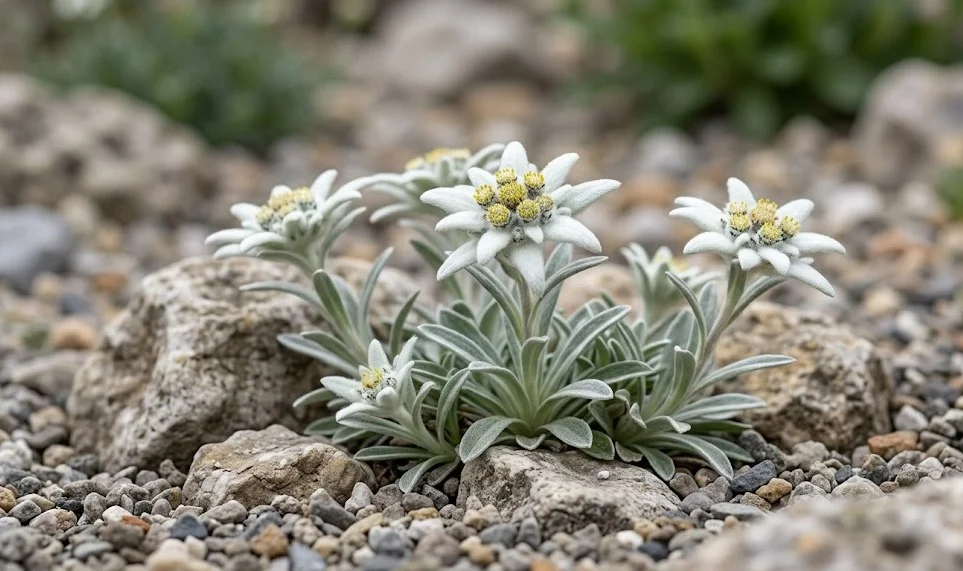

Successfully planting and propagating the legendary edelweiss requires a meticulous approach that respects its unique biological needs. This plant is not a typical garden perennial that can be simply tucked into a border with standard potting mix and forgotten. Instead, one must consider the delicate balance between moisture, drainage, and light that allows the seeds to germinate and the roots to take hold. Mastering these techniques allows you to expand your collection and share this rare beauty with others.
The process of propagation begins long before the first sprout appears, often starting with the careful collection and storage of seeds. Edelweiss seeds are tiny and require specific environmental triggers to break their natural state of dormancy and begin the growth cycle. Professional growers often utilize a process called cold stratification to mimic the harsh winters of the high Alps. This ensures that the seeds “wake up” at the right time, prepared for the growing season ahead with maximum vigor.
Choosing the right time for planting is equally important, as young seedlings are far more vulnerable than established adult plants. In most temperate climates, starting the seeds indoors during the late winter allows the plants to develop a strong root system before the summer heat. This head start gives them the resilience they need to survive their first year in the outdoor rockery or trough. Consistency in temperature and light during these early stages is the key to preventing “damping off” and other common seedling failures.
Vegetative propagation is another viable option for those who already have a healthy, mature specimen in their garden. This method involves carefully dividing the plant to create new individuals that are genetically identical to the parent. It is a faster way to achieve a blooming plant compared to growing from seed, but it requires a steady hand and precise timing. Understanding when and how to perform these divisions is an essential skill for any serious collector of alpine flora.
Strategies for seed stratification
To successfully germinate edelweiss seeds, you must convince them that they have just endured a long, cold mountain winter. This is achieved by placing the seeds in a damp medium, such as sand or a paper towel, and storing them in the refrigerator. The temperature should remain consistently just above freezing for at least four to six weeks to trigger the necessary hormonal changes. Without this cold period, germination rates are often disappointingly low or completely non-existent.
More articles on this topic
The medium used for stratification should be sterile to prevent the growth of mold or fungus during the weeks of refrigeration. Some gardeners prefer using a mix of fine vermiculite and a tiny amount of water to keep the environment humid but not soaking wet. It is vital to check the seeds periodically to ensure they have not dried out or started to rot prematurely. This stage requires patience, as rushing the cold period will lead to weak seedlings that struggle to establish themselves later.
Once the stratification period is complete, the seeds can be moved to a warmer environment with plenty of bright, indirect light. They should be sown on the surface of a gritty, well-draining seed starting mix, as they require light to germinate fully. Do not cover them with soil; instead, gently press them into the surface to ensure good contact with the growing medium. Maintaining a consistent temperature of around fifteen to twenty degrees Celsius will encourage the first sprouts to appear within a few weeks.
Using a fine mist to keep the surface moist is better than traditional watering, which can wash away the tiny seeds or bury them too deeply. A clear plastic dome or a sheet of glass over the seed tray can help maintain the high humidity needed for the initial stages of growth. However, it is essential to provide some ventilation every day to prevent the buildup of stagnant air and heat. Watching the first tiny silver-green leaves emerge is a truly rewarding moment for any dedicated plant enthusiast.
Techniques for successful planting
When the seedlings have developed at least two sets of true leaves, they are ready to be moved into individual pots or their final garden home. This transition is a critical time, and the plants must be “hardened off” by gradually exposing them to outdoor conditions over several days. Start with a few hours in a sheltered, shady spot and slowly increase their exposure to direct sunlight and wind. This process prevents the shock that can occur when moving plants directly from a controlled indoor environment to the unpredictable outdoors.
More articles on this topic
The planting hole should be slightly larger than the root ball, allowing you to backfill with a mixture of grit and mineral-rich soil. Ensure that the crown of the plant is set slightly above the surrounding soil level to prevent water from pooling around the base. This elevated position is vital for preventing rot, which is the most common cause of death for young alpine plants. Firm the soil gently around the roots to remove any large air pockets while maintaining the open structure of the substrate.
Immediately after planting, a light watering helps to settle the soil around the roots and provides the necessary hydration for recovery. However, be careful not to overwater, as the young roots need oxygen just as much as they need moisture to grow. Adding a layer of small stones or pea gravel around the base of the plant serves multiple purposes, including moisture retention and weed suppression. It also provides a clean, aesthetic finish that highlights the unique texture of the edelweiss foliage.
If you are planting multiple specimens, consider their final size and leave enough space for each plant to expand without overcrowding its neighbors. A distance of fifteen to twenty centimeters is usually sufficient for most varieties to develop their full mounded shape. This spacing also ensures that each plant receives adequate sunlight from all sides, which is crucial for uniform growth. A well-planned layout in the beginning saves a lot of effort and potential problems as the plants mature and fill in the space.
Methods of vegetative division
Dividing an established edelweiss is best done in the early spring just as the new growth begins to appear. This allows the new divisions to establish their own root systems before the stress of the summer heat or the flowering season. Carefully lift the entire plant from the ground using a hand fork, being mindful not to damage the extensive root network. Shake off the excess soil so you can clearly see where the individual rosettes join at the base.
Using a sharp, sterile knife or specialized garden shears, carefully cut the plant into smaller sections, ensuring each piece has a healthy amount of roots. Each division should have at least one strong rosette of leaves to ensure it has enough energy to recover from the process. Avoid making the divisions too small, as very tiny pieces may struggle to survive the transition and take longer to bloom. This technique is an excellent way to rejuvenate an older plant that may be losing vigor in its center.
After dividing, the new plants should be replanted immediately into the same type of gritty, well-draining soil they were growing in previously. Treat them with the same care as fresh seedlings, providing a bit of shade for the first few days while they recover from the trauma of division. Keeping the soil consistently moist but not wet is crucial during this initial recovery phase. You will know the division was successful when you see new, vibrant growth emerging from the center of the rosette.
One of the main advantages of division is that it guarantees the new plants will have the exact same characteristics as the parent. If you have a particularly beautiful or hardy specimen, this is the best way to ensure those traits are preserved in your garden. It is also a much faster process than growing from seed, often resulting in flowers the very next season. Regularly dividing your plants every three to four years keeps the colony healthy and prevents the center of the mounds from becoming woody and unproductive.
Establishing young plants for longevity
The first year of an edelweiss’s life in the garden is all about root development and structural hardening rather than explosive top growth. It is important to resist the urge to fertilize heavily or overwater in an attempt to make the plant grow faster. Allow the plant to find its natural rhythm, focusing on building a deep and resilient root system that can withstand future droughts. A slow-growing, sturdy plant is always preferable to a lush, soft one that will collapse at the first sign of stress.
Monitoring the young plants for any signs of pests or disease is especially important during their first summer outdoors. Slugs and snails find the tender new leaves of young edelweiss particularly delicious and can destroy a small plant in a single night. Using organic barriers or manual removal can protect your investment and ensure the plants reach maturity. Early detection and intervention are key to keeping your young alpine garden healthy and thriving throughout its first critical season.
As the first winter approaches, the young plants will need a bit of extra protection compared to their more established counterparts. While they are naturally cold-hardy, their smaller size makes them more susceptible to “heaving” caused by the freezing and thawing of the soil. A light covering of evergreen branches or a layer of extra grit can help stabilize the ground and protect the delicate crowns. This extra layer of care ensures that they survive their first dormant period and return even stronger in the spring.
By the second year, the plants should be well-established and ready to produce their first significant flush of star-shaped flowers. You will notice that the foliage becomes more silver and the growth habit more compact as the plant adapts to its permanent home. Continuing to provide the right balance of light and drainage will reward you with a long-lived and beautiful display. Successful propagation and planting are the foundation upon which a stunning and authentic alpine garden is built.