
The iconic silver-white appearance of the edelweiss is a direct result of its specialized relationship with sunlight and ultraviolet radiation. In its native alpine environment, the plant is exposed to intense, unfiltered light that would scorch most other garden species. To thrive and maintain its characteristic look, the edelweiss must be provided with a similar level of luminosity in the home garden. Understanding how light affects the plant’s physiology is the key to producing prize-winning specimens with dense, woolly bracts.
Without enough light, the edelweiss quickly loses its compact form and begins to “stretch” in a process called etiolation. This results in weak, spindly stems that can easily flop over under the weight of the flowers or from a gust of wind. Furthermore, the distinctive white hairs that cover the plant are a form of natural sunscreen produced in response to high light levels. If the plant is grown in even partial shade, these hairs will become sparse, leaving the leaves looking more green than silver.
The intensity of the light also influences the timing and success of the flowering period, which is the highlight of the plant’s year. Edelweiss is a long-day plant, meaning it requires a significant number of daylight hours to trigger the development of its star-shaped flower heads. A location that receives at least six to eight hours of direct sun is generally considered the minimum requirement for healthy blooming. Professional gardeners often prioritize the sunniest, most exposed spots in the rockery for their edelweiss collection.
Managing light exposure in a lowland garden involves more than just finding a sunny patch of dirt; it requires considering the angle and quality of the light throughout the day. In regions with very hot, humid summers, the intense afternoon sun can sometimes be too much of a good thing. Balancing the need for light with the need to prevent overheating is a nuanced task that requires observation and adjustments. This guide explores the critical role that light plays in every stage of the edelweiss life cycle.
The role of ultraviolet radiation
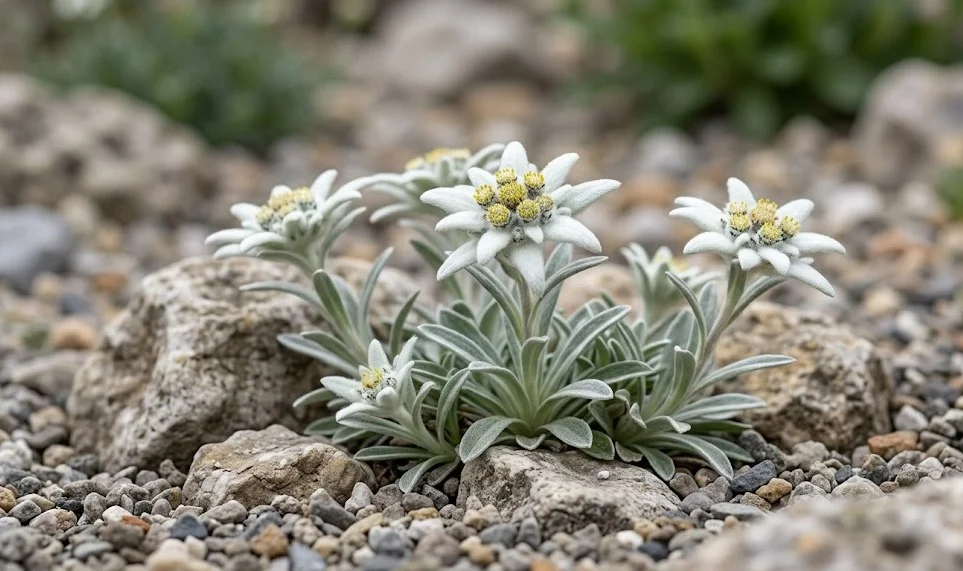
The fine, felt-like hairs that give the edelweiss its name are an evolutionary adaptation to the high levels of UV radiation found at high altitudes. These hairs work by scattering the incoming light, reflecting the most harmful rays away from the delicate internal tissues of the leaf. This reflection is what gives the plant its brilliant white sheen, making it stand out against the grey rocks of the mountains. In a garden setting, the more light the plant receives, the more of this protective “wool” it will produce.
More articles on this topic
In lower elevations, the atmosphere is thicker and filters out much of the UV light that the plant is used to receiving. This can result in a plant that looks slightly less “fluffy” than its wild counterparts, even if it is in full sun. To compensate for this, gardeners should ensure that there is nothing obstructing the light, such as overhanging trees or tall nearby buildings. Maximizing the available solar energy is the best way to encourage the plant to maintain its authentic mountain appearance.
Interestingly, the woolly coating also helps the plant regulate its temperature by providing a layer of insulation against both heat and cold. During the day, the reflected light keeps the leaf surface cooler than it would otherwise be in direct sun. At night, the dense hairs help trap a small amount of heat near the plant, protecting it from sudden temperature drops. This dual-purpose adaptation is a masterpiece of natural engineering that relies entirely on the presence of strong sunlight.
For those living in climates with frequent cloud cover or high pollution levels, the edelweiss may struggle to achieve its full potential. In these cases, placing the plant on a south-facing slope or in a highly reflective environment can help boost its light intake. Using light-colored stones or gravel around the base of the plant can reflect additional sunlight up onto the undersides of the leaves. These small adjustments can make a significant difference in the overall health and color of the plant.
Optimizing solar exposure through placement
The placement of the edelweiss within the garden layout is the most important decision a gardener will make regarding its light needs. A position that receives the first rays of the morning sun is ideal, as this helps to dry off any dew that has settled on the foliage. This rapid drying is a key factor in preventing fungal diseases that can thrive in damp, shaded conditions. Sunlight acts as a natural disinfectant, keeping the silver crown of the plant clean and healthy.
More articles on this topic
If possible, avoid placing the edelweiss in a spot where it will be in the shadow of larger plants for significant portions of the day. Even “bright shade” is often insufficient for this species, which has evolved for life on open, windswept ridges. If you must plant it near other species, choose low-growing companions that will not compete for the sun’s energy. A well-designed rockery ensures that each plant has its own “light window” to the sky without being blocked by its neighbors.
In very hot climates, however, some gardeners have found success by providing a small amount of filtered light during the hottest hours of the afternoon. This can be achieved by placing the plant on the east side of a large rock, which provides a natural sunshade after midday. This technique keeps the plant from getting “baked” while still ensuring it receives plenty of high-quality morning light. The goal is to provide maximum light intensity without pushing the plant beyond its thermal limits.
For container-grown edelweiss, the ability to move the pots throughout the season is a major advantage for light management. You can shift the containers to follow the sun as the seasons change and the shadows in your garden lengthen. In the early spring and late autumn, when the sun is lower in the sky, you might move them to the most open part of the patio. This active management ensures that the plant always has the energy it needs to grow and flower successfully.
Photosynthesis and structural development
Strong light is the primary driver of the edelweiss’s photosynthesis, which provides the sugars needed for all its biological functions. Because the plant grows slowly and in poor soil, it relies heavily on efficient energy production from the sun. A plant that is receiving optimal light will have short internodes, meaning the leaves are packed closely together in a dense rosette. This structural compactness is not only beautiful but also makes the plant more resistant to mechanical damage from wind or snow.
When light is insufficient, the plant’s hormones trigger a survival response that causes the stems to elongate rapidly in an attempt to find more sun. This “leggy” growth is structurally weak and makes the plant look uncharacteristically sparse and unattractive. Once a plant has become etiolated, it is difficult to restore its compact form without significant pruning and a change in its environment. Preventing this issue through proper placement is much easier than trying to fix it later.
The color of the flowers is also heavily dependent on light intensity during the development of the buds. If the plant is shaded during the late spring, the bracts may never achieve that brilliant, snowy white that the edelweiss is famous for. Instead, they may remain a dull cream or even a pale green, which can be a disappointment for the gardener. Ensuring a full sun exposure during the critical weeks leading up to the bloom is essential for a spectacular display.
Finally, light plays a role in the plant’s preparation for winter by signaling the change in seasons as the days become shorter. This natural “clock” helps the edelweiss know when to stop growing and start the hardening-off process. If the plant is grown near strong artificial lights, such as streetlamps, its internal rhythm can be disrupted, potentially leading to winter damage. Maintaining a natural light cycle is an important but often overlooked part of professional botanical care.