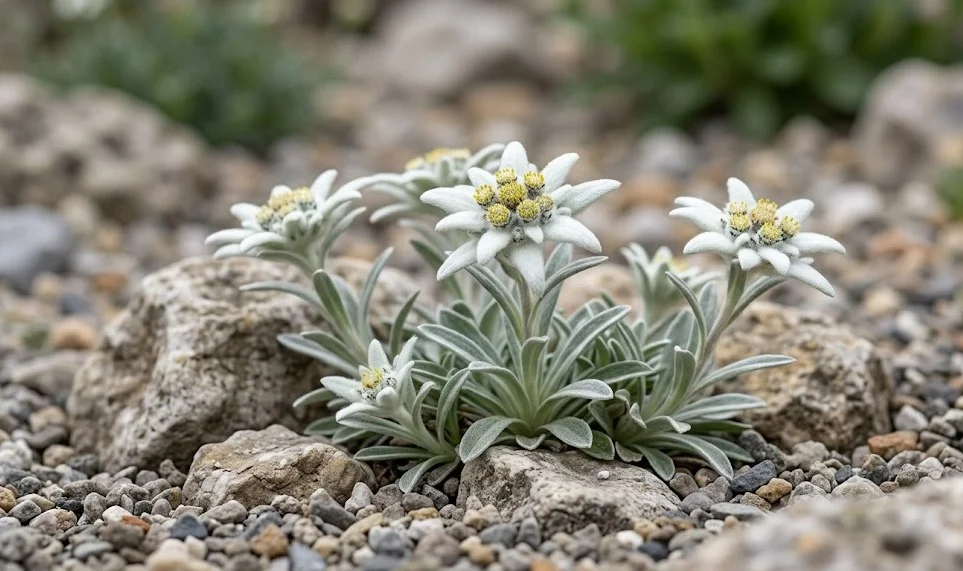

Pruning and trimming are essential maintenance tasks that help preserve the health, form, and longevity of the edelweiss. While this alpine species does not require the extensive pruning that many garden shrubs do, a targeted approach can significantly enhance its appearance. By removing spent blooms and dead foliage at the right time, you encourage the plant to focus its energy where it matters most. A professional touch in this area ensures that your edelweiss remains a vibrant centerpiece of the rockery for years.
The primary reason for pruning edelweiss is to maintain its compact, mounded growth habit, which can sometimes become loose over time. In its natural environment, the harsh winds and heavy snow naturally “prune” the plant by removing weak or dead parts. In the sheltered environment of a garden, the gardener must take on this role to prevent the plant from becoming overly woody or cluttered. Regular trimming also helps to improve airflow within the dense rosettes, reducing the risk of moisture-related diseases.
Timing is critical when it comes to cutting back any part of an alpine plant, as their growing season is relatively short. Pruning too early in the spring or too late in the autumn can expose the plant to damage from unexpected frosts. A general rule of thumb is to perform major cleanup in the early spring and focus on deadheading throughout the summer months. This approach aligns with the plant’s natural rhythms and ensures it has plenty of time to recover and grow.
Using the correct tools and techniques is just as important as knowing when to prune. Because edelweiss is a relatively small and delicate plant, precision is necessary to avoid damaging the central growing points. Sharp, clean shears or specialized garden scissors are the best choice for making clean cuts that heal quickly. This guide provides detailed instructions on how to prune and trim your edelweiss like an expert, ensuring a healthy and beautiful specimen.
Techniques for effective deadheading
Deadheading is the process of removing the flower heads after they have finished blooming but before they begin to produce seeds. For the edelweiss, this task is primarily about aesthetics and preserving the plant’s energy for the following season. Once the white bracts begin to turn brown and lose their velvety texture, they no longer contribute to the beauty of the plant. Removing them keeps the rockery looking tidy and prevents the plant from looking “tired” as the summer progresses.
More articles on this topic
To deadhead correctly, follow the flower stalk down to where it emerges from the main leaf rosette and snip it off cleanly. Be careful not to cut into the rosette itself, as this is where the new growth for the next year will originate. It is often best to wait until the entire stalk has finished blooming before removing it entirely. This single, clean cut is much better for the plant’s health than multiple small snips along the length of the stem.
If you wish to collect seeds, you can leave a few of the best-looking flower heads on the plant until they are fully dry. However, keep in mind that producing seeds takes a significant amount of energy away from the plant’s root and leaf development. For younger or weaker specimens, it is usually better to remove all flower heads to ensure the plant’s survival. Professional growers often balance these two goals by only allowing their most robust plants to go to seed each year.
Removing the spent flowers also prevents the “matting” effect that can occur when dead tissues trap moisture against the living parts of the plant. In humid climates, these old flower heads can become a breeding ground for grey mold or other fungal pathogens. By keeping the plant clean, you are directly contributing to its overall health and disease resistance. Deadheading is a simple but highly effective way to maintain the vibrant silver stars of your alpine garden.
Structural pruning and foliage cleanup
Beyond just removing flowers, a light structural pruning can help rejuvenate an older edelweiss that has become sparse or woody at the base. This involves carefully thinning out some of the older, less productive stems to allow more light and air into the center of the mound. You should only remove a small percentage of the foliage at any one time to avoid shocking the plant. This practice encourages the growth of fresh, vibrant rosettes that will produce more flowers in the future.
More articles on this topic
Early spring, just as the first hints of new growth appear, is the best time for a thorough foliage cleanup. This is when you should remove any leaves that have died off during the winter and become brown or shriveled. These dead leaves can be gently pulled away by hand or snipped off with scissors if they are still firmly attached. Cleaning the base of the plant in this way prevents the buildup of organic matter that can lead to crown rot.
Be very careful not to prune away the silver-green leaves that are still living, even if they look a bit tattered after the winter. These leaves are still providing the plant with energy through photosynthesis and are vital for its spring recovery. Only remove foliage that is completely dead and offers no further benefit to the plant’s health. A cautious and conservative approach is always best when working with slow-growing alpine species like the edelweiss.
As the plant matures, it may naturally expand outwards, occasionally leaving a “bald” spot in the very center of the mound. In these cases, a more significant intervention, such as dividing the plant, may be more effective than simple pruning. However, a light trim of the outer edges can sometimes encourage the plant to fill back in toward the center. Understanding the growth patterns of your specific specimen will help you decide which approach is most appropriate.
Tool sanitation and health monitoring
Maintaining the cleanliness of your pruning tools is a vital but often overlooked aspect of plant care. Fungal and bacterial diseases can easily be spread from one plant to another on the blades of dirty scissors or shears. Before starting any pruning task, wipe your tools down with a solution of rubbing alcohol or a mild bleach mixture. This simple step ensures that you are not accidentally introducing pathogens into the clean cuts you are making.
After pruning, it is a good idea to monitor the plant closely for a few days to ensure that the cuts are healing properly. A healthy plant will quickly “seal off” the wound, preventing any infection from entering the vascular system. If you notice any unusual oozing or darkening around a cut, it may be a sign of a localized infection. In most cases, the edelweiss’s natural resilience and the dry alpine environment will prevent any major issues.
Avoid pruning during periods of high humidity or when the foliage is wet, as this is when fungal spores are most active. Choosing a dry, sunny day for your trimming tasks ensures that the cuts dry out rapidly, which is the best natural protection against disease. This attention to detail is what defines a professional approach to horticulture and ensures the highest level of plant health. Taking the time to do it right pays off in the long-term beauty of your garden.
Finally, remember that the edelweiss is a plant that thrives on a bit of “tough love” and does not need to be pampered. It is better to under-prune than to over-prune, as the plant’s natural form is already very attractive and functional. Your goal as a gardener is simply to support the plant’s natural processes and keep it looking its best. With a few careful snips each year, your edelweiss will continue to shine as a silver icon in your botanical collection.