
The ability of the edelweiss to survive extreme cold is legendary, yet overwintering it in a garden setting requires a specific set of precautions. In the high Alps, these plants are naturally protected by a thick, insulating blanket of snow that maintains a relatively constant temperature near the ground. However, in lower elevations, the winter environment is often characterized by fluctuating temperatures and excessive wetness, which can be far more dangerous than the cold itself. Success depends on mimicking the dry, dormant conditions the plant expects.
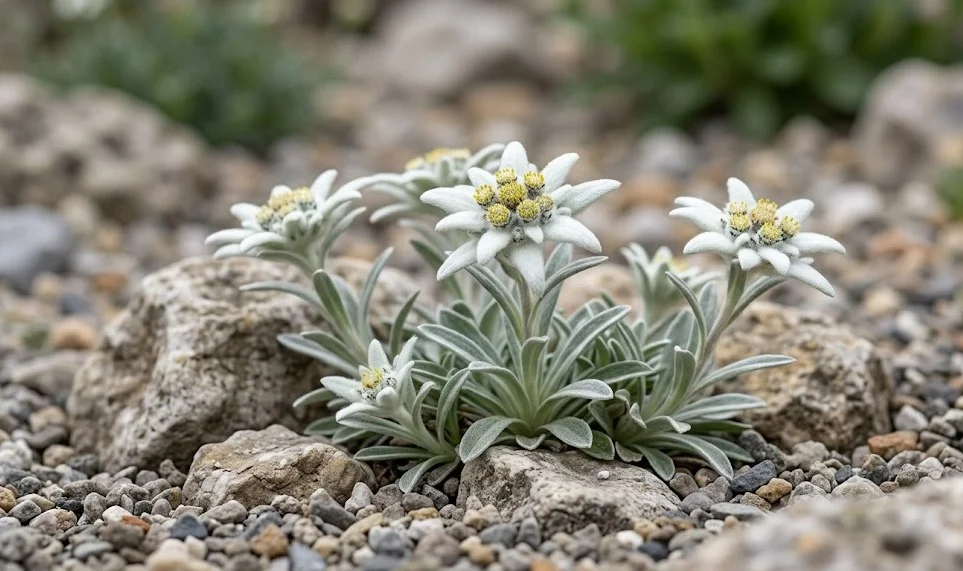
As the days shorten and the first frosts arrive, the edelweiss begins its transition into a deep physiological dormancy. During this period, the plant’s metabolic activity drops to a minimum, and it stops producing new foliage or flowers. This is a vital survival strategy that allows it to conserve energy and protect its core from the freezing temperatures ahead. The silver-green leaves may take on a slightly duller or even brownish appearance, which is a normal part of the seasonal cycle.
The greatest threat during the winter months is not the frost, but the combination of cold and stagnant moisture at the root zone. If the soil remains waterlogged while the temperature is near freezing, the crown of the plant is highly susceptible to rot. In many ways, a wet winter is far more lethal to alpine plants than a very cold, dry one. Therefore, the primary goal of the gardener during this time is to ensure that the plant stays as dry as possible while it rests.
Preparing for winter should be a proactive process that starts well before the ground freezes solid. This involves cleaning up the surrounding area, adjusting the mulch, and potentially providing structural protection if your climate is particularly damp. By understanding the plant’s natural winter habitat, you can create a safe harbor that ensures a vibrant return in the spring. This guide covers the essential steps for successfully guiding your edelweiss through the coldest months of the year.
Physiological changes during dormancy
As winter approaches, the edelweiss undergoes a process called cold hardening, where it alters the chemical composition of its cells to prevent ice damage. The plant increases the concentration of sugars and other solutes in its sap, which acts as a natural antifreeze. This allows the living tissues to withstand temperatures far below zero without the cell walls rupturing. Understanding this internal process helps the gardener appreciate why the plant must not be stimulated into growth during late autumn.
More articles on this topic
The physical appearance of the plant will change as it enters this protective state, often becoming more compact and less vibrant. Some of the outer leaves may die off completely, forming a protective layer around the central growing point or crown. It is important not to prune these dead leaves away until the following spring, as they provide a small amount of natural insulation. Resisting the urge to “tidy up” during the early winter is a key part of professional alpine plant care.
Root activity also slows down significantly, meaning the plant requires almost no supplemental water during the dormant period. Any moisture the plant needs is usually provided by atmospheric humidity or the occasional light rain or snow. Forcing the plant to take up water during this time can disrupt its internal balance and lead to tissue damage. The goal is to let the plant rest undisturbed so that it can focus all its energy on surviving the cold.
In regions with very mild winters, the plant may not go into a full dormancy, which can actually be more taxing on its long-term health. If the temperatures stay too high, the plant may continue to respire at a higher rate without the benefit of active photosynthesis. This can lead to a depletion of stored energy reserves, resulting in a weaker plant when spring finally arrives. Ensuring a clear distinction between the growing and dormant seasons is vital for the plant’s annual vitality.
Protecting the crown from moisture
The central crown of the edelweiss is its most vulnerable point during the winter, as it is the site of future growth. If water collects in the center of the rosette and then freezes, it can cause physical damage to the delicate growing tip. This is why a gritty, free-draining substrate is so essential for the plant’s survival throughout the year, but especially in winter. Ensuring that the crown is slightly elevated above the surrounding soil level helps shed any falling water.
More articles on this topic
In areas with high winter rainfall but little snow, many gardeners use a “rain shield” to keep their alpine plants dry. This can be as simple as a piece of glass or clear plastic propped up on stones over the plant to deflect the worst of the rain. It is crucial to leave the sides open to allow for plenty of air circulation, as trapping stagnant air is just as dangerous as the rain itself. This technique mimics the dry, cold environment of the high mountains where liquid water is rare in winter.
A layer of sharp gravel or stone chippings around the base of the plant is another effective way to protect the crown. This mulch prevents soil from splashing up and keeps the foliage off the damp ground, reducing the risk of fungal infections. It also helps to stabilize the temperature of the soil, preventing the rapid freezing and thawing that can stress the root system. Choosing a light-colored stone can also reflect some light back onto the plant during the short winter days.
If you are growing edelweiss in containers, you have the advantage of being able to move them to a more sheltered location. Placing the pots under the eaves of a house or in an unheated greenhouse can provide the perfect winter environment. Just make sure the plants still receive some natural light and are not kept too warm, which could trigger premature growth. A cool, dry, and well-ventilated spot is the ideal winter home for a potted edelweiss.
Managing snow and ice cover
In its natural habitat, the edelweiss is often buried under several meters of snow for five or six months of the year. This snow is actually a gardener’s best friend, as it acts as an incredibly efficient insulator against extreme air temperatures. Under the snow, the ground rarely drops far below freezing, even when the air above is minus thirty degrees. If you live in a snowy climate, you can simply let nature take its course and leave the plants buried.
Problems arise when the snow cover is inconsistent or when it turns into heavy, suffocating ice. Ice can prevent the exchange of gases between the plant and the atmosphere, potentially leading to oxygen deprivation. If a thick layer of ice forms over your alpine bed, it may be necessary to carefully break it up to allow the plant to breathe. However, be extremely cautious not to damage the dormant foliage or the crown underneath while doing so.
Heavy, wet snow can also be a physical burden, potentially crushing the delicate structure of the plant. While edelweiss is generally flexible enough to handle a normal snow load, an unusually heavy accumulation can be problematic. Gently brushing off the excess snow from your rockery plants after a major storm can prevent mechanical damage. This is especially important for young plants that have not yet developed a sturdy, woody base.
As the snow begins to melt in the spring, the gradual release of moisture provides the perfect “wake-up call” for the plant. This natural irrigation system is exactly what the edelweiss has evolved to respond to as it breaks dormancy. The transition from being covered in snow to being exposed to the spring sun should be a slow and natural process. Observing this transition is one of the most fascinating aspects of growing high-altitude flora in a home garden.
Preparing for the spring revival
The end of the overwintering period is just as critical as the beginning, as the plant transitions back into its active growth phase. As the soil warms up and the days get longer, you will see the first tiny hints of silver-green growth in the center of the crown. This is the time to carefully remove any debris that has accumulated over the winter, such as fallen leaves or dead twigs. Clearing the area ensures that the new shoots have plenty of room to expand and receive maximum sunlight.
If you used a rain shield or other artificial protection, it should be removed gradually as the weather stabilizes. Do not take it off on the first warm day, as late spring frosts can still be quite sharp and damaging to new growth. Instead, wait until the risk of severe freezing has passed and the plant is clearly showing signs of vigor. This cautious approach prevents the “shock” that can occur when moving from a protected to an exposed state.
A light cleaning of the dead outer leaves can be done once the plant is actively growing and the weather is consistently mild. Use sharp, clean scissors to snip away any truly dead or slimy foliage, being careful not to nick the new shoots. This improves the appearance of the plant and further reduces the risk of fungal problems as the humidity rises in spring. A tidy plant is a healthy plant, ready to take on the challenges of the new growing season.
Finally, check the soil to ensure that winter “heaving” hasn’t left the roots exposed or the plant sitting in a depression. If necessary, top up the gravel mulch and firm the soil around the base to ensure good contact with the root system. This simple maintenance task provides the stability the plant needs to support its summer flower stalks. With these steps completed, your edelweiss is well-prepared to reward you with its spectacular silver stars once again.