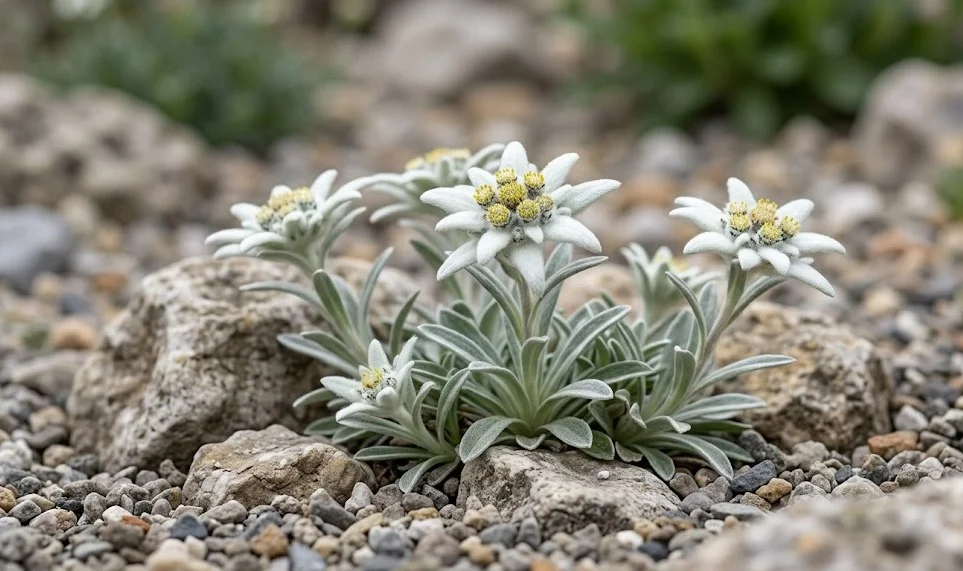

Maintaining the health of the edelweiss involves a proactive strategy to identify and mitigate various diseases and pests that can threaten its survival. While this plant is naturally rugged and adapted to harsh conditions, it can be vulnerable when grown outside its native alpine habitat. Lowland gardens often present challenges such as high humidity, stagnant air, and a different array of pathogens that the plant is not always equipped to handle. A professional gardener must be vigilant in monitoring for the earliest signs of trouble.
The most significant threat to edelweiss in a garden setting is almost always related to moisture and fungal infections. Because the plant is covered in fine hairs designed to trap heat and reflect light, it can easily trap moisture against its own tissues. This creates a micro-environment that is ideal for the growth of molds and rots if the surrounding air is not moving freely. Understanding the conditions that favor these diseases is the first step in creating an effective prevention and treatment plan.
Insects and other garden pests can also pose a problem, particularly during the spring when the new, tender growth is most attractive. While the edelweiss is not usually the first choice for many pests, it can become a target if other food sources are scarce or if the plant is already weakened. Slugs, snails, and certain types of aphids are the most common culprits that gardeners need to watch out for. Identifying these intruders early can prevent a minor nuisance from becoming a catastrophic loss for your rockery.
A holistic approach to plant health focuses on strengthening the plant’s natural defenses through proper care and environmental management. A stressed plant is far more likely to fall victim to disease than one that is growing in its ideal conditions. By ensuring excellent drainage, adequate sunlight, and proper spacing, you remove many of the factors that lead to infestations and infections. This guide provides detailed information on how to recognize, prevent, and treat the most common issues affecting the legendary edelweiss.
Managing fungal and bacterial infections
The most prevalent fungal issue for edelweiss is crown rot, which usually starts at the base of the plant and works its way upward. This condition is often caused by soil that remains too wet for extended periods, allowing pathogens like Phytophthora to thrive. Symptoms include a darkening of the base of the rosettes and a sudden wilting of the leaves, even if the soil is damp. Once crown rot has taken hold, it is very difficult to save the plant, making prevention through drainage the most critical strategy.
More articles on this topic
Powdery mildew can also appear on the leaves, especially during warm, humid summers with little air circulation. This appears as a white, flour-like dusting on the silver hairs, which can eventually lead to the browning and death of the affected foliage. To combat this, ensure that your plants are not overcrowded and that they are situated in a breezy location. If the infection is caught early, removing the most affected leaves can help prevent the spores from spreading to the rest of the colony.
Leaf spot diseases, caused by various fungal or bacterial agents, manifest as small, dark necrotic patches on the silver-green leaves. These spots can merge over time, significantly reducing the plant’s ability to photosynthesize and maintain its vigor. Keeping the foliage dry during watering is the best way to prevent these pathogens from establishing themselves on the plant. If you notice persistent spotting, a copper-based fungicide can be used as a treatment, though it should be applied carefully to avoid damaging the delicate hairs.
Botrytis, or grey mold, is another concern, particularly in the autumn when dead flowers and leaves can trap moisture. This fungus appears as a fuzzy grey growth that can quickly consume decaying plant matter and move into healthy tissues. Regularly cleaning up spent blooms and removing any yellowing leaves helps to eliminate the primary breeding ground for this disease. Maintaining a tidy garden bed is not just about aesthetics; it is a vital part of a professional disease management program.
Controlling common garden pests
Slugs and snails are perhaps the most destructive physical pests for edelweiss, especially in the damp early days of spring. These mollusks are attracted to the soft, emerging shoots and can chew through the center of a rosette in a single night. Because edelweiss grows slowly, this type of damage can set the plant back for an entire season or even kill a young specimen. Creating a barrier of sharp grit or using organic slug pellets can help protect your plants from these nocturnal visitors.
More articles on this topic
Aphids can occasionally colonize the undersides of the leaves or the flower stalks, sucking the sap and weakening the plant. These tiny insects can also transmit viral diseases, making them more than just a physical nuisance to the gardener. A strong stream of water can sometimes dislodge them, but be careful not to over-saturate the plant in the process. For more persistent infestations, an insecticidal soap or a diluted neem oil solution is usually effective without being overly toxic to the environment.
Spider mites may become a problem during hot, dry spells when the air is particularly still around the plants. These microscopic pests cause a stippling effect on the leaves, which eventually turn yellow and take on a “burnt” appearance. They are often accompanied by fine webbing between the leaves, which is a clear indicator of their presence. Increasing the humidity slightly through a very fine misting in the early morning can help deter these mites, as they prefer bone-dry conditions.
Root-feeding larvae, such as those of the vine weevil, are a hidden danger that can cause the sudden collapse of an otherwise healthy plant. These grubs eat the root system from the bottom up, often leaving the gardener unaware of the problem until it is too late. If a plant seems loose in the soil or fails to respond to watering, it is worth checking the root zone for these small, C-shaped larvae. Biological controls, such as beneficial nematodes, are a highly effective and professional way to manage these soil-dwelling pests.
Integrated pest management strategies
The best defense against any pest or disease is a healthy, resilient plant that is growing in its preferred environment. This concept, known as Integrated Pest Management (IPM), prioritizes cultural controls and biological solutions over harsh chemical treatments. By creating an authentic alpine environment with high light and perfect drainage, you naturally discourage most lowland pests. A plant that is not stressed by incorrect care will have much stronger natural chemical defenses against intruders.
Encouraging beneficial insects, such as ladybugs and hoverflies, can provide a natural balance to the aphid population in your garden. These predators are very efficient at hunting down and consuming common pests before they can cause significant damage. Planting a variety of nectar-rich flowers nearby can help attract these garden allies and keep your rockery ecosystem healthy. This approach is much more sustainable and professional than relying on broad-spectrum insecticides that kill everything they touch.
Regular inspections are the cornerstone of any successful management plan, allowing you to catch problems while they are still manageable. Spend a few minutes each week looking closely at the centers of the rosettes and the undersides of the leaves for any changes. Early intervention, such as manual removal of a few slugs or pruning a single diseased leaf, can prevent a major outbreak. This proactive habit is what separates an expert gardener from a casual hobbyist.
Maintaining cleanliness in and around the alpine bed is also a key factor in reducing pest and disease pressure. Remove any weeds that might compete for nutrients or provide a hiding place for unwanted insects and mollusks. Similarly, clear away fallen leaves from nearby trees that might blow into the rockery and trap moisture against the edelweiss. A clean, mineral-focused environment is much less hospitable to the pathogens and pests that typically plague garden plants.
Environmental stress and physiological disorders
Sometimes a plant may look unhealthy not because of a disease or pest, but because of a physiological response to the environment. For example, “legginess” or stretching of the stems is almost always a sign of insufficient light rather than a viral infection. The plant is simply trying to reach for more sun, which results in a weak and unattractive structure. Moving the plant to a brighter location or removing overhead obstructions is the simple and effective cure for this issue.
Browning of the leaf tips can be caused by several factors, including windburn or an accumulation of salts from tap water. In very exposed sites, harsh winds can dry out the edges of the leaves faster than the roots can supply moisture. Providing a small windbreak or using rainwater for irrigation can often resolve these unsightly cosmetic problems. Understanding the difference between environmental stress and actual disease is crucial for providing the correct treatment.
The loss of the characteristic white color in the bracts can be a sign of low UV light or a lack of specific minerals like calcium. If the “stars” of your edelweiss look more green or yellow than white, the plant is likely not under enough beneficial stress. Remember that the white wool is a protective layer, and the plant will only produce it in abundance when it feels the need for protection. Re-evaluating the light exposure and soil chemistry can help restore the plant’s legendary appearance.
Winter “heaving” is a physical disorder where the freezing and thawing of the soil pushes the plant out of the ground. This exposes the delicate roots to the cold air and can lead to desiccation and death if not corrected. After a hard frost, check your plants to ensure they are still firmly anchored in the substrate and gently press them back down if necessary. A thick layer of gravel mulch is very effective at stabilizing the soil temperature and preventing this from happening in the first place.
Long term health and resilience
Ensuring the long-term health of an edelweiss colony requires a commitment to consistent, high-quality care throughout the years. These plants are built for endurance, and with the right support, they can be a permanent fixture of your garden. As the plants age, they may become slightly more woody at the base, which is a natural part of their maturation process. This does not necessarily indicate a problem, but it may suggest that it is time to divide the plant to maintain its vigor.
Maintaining a record of any issues you encounter can help you identify patterns and improve your care over time. Perhaps you notice that a certain part of your garden is more prone to slugs, or that the plants in one trough always flower later. This kind of detailed observation is invaluable for refining your approach and becoming a true expert in alpine gardening. Sharing these findings with other enthusiasts also contributes to the collective knowledge of this specialized field.
The resilience of the edelweiss is one of its most inspiring qualities, as it continues to thrive in conditions that seem impossible. By respecting its unique needs and protecting it from common garden threats, you are participating in the preservation of a botanical icon. The satisfaction of seeing a healthy, pest-free edelweiss in full bloom is well worth the effort and vigilance required. It remains one of the most rewarding challenges for any professional gardener dedicated to the art of mountain flora.
As you become more familiar with the plant’s rhythms, you will develop an intuition for its health and well-being. You will start to notice subtle changes in the texture of the leaves or the angle of the flowers that indicate how the plant is feeling. This deep connection between the gardener and the garden is the ultimate goal of all horticultural endeavors. A healthy edelweiss is a testament to the skill and dedication of its caretaker, standing as a silver star in the landscape.