
Preparing your landscape for the cold months is a fundamental part of maintaining a healthy and resilient garden. While this species is exceptionally hardy, taking a few proactive steps can ensure it survives even the harshest winters without significant damage. A professional overwintering strategy focuses on protecting the root system and managing the structural integrity of the branches. By understanding the plant’s needs during its dormant phase, you can ensure a vibrant return to growth when spring arrives.
The first step in winter preparation begins long before the first frost hits the ground. You should stop any heavy fertilization by late summer to prevent the stimulation of new, tender growth that wouldn’t have time to harden off. This hardening process allows the wood to develop the cellular structure needed to withstand freezing temperatures without splitting. A gradual wind-down of the plant’s metabolic activity is essential for its natural transition into the dormant state.
Watering remains important in the weeks leading up to the ground freezing, especially if the autumn has been particularly dry. A well-hydrated plant is much better equipped to handle the desiccating effects of cold winter winds. You should provide a final, deep soak before the first hard freeze to ensure the root zone has ample moisture stored. This simple step can prevent the “winter burn” that often affects the branches of trees that go into dormancy while dehydrated.
Mulching is another critical component of a professional overwintering plan for any garden shrub or tree. Applying a thick layer of organic material around the base of the plant helps to insulate the soil and keep temperatures more stable. This prevents the cycle of freezing and thawing that can sometimes heave young plants out of the ground. Be sure to keep the mulch a few inches away from the trunk itself to prevent moisture-related bark issues during the winter.
Protecting against physical winter damage
Heavy snowfall can pose a significant threat to the structural integrity of the branches, particularly on younger specimens. The weight of wet, heavy snow can cause branches to bend or even snap, leading to permanent disfigurement of the tree. You should gently brush off any large accumulations of snow after a major storm using a soft broom or your hands. Avoid shaking the branches violently, as they can be quite brittle when frozen and may break more easily.
More articles on this topic
In areas with very high winds or extreme cold, you might consider creating a temporary windbreak for younger or more exposed plants. A simple screen made of burlap or specialized garden fabric can deflect the worst of the biting winds that cause branch dieback. This is particularly helpful during the first two or three winters after planting when the tree is still establishing its resilience. Once the plant is mature, its natural toughness and deep roots will be more than enough to handle most winter weather.
Ice storms are perhaps the most dangerous winter event for garden trees, as the weight of the ice is much greater than that of snow. If your plant becomes coated in ice, the best professional advice is often to leave it alone and let the ice melt naturally. Trying to break the ice off manually almost always results in more damage to the bark and the delicate buds. If a branch does break, wait for a warmer day to make a clean, professional cut to remove the damaged portion.
Small animals, such as rabbits or voles, can sometimes cause damage during the winter by gnawing on the bark for food. This can be prevented by installing a simple wire mesh guard around the lower portion of the trunk. Make sure the guard is buried a few inches into the ground and stands at least two feet high to account for snow depth. This physical barrier is a simple and effective way to protect the vital cambium layer from hungry winter visitors.
Managing the dormant phase
During the deep winter, the plant is in a state of true dormancy, meaning its internal processes have slowed to a near-halt. This is the perfect time to step back and observe the structural form of the tree without the distraction of its leaves. You can easily see the branching pattern and identify any crossing or rubbing branches that may need attention in the future. This “skeletal” view provides a unique perspective on the plant’s development and overall aesthetic balance.
More articles on this topic
Late winter, just before the buds begin to swell, is often the best time for major structural pruning if it is needed. Because the plant is still dormant, the risk of disease transmission is much lower and the wounds will heal quickly as soon as growth resumes. You should focus on removing any dead, damaged, or diseased wood that occurred over the winter months. This clean-up process ensures that all the plant’s energy in the spring goes toward healthy new growth.
If you are growing this species in a container, additional precautions are necessary since the roots are more exposed to the cold. You should move the container to a sheltered spot, such as against a south-facing wall or inside an unheated garage or shed. Wrapping the pot in bubble wrap or burlap can also provide an extra layer of insulation for the delicate root mass. Even in a container, the plant will need a very occasional drink of water if the soil becomes completely bone-dry.
Monitoring the transition from winter to spring is a rewarding experience for any dedicated gardener. You will start to see the buds fattening and perhaps a slight change in the color of the bark as the sap begins to move. This is the signal to start your spring maintenance routine and prepare the plant for its most active time of the year. The successful overwintering of your plant is a testament to your skill and the natural resilience of the species.
Long-term winter resilience strategies
Building long-term resilience is about more than just seasonal tasks; it’s about the overall health and placement of the plant. A tree that has been grown in the right soil with adequate moisture throughout the year will always be more winter-hardy. You should avoid over-pampering the plant during the growing season, as this can lead to soft growth that is less resistant to the cold. Professional gardening is about fostering natural strength rather than providing constant artificial support.
Choosing the right cultivar for your specific climate zone is also a key factor in long-term winter success. Some varieties are specifically bred for their cold tolerance or for a more compact growth habit that is less prone to snow damage. If you live in a particularly harsh region, doing your research before planting can save you a lot of worry in the future. Always check the hardiness ratings provided by reputable nurseries and local agricultural organizations.
Integrating the plant into a diverse landscape can also provide natural protection against the elements. Grouping it with other hardy shrubs and trees creates a microclimate that is slightly warmer and less windy than an isolated spot. This community effect is beneficial for all the plants involved and leads to a more stable and resilient garden ecosystem. Think about your garden as a whole system rather than just a collection of individual specimens.
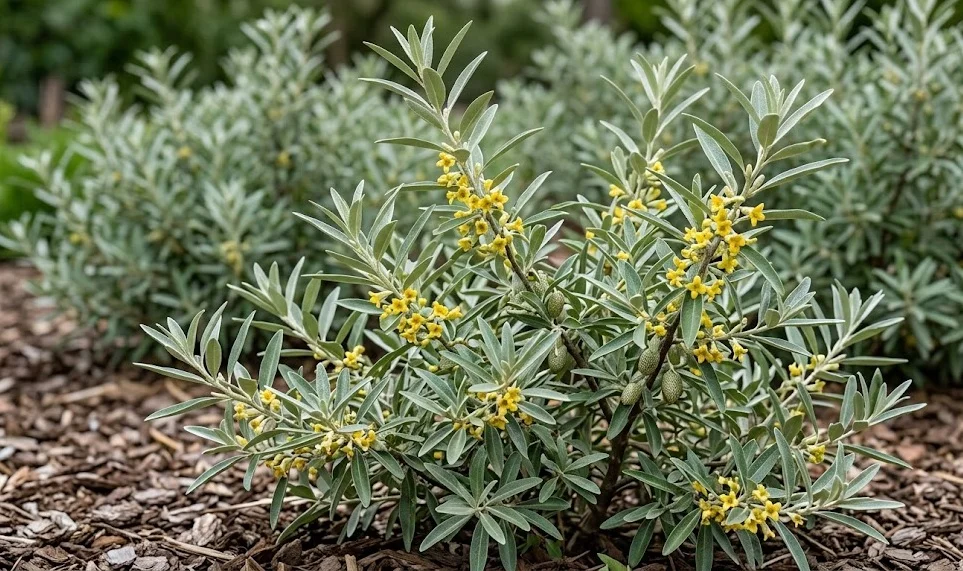
Finally, remember that this species has survived in some of the most difficult climates on earth for thousands of years. Its silvery leaves and tough bark are evolutionary adaptations to extreme light, heat, and cold. By providing a basic level of professional care, you are simply helping it to reach its full potential in your personal landscape. Trust in the plant’s inherent durability while giving it the support it needs to thrive through every season.