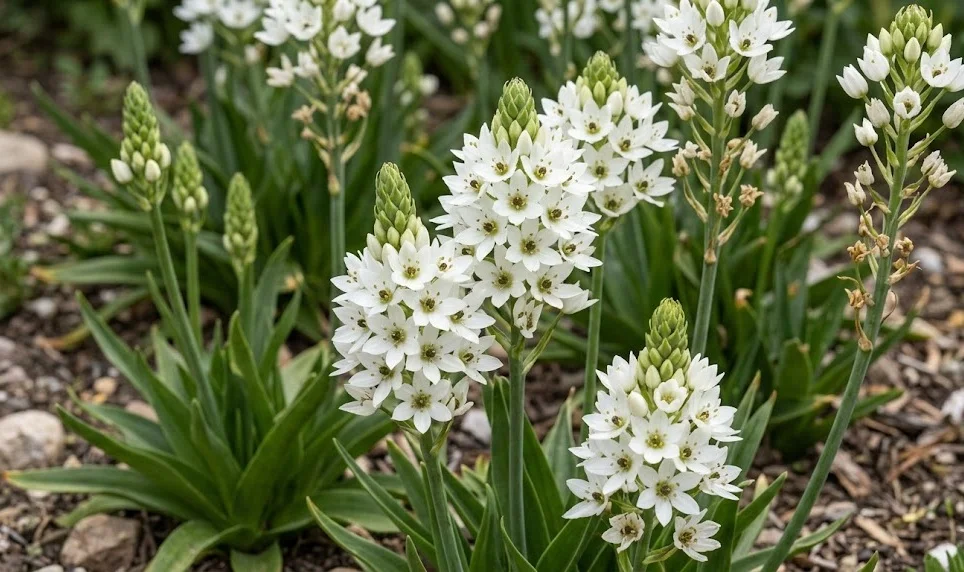

The chincherinchee is a sun-loving species that relies on high light levels to produce its spectacular floral displays and maintain its structural integrity. In its native South African habitat, it is accustomed to long days of intense, direct sunlight across open landscapes. When grown in a garden or as a houseplant, providing sufficient light is often the most important factor for success. Understanding how light intensity and duration affect the plant’s growth will help you choose the best possible location.
Insufficient light is the most common cause of poor performance, leading to weak stems and a lack of flowers. When a plant does not receive enough light, it undergoes a process called etiolation, where it stretches toward the nearest light source. This results in tall, spindly growth that is unable to support the weight of its own blossoms. To avoid this, you must ensure that the plant has access to at least six to eight hours of bright, direct light every day.
The quality of the light is just as important as the quantity when it comes to the complex process of photosynthesis. Full-spectrum sunlight provides the specific wavelengths of light that the plant needs for both vegetative growth and flower development. If you are growing the plant indoors, placing it near a south-facing window is usually the best option for maximizing light exposure. In some cases, supplemental artificial lighting may be necessary to compensate for shorter winter days or cloudy climates.
While the plant loves the sun, extreme heat combined with very intense light can sometimes cause stress to the foliage. In regions with exceptionally hot summers, a small amount of afternoon shade can actually be beneficial for preserving the delicate petals. The goal is to provide maximum light without allowing the plant to become scorched or dehydrated by the mid-day sun. Professional growers learn to read the subtle signs of light stress and adjust the plant’s position accordingly.
Maximizing outdoor sunlight
In a garden setting, the chincherinchee should be planted in a location that is not shaded by large trees or buildings for the majority of the day. South-facing slopes or open flower beds are ideal because they receive the most consistent and intense light throughout the season. Even a few hours of shade during the morning or afternoon can significantly reduce the total energy available to the plant. If you have a particularly shady garden, consider growing this species in mobile containers that can be moved to the sunniest spots.
More articles on this topic
The orientation of your planting site can also impact how the light reaches the lower leaves and the base of the stems. Planting in rows that run from north to south ensures that all sides of the plant receive equal light as the sun moves across the sky. This promotes more symmetrical growth and prevents the plant from leaning in one specific direction. A well-lit base also helps to keep the soil warm, which is beneficial for the development of the bulb and its root system.
Reflective surfaces near the planting area, such as light-colored walls or fences, can help to increase the total amount of light reaching the plants. This is a useful trick for gardens that are on the edge of the plant’s light requirements and need a little extra boost. However, be careful with highly reflective glass or metallic surfaces that could create “hot spots” and cause localized burning. The goal is a bright, diffused light that fills the entire space and supports healthy, even growth.
Seasonal changes in the sun’s path mean that a spot that is sunny in the spring might be shaded by leafy trees in the summer. It is important to observe your garden throughout the year to understand how the light patterns shift and change. If you notice your plants are starting to struggle as the season progresses, it may be due to a change in the available light. Proper planning and site selection are the best ways to ensure that your chincherinchee remains healthy and productive all season long.
Indoor light management
When kept as an indoor plant, the chincherinchee requires the brightest spot in the house to thrive and bloom successfully. A south-facing windowsill is almost always the best choice, as it provides the longest duration and highest intensity of light. If a south-facing spot is not available, an east or west-facing window can work, but the plant may not be as vigorous. North-facing windows are generally too dark for this species and should be avoided unless supplemental light is provided.
More articles on this topic
Rotating the pot by ninety degrees every week is a simple but effective way to ensure that the plant receives even light on all sides. Indoor plants naturally grow toward the light, which can lead to a lopsided or leaning appearance if they are not moved regularly. This practice also ensures that the inner leaves receive enough light to stay healthy and perform photosynthesis. Consistency is key when it comes to managing light for indoor specimens to maintain their elegant and upright form.
During the winter months or in particularly dark homes, the use of LED grow lights can make a significant difference in the plant’s health. These lights can be set on a timer to provide a consistent twelve to fourteen hours of light, mimicking a long summer day. Place the lights about six to twelve inches above the top of the plant to provide enough intensity without causing heat damage. Artificial lighting is a professional tool that allows you to enjoy these beautiful flowers even in less-than-ideal indoor environments.
The distance between the plant and the window also plays a major role in the intensity of the light it receives. Light levels drop off very quickly as you move even a few feet away from a glass pane. If you notice the plant starting to stretch or the leaves turning a paler shade of green, it is a clear sign that it needs to be closer to the light. Keeping the window glass clean is another small but helpful task, as dust and grime can block a surprising amount of beneficial light.
Adapting to light intensity
While the chincherinchee is a sun-lover, it is important to acclimate the plant gradually when moving it from a darker to a brighter location. Sudden exposure to intense sunlight after being in a dim room can cause “sunscald,” which appears as white or bleached patches on the leaves. To prevent this, move the plant to its new sunny home in stages over the course of a week. Start with an hour of direct sun and gradually increase the time until the plant is fully adjusted.
The color and texture of the foliage are excellent indicators of whether the plant is receiving the correct amount of light. Healthy leaves should be a vibrant, deep green and feel firm and turgid to the touch. If the leaves are turning yellow or looking washed out, it could be a sign of light stress or even too much direct, scorching sun. Observing these subtle changes allows you to make informed decisions about whether to provide a bit of shade or move the plant to a brighter spot.
In the height of summer, very high light levels are often accompanied by high temperatures that can cause the plant to lose water faster than it can take it up. If you notice the leaf tips turning brown and crispy, it may be a sign that the combination of light and heat is too much. In these cases, providing some filtered light or moving the plant a bit further from the window during the hottest part of the day can help. This small adjustment can preserve the health of the foliage and ensure the plant stays looking its best.
Light is not only important during the active growing season but also plays a role in the plant’s entry into and exit from dormancy. Shorter days in the autumn are a natural signal to the plant that it is time to start moving its resources down into the bulb. Conversely, the increasing light levels of spring act as a wake-up call that triggers the first green shoots to emerge. By understanding these natural cycles, you can better support the plant’s biological needs throughout the entire year.