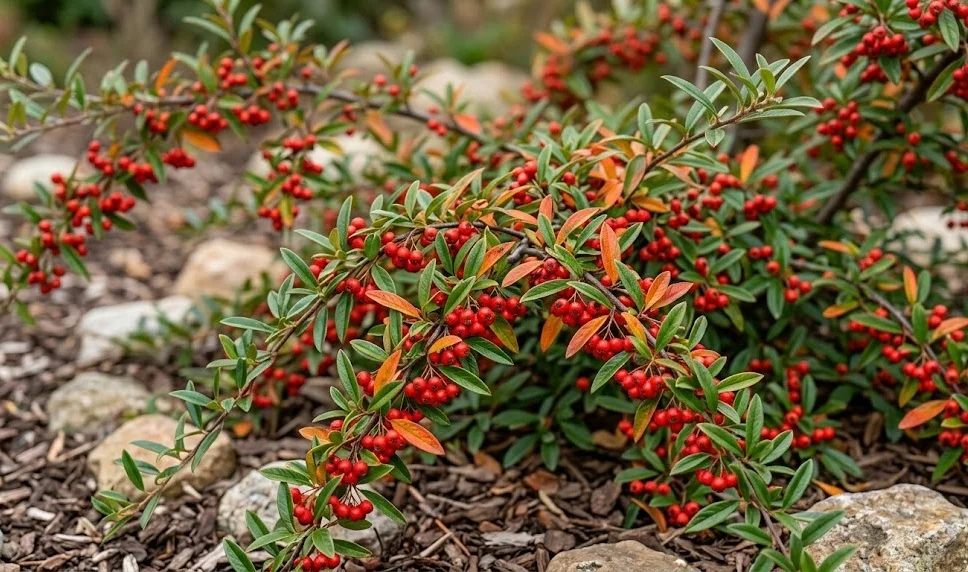

The comprehensive maintenance of willow-leaved cotoneaster requires a deep understanding of its natural growth patterns and environmental needs to ensure a healthy landscape specimen. This ground-covering shrub is highly valued for its weeping habit and vibrant red berries that persist well into the colder months. To achieve the best results, you should focus on creating a balanced environment where the plant can establish a strong root system. Proper care involves a combination of site management, nutrient monitoring, and timely intervention throughout the growing season.
Maintaining the soil health around your cotoneaster is a fundamental aspect of long-term care that should never be overlooked. These plants generally prefer well-drained soil that allows oxygen to reach the roots effectively even during periods of heavy rainfall. If the soil becomes too compacted, the plant may show signs of stress through yellowing leaves or a lack of new growth. You can improve the soil structure by occasionally adding organic matter which helps maintain the delicate balance of moisture and aeration.
Effective weed control is essential for young plants that are still trying to establish their footprint in the garden. Competitive weeds can quickly sap the nutrients and moisture from the topsoil, leaving the cotoneaster struggling for survival. Using a thick layer of organic mulch can significantly reduce weed germination while also keeping the root zone cool. You should inspect the area regularly to remove any persistent weeds that manage to break through the protective mulch layer.
The microclimate of your garden plays a significant role in how often you need to provide supplemental care to this hardy shrub. Plants located in wind-exposed areas may lose moisture through their leaves much faster than those in sheltered spots. It is important to observe how the foliage reacts to different weather patterns, such as extreme heat or sudden cold snaps. Adjusting your care routine based on these observations will ensure the plant remains resilient and maintains its ornamental value throughout the year.
Mulching serves as a protective barrier that mimics the natural forest floor where many of these species originated. You should use materials like shredded bark or wood chips that decompose slowly over time to provide a steady supply of organic components. This practice not only suppresses weeds but also prevents soil erosion during heavy rainstorms which can expose the sensitive root crown. A well-maintained mulch layer should be refreshed annually to maintain its effectiveness and visual appeal in the landscape.
More articles on this topic
Monitoring the growth rate and overall vigor of the cotoneaster provides vital clues about its general health and well-being. A healthy specimen should produce vigorous new shoots each spring and develop a dense canopy of glossy green leaves. If you notice that the growth has slowed down significantly, it might be time to evaluate the environmental conditions or nutrient levels. Keeping a gardening journal can help you track these changes and identify patterns that require your professional attention.
Seasonal transitions require specific adjustments to your care strategy to help the plant adapt to changing temperatures and light levels. In the spring, the focus should be on supporting new growth, while the autumn months are better suited for preparing the plant for dormancy. You must remain vigilant during the height of summer when high evaporation rates can lead to leaf scorch if the plant is not properly hydrated. Understanding these seasonal rhythms allows you to provide the right type of support at the exactly right time.
Soil and site conditions
The foundation of a healthy willow-leaved cotoneaster begins with the selection of a site that offers the perfect balance of drainage and nutrients. While this plant is notably adaptable to various soil types, it performs exceptionally well in loamy soils that are rich in organic material. You should avoid areas where water tends to pool after a rainstorm as constant wet feet can lead to root decay. Analyzing the soil texture before planting allows you to make necessary amendments to ensure a successful long-term outcome.
Site selection also involves considering the physical space the plant will occupy as it matures into its characteristic weeping form. You should provide enough room for the branches to spread naturally without being crowded by neighboring plants or structural elements. Air circulation is another critical factor that helps prevent the development of foliar diseases in humid environments. A site that offers a gentle slope can be particularly beneficial for promoting natural drainage and preventing waterlogging.
More articles on this topic
Environmental stressors and monitoring
Identifying environmental stressors early on can prevent minor issues from becoming major problems that threaten the health of the shrub. Heat stress often manifests as wilting or curled leaf edges, indicating that the plant is losing water faster than it can be replaced. Conversely, cold damage might appear as blackened stems or dropped leaves following a late spring frost event. Regular inspections allow you to intervene with temporary shading or protective covers when extreme weather is forecasted.
Visual monitoring should include checking the undersides of leaves and the intersections of branches where problems often hide. You should look for any changes in leaf color or texture that might suggest a physiological imbalance or environmental pressure. Documentation of these observations helps in building a comprehensive history of the plant’s performance in your specific garden environment. This proactive approach ensures that the cotoneaster remains a vibrant and healthy component of your outdoor space.
Nutritional balance and soil health
Achieving a nutritional balance is about more than just adding fertilizer; it involves fostering a living soil ecosystem. Beneficial microorganisms in the soil help break down organic matter into forms that the plant can easily absorb through its roots. You can support these organisms by avoiding the over-use of harsh chemicals and maintaining consistent moisture levels. A healthy soil life leads to a more resilient plant that can better withstand pests and diseases naturally.
Soil pH is another factor that influences how well the cotoneaster can access the nutrients present in the earth. These plants typically prefer a neutral to slightly acidic environment where most essential minerals are readily available. If the soil is too alkaline, you might see signs of chlorosis, which is a yellowing of the leaves while the veins remain green. Regular soil testing provides the data needed to make precise adjustments to the pH level using sulfur or lime as required.
Seasonal care transitions
As the seasons change, the physiological needs of the willow-leaved cotoneaster shift to meet the challenges of the environment. In the early spring, you should focus on cleaning up any debris from the winter to prevent the buildup of pathogens. This is also the time when the plant prepares for a burst of energy to produce new foliage and flowers. Providing a gentle boost of nutrients during this period can set the stage for a successful growing season.
During the late autumn, the plant begins to move nutrients from the leaves into the root system for storage over the winter. You should reduce any high-nitrogen inputs during this time to avoid encouraging tender new growth that could be damaged by frost. Cleaning up fallen berries and leaves can help reduce the overwintering sites for various garden pests. This transition phase is critical for ensuring the plant has the reserves necessary to survive the dormant period and emerge strong in the spring.