
Pruning is a vital maintenance task that helps keep the chincherinchee looking its best and ensures the long-term health of the bulb. While this species does not require extensive shaping like a shrub, targeted cutting of spent flowers and dead foliage is essential. This process prevents the plant from wasting energy on seed production and reduces the risk of disease. A professional approach to pruning focuses on timing and the use of clean, sharp tools to minimize stress on the plant.
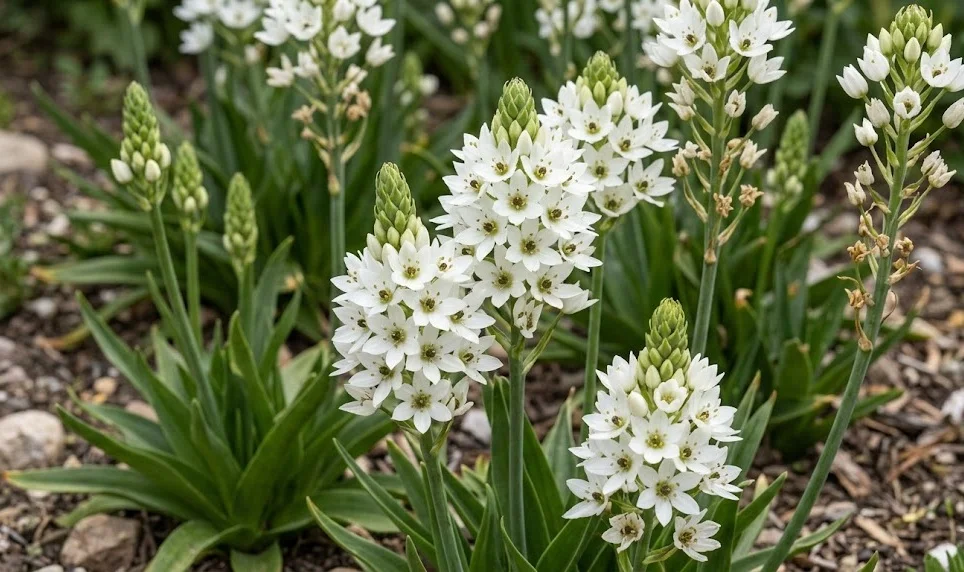
Deadheading, which is the removal of faded flowers, is the most common pruning task you will perform during the blooming season. By removing the flower spikes once they have finished their display, you encourage the plant to focus its resources on bulb development. This is particularly important if you want the bulb to return with even more vigor in the following year. It also maintains a neat and tidy appearance in the garden, preventing the sight of brown and decaying stalks.
Managing the foliage is a bit more nuanced, as the green leaves are the primary engine for the plant’s energy production. You should never prune healthy, green leaves, even if they appear a bit floppy or untidy. The plant needs these leaves to perform photosynthesis and store nutrients for the upcoming dormant period. Only when the leaves have turned completely yellow or brown and become dry should they be removed from the plant.
Knowing when to stop pruning and let nature take its course is a hallmark of an experienced gardener. During the transition into dormancy, the plant’s appearance will naturally decline as it shuts down its metabolic processes. Resisting the urge to “clean up” too early is crucial for the overall health of the bulb. With the right techniques and a bit of patience, pruning becomes a simple and effective tool for managing your chincherinchee collection.
Techniques for deadheading flowers
The best time to deadhead a flower spike is when the majority of the individual florets have faded and turned brown. Use a sharp pair of pruning shears or garden scissors to cut the stalk as close to the base as possible without damaging the surrounding leaves. Making a clean, horizontal cut helps the remaining tissue heal quickly and prevents water from pooling on the wound. This simple act immediately improves the aesthetic quality of the plant and the surrounding garden bed.
More articles on this topic
If you are growing the chincherinchee for cut flowers, the pruning process happens while the blooms are still at their peak. Cutting the stems for indoor arrangements is a form of pruning that the plant handles very well. Always use sterilized tools to ensure that you are not introducing any pathogens into the main body of the plant. This practice allows you to enjoy the beauty of the flowers inside your home while still supporting the health of the bulb.
Leaving the flower stalks on the plant until they produce seeds can be a deliberate choice if you wish to propagate the plant. However, be aware that seed production is an energy-intensive process that can result in a smaller bulb for the next season. Most gardeners prefer to deadhead most of the spikes and leave only one or two for seed collection if needed. This balance ensures that you have some seeds for the future without significantly weakening the parent plant.
After deadheading, you might notice a small amount of sap oozing from the cut stem, which is a normal response. This sap will soon dry and form a natural seal over the wound to protect the plant from infection. If you are pruning multiple plants, it is a good idea to wipe your blades with an alcohol-soaked cloth between each one. This level of hygiene is a professional standard that prevents the accidental spread of viruses or fungal spores throughout your garden.
Managing seasonal foliage
As the flowering season comes to an end, the plant will naturally begin to redirect its energy from the stalks to the leaves and then the bulb. During this time, the foliage remains active and should be left completely undisturbed by the pruning shears. It can be tempting to trim the leaves back if they start to sprawl over other plants, but this will reduce the bulb’s energy stores. If space is an issue, you can gently tuck the leaves behind other, more vibrant garden companions.
More articles on this topic
The color change from green to yellow is a clear indicator that the plant is moving its mobile nutrients into the bulb for storage. This process is essential for the plant’s survival during its dormant period and its ability to bloom again in the future. Pruning the leaves while they are still yellow can interrupt this transfer and result in a weaker plant. Wait until the leaves are completely brown, brittle, and can be pulled away from the bulb with a very gentle tug.
In some cases, individual leaves may become damaged by wind, pests, or physical contact before the end of the season. If a leaf is more than fifty percent brown or diseased, it is acceptable to prune it back to healthy tissue. Use a clean cut to remove only the damaged portion, leaving as much green surface area as possible for photosynthesis. This targeted pruning helps maintain the plant’s appearance without significantly impacting its overall energy balance.
Once all the foliage has withered and been removed, the garden bed will appear empty, but the bulb is still active beneath the surface. This is the time to mark the location of your bulbs to avoid accidentally digging them up during autumn garden cleanup. A small stake or a stone can serve as a permanent reminder of where your chincherinchee will emerge in the spring. Proper foliage management is the key to a sustainable and long-lived bulb collection.
Pruning for health and hygiene
Removing dead and decaying material is not just about looks; it is a fundamental part of maintaining a disease-free garden. Spent flowers and rotting leaves are the primary breeding grounds for many types of fungi and insect pests. By keeping your plants clean, you are significantly reducing the overall pest pressure and the need for chemical interventions. A professional gardener views pruning as a proactive way to manage the health of their entire garden ecosystem.
When pruning, always look for signs of disease such as unusual spots, fuzzy mold, or discolored stems. If you find infected tissue, prune it back well into the healthy part of the plant and dispose of the cuttings immediately. Never put diseased plant material into your compost pile, as many pathogens can survive the winter and return to your garden. Taking these extra steps during your pruning routine will save you a lot of time and effort in the long run.
The tools you use for pruning should be kept sharp and well-maintained to ensure clean cuts that heal rapidly. Dull blades can crush the stems, leaving behind ragged edges that are much more susceptible to infection and rot. Regularly oiling your shears and sharpening the edges with a whetstone is a good habit for any serious gardener. Clean tools are just as important as sharp ones, so always wash them after a day of work in the garden.
In conclusion, pruning the chincherinchee is a straightforward task that yields significant benefits for both the plant and the gardener. By following the natural cycle of the plant and focusing on deadheading and late-season foliage removal, you ensure a healthy and beautiful display. This disciplined approach to maintenance is what separates a casual hobbyist from a truly professional and successful grower. Enjoy the process of caring for your plants, and they will reward you with their stunning white blossoms year after year.