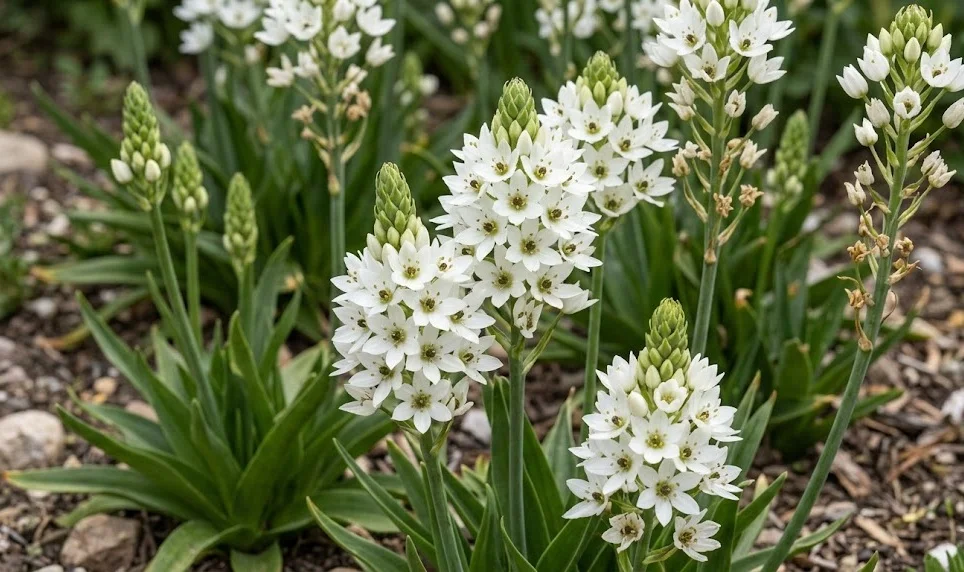

Protecting the chincherinchee from biological threats is a critical task for any gardener who wishes to maintain a pristine and healthy collection. While this species is relatively robust, it is not entirely immune to the various pathogens and insects that inhabit the garden ecosystem. Early detection is the most effective weapon in your arsenal, as many problems are much easier to solve when caught in their infancy. A professional approach involves a combination of cultural practices, mechanical controls, and, when necessary, targeted treatments.
Fungal infections are among the most common issues, often exacerbated by environmental factors like poor drainage or excessive humidity. These pathogens can attack the leaves, the stems, and even the dormant bulbs hidden beneath the soil surface. Identifying the specific type of fungus is essential for choosing the right course of action to stop the spread. Maintaining a clean garden environment by removing dead foliage and debris will significantly lower the overall pressure from disease.
Insect pests can range from tiny, sap-sucking organisms to larger creatures that physically consume the plant’s tissues. Some of these pests are merely an aesthetic nuisance, while others can act as vectors for more serious viral or bacterial infections. Monitoring the undersides of the leaves and the developing flower buds is a daily habit for many successful growers. Using the least toxic methods first is always the preferred strategy in a modern, environmentally conscious garden.
Physiological disorders caused by environmental stress can sometimes be mistaken for disease or pest damage. Factors such as nutrient deficiencies, improper light levels, or extreme temperature fluctuations can cause the plant to display worrying symptoms. Understanding the difference between a biological attack and a cultural problem is key to providing the correct remedy. A holistic view of the plant’s health takes into account everything from the soil chemistry to the local weather patterns.
Fungal and bacterial pathogens
Botrytis cinerea, often known as grey mold, is a common fungal threat that thrives in cool and damp conditions during the spring. It typically manifests as fuzzy, greyish-brown patches on the flowers and the soft tissue of the leaves. If left unchecked, the fungus can cause the entire flower spike to collapse and rot away in a matter of days. To prevent this, ensure that there is plenty of space for air to circulate between the individual plants in your garden.
More articles on this topic
Bulb rot is perhaps the most devastating disease, as it often goes unnoticed until the plant fails to emerge or suddenly wilts. Various species of fungi, such as Fusarium or Rhizoctonia, can cause the bulb to become soft, discolored, and foul-smelling. This condition is almost always linked to poor drainage or overwatering during the plant’s dormant period. Infected bulbs should be removed and destroyed immediately to prevent the fungus from contaminating the surrounding soil.
Leaf spot diseases appear as small, dark lesions on the foliage that may eventually merge and cause the entire leaf to die. These are often caused by water splashing from the soil onto the leaves, carrying fungal spores with it. To minimize the risk, always water the plants at the base and avoid wetting the foliage whenever possible. If you notice infected leaves, remove them carefully and dispose of them in the trash, not in your compost pile.
Bacterial soft rot can also affect the bulbs and stems, characterized by a watery decay that spreads rapidly through the plant. This pathogen often enters through wounds caused by physical damage or insect feeding activity. There are no effective chemical cures for bacterial rot, so prevention through careful handling and pest control is the only viable strategy. Ensuring your garden tools are sterilized between uses will also help prevent the accidental transfer of bacteria from one plant to another.
Identifying common insect pests
Aphids are small, soft-bodied insects that cluster on the tender new growth and the undersides of the developing leaves. They feed by sucking the nutrient-rich sap from the plant, which can lead to distorted growth and yellowing of the foliage. These pests also secrete a sticky substance called honeydew, which can attract ants and encourage the growth of black sooty mold. A strong stream of water from a garden hose can often dislodge light infestations without the need for chemicals.
More articles on this topic
Thrips are tiny, slender insects that are often difficult to see with the naked eye but can cause significant damage to the flowers. They feed on the petals, leaving behind silvery streaks and brown edges that ruin the aesthetic appeal of the blossoms. Thrips can also cause the flower buds to fail to open properly or to drop off the plant prematurely. Blue or yellow sticky traps placed near the plants can help you monitor their presence and reduce their overall numbers.
Slugs and snails can be a major problem for young chincherinchee shoots as they emerge from the ground in the spring. These nocturnal pests can consume large amounts of foliage in a single night, leaving behind jagged holes and tell-tale slime trails. They are particularly active during wet weather and in gardens with plenty of cool, shady hiding places. Organic baits or physical barriers like copper tape can be effective in protecting your plants from these voracious mollusks.
Mealybugs sometimes target the area where the leaves meet the bulb, appearing as small, white, cottony masses. Like aphids, they suck the sap from the plant and can cause a general decline in the plant’s health and vigor. They are often found in sheltered spots, making them difficult to reach with standard contact sprays. Using a cotton swab dipped in rubbing alcohol to dab the individual bugs is a precise and effective way to manage small populations.
Managing viral infections
Viruses are among the most difficult problems to manage because once a plant is infected, there is no known cure. Mosaic viruses can cause the leaves to develop mottled patterns of light and dark green, along with stunted or distorted growth. The flowers may also show “breaking,” where the color appears in streaks or blotches rather than being uniform. These viruses are often spread by sap-sucking insects like aphids or through the use of contaminated garden tools.
If you suspect a plant has a viral infection, the most responsible action is to remove and destroy the entire plant, including the bulb. Do not place the infected material in your compost, as some viruses can survive the composting process and return to your garden. It is vital to act quickly to prevent the virus from spreading to the rest of your healthy plant collection. Keeping the insect population under control is the best long-term strategy for preventing viral outbreaks in the first place.
When purchasing new bulbs, always buy from reputable suppliers who certify that their stock is virus-free. Introducing a single infected bulb into your garden can lead to a widespread problem that is very difficult to eradicate. If you are propagating your own plants, ensure that the parent plant is completely healthy and shows no signs of disease. Vigilance and high standards for hygiene are the only real defenses against the invisible threat of plant viruses.
Cleanliness in the garden is not just about aesthetics; it is a fundamental part of disease management for all bulbous species. Disinfect your pruning shears and trowels with a solution of bleach or alcohol after working with any suspicious-looking plants. This simple habit can save you a lot of trouble and heartbreak by stopping the transmission of pathogens in their tracks. A healthy garden is built on a foundation of careful observation and proactive maintenance.
Preventive measures and hygiene
The health of the soil is the first line of defense against many of the diseases that affect bulbs and their root systems. Crop rotation, or simply not planting bulbs in the same spot for many years, can help prevent the buildup of soil-borne pathogens. If you have had a major disease problem in a specific area, it is best to avoid planting similar species there for several seasons. Solarizing the soil with clear plastic during the summer can also help kill off many harmful fungi and bacteria.
Providing the plants with optimal growing conditions is the best way to ensure they have the internal strength to resist attacks. A plant that is stressed by drought or poor nutrition is much more likely to fall victim to pests and diseases. By following a consistent watering and fertilization schedule, you are indirectly protecting the plant from biological threats. Healthy tissue is much harder for pathogens to penetrate and for insects to successfully colonize.
Autumn cleanup is a vital step in reducing the number of pests and disease spores that overwinter in your garden. Remove all dead leaves and spent flower stalks once the plant has gone completely dormant for the season. These materials often harbor the eggs of insects and the dormant structures of various fungi. A clean garden bed in the winter means fewer problems to deal with when the new shoots emerge in the spring.
Encouraging natural predators like ladybugs, lacewings, and birds can help keep the pest population in a natural balance. Planting a diverse range of flowering species nearby will attract these beneficial organisms and provide them with a habitat. Avoid using broad-spectrum insecticides that kill the “good bugs” along with the “bad bugs,” as this often leads to pest resurgence. A balanced ecosystem is much more resilient and requires less intervention from the gardener over the long term.
Targeted treatments and cures
When cultural and mechanical controls are not enough, you may need to resort to targeted organic or chemical treatments. Neem oil is a popular organic choice that acts as both an insecticide and a fungicide, making it a versatile tool for many gardeners. It works by disrupting the life cycle of insects and preventing fungal spores from germinating on the surface of the leaves. Always apply such treatments in the cool of the evening to avoid any potential phytotoxicity issues.
Insecticidal soaps are effective against soft-bodied pests like aphids and spider mites while being relatively safe for the environment. These soaps work by breaking down the outer shell of the insect, leading to dehydration and death. They must come into direct contact with the pest to be effective, so thorough coverage of the plant is essential. Repeat applications are often necessary to catch newly hatched individuals that were missed during the first spray.
Fungicides containing copper or sulfur can be used as a preventive measure if you know that certain diseases are common in your area. These products create a protective barrier on the plant surface that prevents fungal spores from establishing an infection. They are most effective when applied before the disease symptoms appear, especially during periods of high humidity or frequent rainfall. Always follow the label instructions carefully to ensure the safety of yourself and the surrounding environment.
Before using any chemical product, ensure that you have correctly identified the problem and that the treatment is appropriate. Misusing pesticides can lead to resistance in the pest population and cause unnecessary harm to the local biodiversity. Whenever possible, choose products that are specific to the problem you are trying to solve rather than general-purpose formulas. A professional gardener uses these tools as a last resort and always with a clear understanding of the risks and benefits.