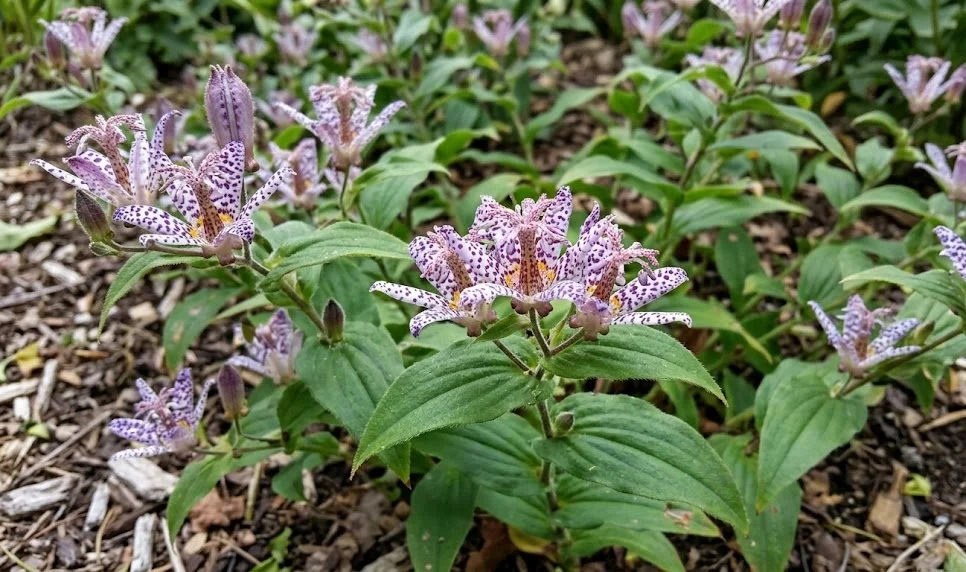

Finding the ideal location in your garden is the first and most critical step toward establishing healthy toad lilies. These elegant perennials require a specific balance of shade, moisture, and soil quality to reach their full potential. Rushing this process often leads to disappointed expectations and struggling plants that fail to bloom properly. Taking the time to evaluate your landscape ensures a successful planting experience from the very beginning.
The perfect spot mimics a dappled forest floor where sunlight filters gently through a canopy of taller trees. Direct afternoon sun can easily scorch the delicate leaves, leading to unsightly brown patches and stunted development. Ideally, choose a location that receives soft morning light followed by cool, deep shade during the hottest parts of the day. This careful light management keeps the foliage looking pristine and vibrant throughout the entire growing season.
Soil characteristics at the chosen site must feature excellent drainage while retaining a consistent level of moisture. Avoid low-lying areas where water collects and stands for extended periods after heavy rainfalls, as this causes root rot. Instead, look for sloped areas or raised beds enriched with plentiful organic matter that allows excess water to escape. Testing the soil texture before planting helps you determine if further amendments are necessary for success.
Consider the proximity of mature trees and large shrubs that might compete aggressively for water and nutrients. While shade is necessary, planting directly against massive tree trunks can leave your lilies starved for moisture. Position them just beyond the intense root zones of large neighbors to ensure they receive their fair share of resources. This strategic placement allows your new plants to establish themselves without facing overwhelming environmental competition.
Step-by-step outdoor planting guide
Planting is most successful when performed in early spring or early autumn when cooler temperatures reduce transplant shock. Begin by digging a hole that is twice as wide as the root ball but exactly the same depth. Mix the excavated soil with generous amounts of organic compost or leaf mold to improve fertility. This preparation creates a welcoming environment that encourages rapid root expansion into the surrounding garden soil.
More articles on this topic
Gently remove the plant from its container, taking care not to disturb or tear the fibrous root system. If the roots are tightly bound, softly loosen the outer edges with your fingers to encourage outward growth. Place the plant in the center of the hole, ensuring the crown sits level with the surface. Planting too deeply can smother the crown, while planting too shallowly exposes delicate roots to drying air.
Fill in the remaining space around the roots with your amended soil mixture, firming it gently with your hands. Avoid pressing down too hard with your feet, as this can compact the soil and eliminate vital air pockets. Once the hole is filled, water the area thoroughly to settle the soil and eliminate any hidden air gaps. This initial deep watering is crucial for establishing good contact between the roots and the earth.
Finish the planting process by applying a generous layer of organic mulch around the base of the plant. Keep the mulch a couple of inches away from the stems to prevent moisture retention against the crown itself. This protective layer helps maintain stable soil temperatures and conserves moisture while the plant establishes its new root system. Consistent monitoring over the next few weeks ensures the plant transitions smoothly into its new home.
Propagation through division methods
Division is the easiest and most reliable method to multiply your collection while maintaining the exact characteristics of the parent plant. This task is best performed in early spring just as the first signs of green growth emerge. Dividing mature clumps every few years prevents overcrowding and revitalizes older plants that may be losing vigor. The process is straightforward and highly rewarding for gardeners looking to expand their shade borders.
More articles on this topic
Use a sharp spade to dig carefully around the perimeter of the mature clump, keeping a safe distance from the center. Lift the entire root mass out of the ground, shaking away excess soil to expose the individual crowns. You will notice distinct sections, each possessing its own set of roots and emerging growth buds. Carefully pull the sections apart by hand or use a clean knife for tougher connections.
Ensure that each new division contains at least two or three healthy buds and a substantial root system. Discard the old, woody center of the original plant, as it will not perform as vigorously as the outer sections. Keep the newly separated divisions moist and shaded while you prepare their new planting locations immediately. Prompt replanting prevents the delicate root hairs from drying out and experiencing unnecessary stress.
Replant the divisions using the same step-by-step method described for new container plants, paying close attention to crown depth. Water them thoroughly immediately after planting to stimulate root development and reduce transplant anxiety. Applying a fresh layer of mulch provides the insulation needed to protect the vulnerable new divisions from temperature spikes. Within a few weeks, you will see robust new growth indicating successful establishment.
Growing toad lilies from seed
Propagating from seed is a fascinating process that requires patience but offers the opportunity to produce a large number of plants. Collected seeds require a period of cold stratification to break their natural dormancy before they can germinate successfully. You can harvest the seed pods in late autumn once they turn brown and begin to split open naturally. Store the cleaned seeds properly until you are ready to begin the stratification process.
Mix the seeds with moist peat moss or vermiculite and place them in a sealed plastic bag inside a refrigerator. Keep them cold for approximately six to eight weeks, mimicking the natural winter conditions they would experience outdoors. This treatment signals the seeds that winter has passed, prompting them to sprout uniformly when exposed to warmth. Skipping this crucial step often results in extremely poor or sporadic germination rates.
Sow the stratified seeds into trays filled with a lightweight, sterile seed-starting mix, pressing them lightly into the surface. They require light to germinate, so cover them with only a very thin layer of fine grit or vermiculite. Place the trays in a bright location out of direct sunlight and keep the medium consistently moist but not saturated. Germination typically occurs within a few weeks when temperatures are maintained around room temperature.
Once the seedlings develop two pairs of true leaves, gently transplant them into individual small pots to continue growing. Feed them with a highly diluted, balanced liquid fertilizer to support their early vegetative development. Keep them sheltered in a protected environment until they are strong enough to be hardened off and planted outdoors. While seed-grown plants take a couple of years to bloom, the reward of cultivating them from scratch is immense.