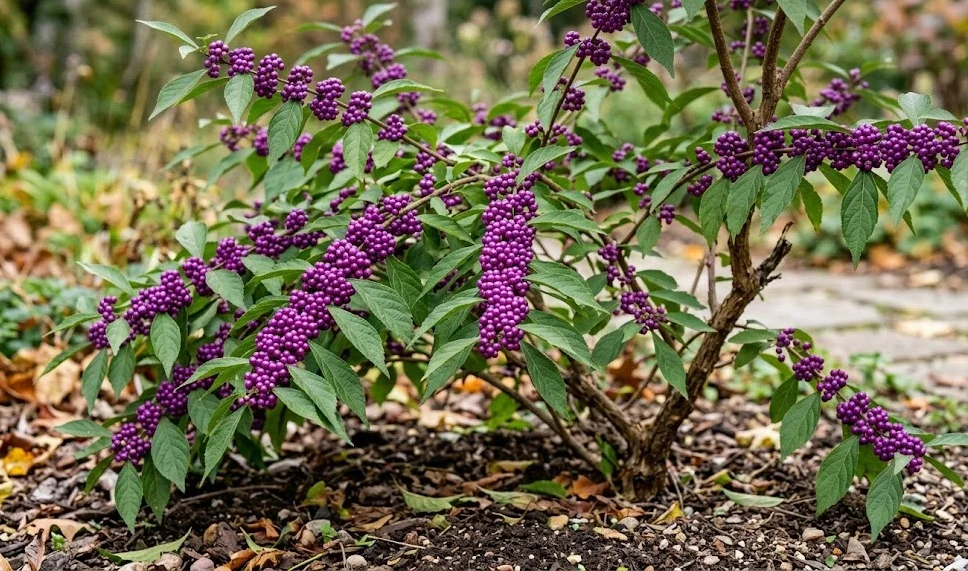

Preparing the Chinese beautyberry for the winter months is a critical phase in its annual lifecycle, ensuring the plant survives the cold and returns with vigor in the spring. While this species is generally hardy in many temperate regions, extreme conditions or unexpected weather patterns can pose a threat to its structural integrity. A professional overwintering strategy involves a combination of site preparation, moisture management, and physical protection for younger or more vulnerable specimens. By taking these steps, you protect the investment of time and energy you have placed into your garden landscape.
The process of overwintering actually begins in late summer when you should stop applying high-nitrogen fertilizers to the plant. This prevents the stimulation of soft, new growth that would be easily killed by the first hard frost of the season. Instead, the plant should be allowed to naturally slow its growth and harden its tissues as the days shorten and temperatures begin to drop. This period of transition is essential for the shrub to develop the physiological resilience needed to withstand freezing temperatures.
Monitoring the local weather forecast becomes increasingly important as the autumn season progresses toward winter. A sudden, early freeze can be much more damaging than a gradual decline in temperature, as the plant may not have finished its dormancy preparations. If a sharp cold snap is predicted, you should be ready to provide temporary protection to prevent the stems from splitting or the buds from being damaged. Being proactive during these transition periods can make the difference between a thriving plant and one that struggles to recover in the spring.
The final goal of overwintering is to keep the root system protected and the dormant stems intact until the arrival of warmer weather. Unlike evergreen shrubs, the deciduous beautyberry enters a state of deep rest where its metabolic needs are minimal. However, it still requires a stable environment to prevent the roots from drying out or being subjected to extreme temperature fluctuations. A well-prepared garden bed is the best defense against the challenges of the winter season.
Root zone protection and mulching
The most effective way to protect the root system of the beautyberry is through the application of a thick layer of organic mulch. You should apply three to four inches of wood chips, bark, or straw around the base of the plant after the first light frost. This layer acts as an insulator, keeping the soil temperature more consistent and preventing the “heaving” that occurs with repeated freezing and thawing. Protecting the roots ensures that the plant has the foundation it needs to push out new growth once spring arrives.
More articles on this topic
When applying mulch, it is important to leave a small gap of a few inches around the main trunk of the shrub. Packing mulch directly against the bark can trap moisture and create a dark, damp environment that encourages rot or provides a hiding spot for rodents. These pests can sometimes gnaw on the bark during the winter when other food sources are scarce, potentially girdling and killing the plant. A properly mulched garden bed is a clean and safe environment for the dormant shrub.
In regions with particularly sandy soil, the root zone can dry out more quickly even during the winter months. You should check the moisture level of the soil periodically during dry winters and provide a light watering if the ground is not frozen. Desiccation is a common cause of winter death for many shrubs, as the plant continues to lose small amounts of moisture even while dormant. Keeping the roots hydrated, but not waterlogged, is a professional secret for successful overwintering.
The type of mulch you choose can also impact the health of the soil and the plant in the following season. Composted leaves or high-quality wood chips are excellent choices because they break down slowly and add beneficial organic matter to the earth. Avoid using fresh grass clippings or uncomposted manure, as these can harbor weed seeds or pathogens that will cause problems in the spring. A clean, professional-grade mulch provides the best combination of protection and long-term nutritional value.
Managing moisture and hydration
Hydration is just as important in the winter as it is in the summer, though the frequency of application is much lower. You should ensure the beautyberry is thoroughly watered before the ground freezes solid in the late autumn. Wet soil holds more heat than dry soil, providing a natural buffer against deep freezes that could damage the sensitive feeder roots. This final deep watering is one of the most important tasks in the professional gardener’s winter preparation list.
More articles on this topic
During a “dry winter,” where there is little snowfall or rain, the plant can suffer from winter drought, also known as desiccation. This occurs when the roots cannot absorb water from the frozen ground to replace the moisture lost through the stems and buds. If you experience a period of several weeks without precipitation and the ground thaws temporarily, you should take the opportunity to provide a light watering. This small intervention can prevent the plant from entering the spring in a weakened and stressed state.
Snow can actually serve as an excellent natural insulator for the beautyberry, protecting the lower branches and the root zone from extreme cold. However, heavy, wet snow can also cause physical damage by weighing down the flexible stems and causing them to snap. You should gently brush off excessive snow accumulation after a storm to prevent structural damage while leaving the snow at the base of the plant intact. This balanced approach takes advantage of the snow’s benefits while minimizing the risks to the shrub’s form.
Ice storms present a more significant challenge, as the weight of the ice can be much greater than that of snow and is harder to remove. It is often best to leave ice-covered branches alone, as trying to break the ice off can result in more damage to the bark and buds. Once the ice melts naturally, you can assess the plant for any broken limbs and prune them back to healthy wood. Maintaining the structural health of the plant during these events ensures it remains a beautiful feature of the garden for years to come.
Physical protection for young plants
Young or newly planted Chinese beautyberries are more susceptible to winter injury than established specimens with deep root systems. For these plants, you might consider creating a physical barrier like a burlap wrap or a temporary windbreak to shield them from the coldest winds. This protection is particularly useful in exposed locations where the drying effects of the wind can be severe. A simple cage of poultry wire filled with loose leaves can also provide an effective layer of insulation for a small shrub.
If you live in a region that is on the edge of the plant’s hardiness zone, providing extra protection can expand your options for garden design. You can use specialized frost blankets or even old bedsheets to cover the plant during nights when the temperature is expected to drop significantly. These covers should be removed during the day to allow the plant to receive light and prevent heat from building up too much. Consistent monitoring and quick action are the keys to using these temporary protective measures effectively.
Avoid the temptation to prune the beautyberry in the late autumn or winter, as this can expose the inner tissues to the cold. The dead leaves and spent flower heads can actually provide a small amount of extra protection for the dormant buds. It is better to wait until the very end of winter or early spring to perform any structural or maintenance pruning. This ensures that any winter die-back can be identified and removed in a single pass, leaving the plant healthy and ready for growth.
For plants grown in containers, the overwintering process requires a different set of professional techniques. The roots in a pot are much more exposed to the air and can freeze solid much faster than those in the ground. You should move container-grown beautyberries to a sheltered location, such as an unheated garage or a protected corner of the patio. Wrapping the pots in bubble wrap or burlap can also provide the extra insulation needed to keep the roots safe through the coldest months.
Spring transition and recovery
As the days begin to lengthen and the soil warms, the beautyberry will slowly emerge from its winter dormancy. You should begin by removing any physical protection, such as burlap or frost blankets, once the threat of extreme cold has passed. This is the time to carefully inspect the plant for any signs of winter damage, such as split bark or dead branch tips. Identifying these issues early allows you to address them before the plant starts to invest energy in new growth.
The first signs of life are usually the swelling of the buds along the stems, which will eventually open into the season’s first leaves. If you notice that some branches are not producing buds while others are, you may have experienced some localized winter kill. You can test the viability of a branch by gently scratching the bark with your fingernail to look for green tissue underneath. If the tissue is brown and dry, that section of the branch is likely dead and should be pruned back to a healthy node.
Spring is also the time to refresh the mulch layer and provide a balanced fertilizer to support the upcoming flush of growth. As the ground thaws, ensure the plant has access to consistent moisture to help it rehydrate after the long winter rest. Avoid over-watering during this time, as the cool soil can stay wet for a long time and potentially lead to root rot. A gradual increase in care and attention will help the beautyberry make a smooth transition into the active growing season.
Finally, take the time to appreciate the resilience of the beautyberry and the success of your overwintering efforts. Each year that the plant survives and thrives is a testament to your skill and dedication as a gardener. The spectacular purple berries of the following autumn are the ultimate reward for the quiet work you do during the cold winter months. Professional overwintering is a cycle of protection and renewal that keeps your garden vibrant and beautiful year after year.