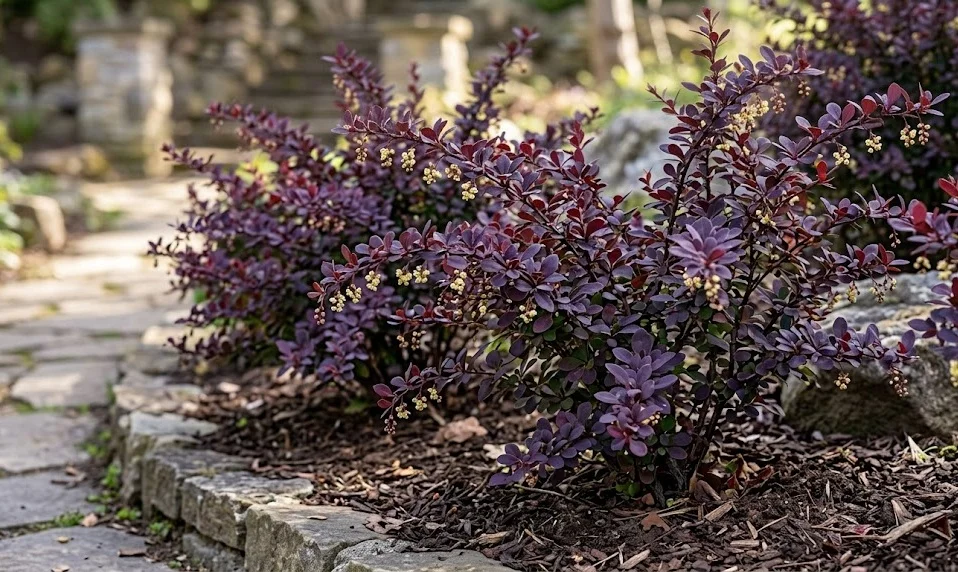

Successful establishment of the Japanese barberry begins with selecting a site that meets its fundamental biological requirements for light and soil structure. This process is the most critical phase in the life of the shrub, as it dictates the future growth patterns and overall resilience of the plant. Gardeners must prepare the ground with care, ensuring that the transition from a nursery container to the open soil is as seamless as possible. Proper technique during the initial planting stages prevents root shock and sets the foundation for a vigorous and healthy ornamental display.
Before digging the first hole, we should analyze the soil composition to ensure it offers the necessary drainage and aeration. A site with full sun exposure is ideal, as this allows the plant to develop the most intense foliage colors that it is famous for. We should avoid low-lying areas where water tends to collect after heavy rains, as these conditions are detrimental to the root system. Once a suitable location is identified, clearing the area of aggressive weeds and large stones will facilitate an easier and more successful planting process.
The actual planting method involves digging a hole that is significantly wider than the current root ball but no deeper than the container depth. It is essential to loosen the soil at the bottom and sides of the hole to encourage new roots to penetrate the surrounding earth easily. We should gently tease out any circling roots if the plant has become pot-bound, which helps it establish a more stable anchor in its new home. After placing the shrub, filling the hole with a mixture of native soil and organic matter provides an immediate boost of nutrients for the young plant.
Propagation through cuttings is a common and effective way for gardeners to expand their collection of these beautiful shrubs. This is best performed in the early summer when the new growth has started to firm up but has not yet become fully woody. We should take healthy cuttings from the current season’s growth, ensuring each piece has several nodes for potential root development. Placing these cuttings in a high-quality rooting medium under controlled humidity increases the success rate of this propagation method significantly.
Establishing new plants from seeds
Growing Japanese barberry from seeds is a rewarding but much slower process that requires patience and specific environmental conditions to succeed. The seeds usually require a period of cold stratification to break their natural dormancy before they can germinate effectively in the spring. We should collect the ripe berries in late autumn, clean away the pulp, and store the seeds in a cool, moist environment for several months. This mimics the natural winter cycle and prepares the internal mechanisms of the seed for the upcoming growing season.
More articles on this topic
Once the stratification period is complete, the seeds can be sown into shallow trays filled with a light, well-draining seed-starting mix. It is important to keep the medium consistently moist but not saturated, as the delicate seedlings are prone to damping off in overly wet conditions. We should provide plenty of bright, indirect light to the emerging plants to prevent them from becoming leggy and weak. As the seedlings grow their first true leaves, they can be gradually hardened off and moved to larger individual containers for further development.
Hardening off young plants is a vital step before they are permanently moved into the garden landscape. This involves gradually exposing the tender growth to outdoor conditions, including direct sunlight and varying wind speeds, over a period of several days. We must be careful not to rush this process, as sudden changes in temperature can cause severe stress or even kill the young specimens. Once they have successfully adapted to the outdoor environment, they can be planted in their final locations following the same guidelines used for nursery-grown plants.
Monitoring the progress of newly planted or propagated barberries is essential during their first two years of life. We should check the soil moisture levels frequently, as young root systems are not yet deep enough to access water during dry spells. Adding a thin layer of organic mulch around the base of new plants helps protect the fragile roots from extreme temperature swings. With consistent care and professional attention, these new additions will soon become established and contribute to the beauty of the landscape.