
Understanding the light requirements of the London plane is fundamental to choosing the right planting site and ensuring the tree develops a balanced, healthy canopy. As a pioneer-type species in many ecological contexts, this tree has evolved to crave high levels of solar radiation to fuel its rapid growth and massive leaf production. While it can tolerate a degree of light shade in its youth, it will always grow most vigorously and produce the most iconic bark when bathed in full sun. Managing the light environment around the tree is a long-term commitment that changes as the specimen grows and begins to dominate its surroundings.
In a landscape setting, “full sun” is generally defined as receiving at least six to eight hours of direct, unfiltered sunlight every day. This intensity of light is necessary for the tree to maintain its high metabolic rate and to produce the thick, leathery leaves that characterize a healthy specimen. Trees planted in too much shade often become “leggy,” with long, weak branches reaching toward the light source and a much thinner canopy. This structural weakness can make the tree more prone to storm damage and can detract from its natural, majestic architectural form.
Sunlight and canopy development
The direction of the sunlight plays a significant role in how the London plane shapes its canopy over several decades of growth. Trees planted on the south side of buildings or large evergreen screens will receive the most consistent light, leading to a symmetrical and well-rounded crown. If the light source is primarily from one side, the tree will naturally lean and grow more branches in that direction to maximize its photosynthetic potential. Professional landscape designers take these light patterns into account to ensure the tree remains a stable and attractive focal point in the garden.
Interior branches that do not receive enough light will naturally decline and eventually die back as the tree prioritizes its more productive outer foliage. This process, known as self-pruning, is a normal part of the tree’s development but can lead to a build-up of dead wood inside the canopy. Periodically thinning the outer branches can allow more light to penetrate into the center of the tree, encouraging a denser and more resilient interior structure. This professional technique, known as “thinning,” helps maintain the overall health of the tree while reducing the risk of pests that thrive in dark, stagnant air.
Impact of light on health and aesthetics
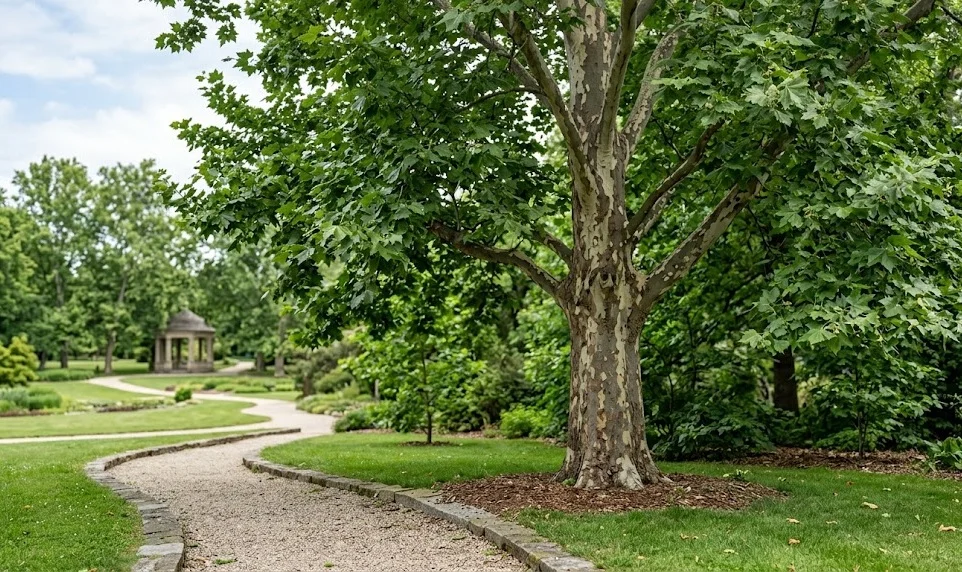
The iconic peeling bark of the London plane is more than just a beautiful feature; its development is partially influenced by its exposure to light and environmental elements. Trees grown in bright, open locations tend to show more dramatic bark exfoliation and more vibrant colors on the underlying fresh bark. The light also helps to dry the bark after rain, reducing the conditions that favor certain fungal infections and moss growth on the trunk. A well-lit trunk is not only more visually striking but is often healthier and more resistant to surface-dwelling pathogens.
More articles on this topic
Photosynthesis is the engine that drives everything from root expansion to the production of the chemical compounds that protect the tree from insects. A London plane that receives optimal light will have higher energy reserves, allowing it to recover more quickly from pruning, droughts, or pest attacks. In urban environments, where tall buildings can cast long shadows, it is important to calculate the “solar window” to ensure the tree will have enough light to thrive. Proper light exposure is the foundation of the tree’s natural defense system and its ability to provide cooling shade for the people below.
Managing light in maturing landscapes
As a London plane matures and grows to its full height, it often begins to create its own light environment, shading out smaller plants and even other trees beneath it. This transition requires a shift in the management of the surrounding landscape to include more shade-tolerant species that can coexist with the giant above. The owner must decide whether to prune the London plane to allow more light to reach the ground or to embrace the new, cooler environment it has created. This dynamic relationship between the tree and its light footprint is one of the most interesting aspects of long-term gardening.
Reflective light from glass buildings or light-colored pavements can sometimes provide an unexpected boost to a tree in a restricted urban site. However, excessive reflected heat can also stress the tree, leading to scorched leaves if the irrigation is not adjusted accordingly to compensate. Observing how the light moves across the property at different times of the year provides the best insights for managing the tree’s needs. Ultimately, providing the London plane with the sunlight it craves is the most important step in ensuring its long-term success and majestic presence in the landscape.