
Managing the hydration and nutrient levels of your wormwood is a delicate balance that defines the health of the plant. While this species is incredibly hardy, it does have specific preferences that you should respect to see the best results. You will find that observing the plant closely is much more effective than following a rigid calendar for your garden chores. Understanding the natural cycle of the herb allows you to provide exactly what it needs without overdoing it.
Mastering the art of hydration
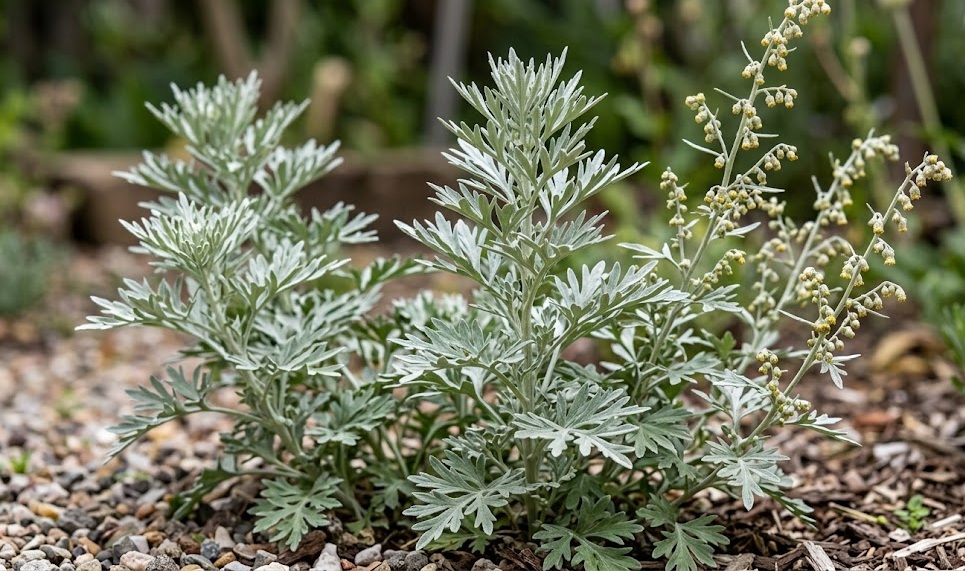
Wormwood is naturally adapted to dry environments, which means it does not like to have “wet feet” for extended periods. You should wait until the top inch of soil feels completely dry before you consider reaching for the watering can. Overwatering is one of the few ways to truly harm this resilient plant, so it is always better to err on the side of caution. You will notice that the silvery leaves are excellent at conserving moisture even during hot summer days.
When you do water the plant, aim your stream directly at the base rather than splashing the foliage. Keeping the leaves dry helps prevent the development of fungal diseases that thrive in damp, humid conditions. You should perform your watering early in the morning so any stray droplets have time to evaporate in the sun. This simple technique keeps the plant clean and healthy while ensuring the roots get the moisture they require.
Deep and infrequent watering is far more beneficial than shallow and frequent sessions for established plants. You want to encourage the roots to grow deep into the soil in search of moisture, which makes the plant more drought-tolerant. A long, slow soak once a week during dry spells is usually more than enough for a mature specimen in the ground. You will see the plant becoming more stable and robust as its root system expands downward into the cooler earth.
During the winter months, the water requirements of the plant drop significantly as it enters a period of dormancy. You should rarely need to water it at all if you live in a climate with even a small amount of seasonal rainfall. However, if the winter is exceptionally dry and the ground is not frozen, a light drink every few weeks might be necessary. Monitoring the weather patterns helps you stay in sync with the natural needs of your garden throughout the year.
More articles on this topic
Preventing waterlogging and root issues
The physical structure of your garden soil plays a major role in how water interacts with the roots of your plants. You must ensure that your soil has a good percentage of sand or grit to allow for rapid drainage. If you notice water pooling around the base of the plant after a rain, it is a sign that the drainage needs to be improved. You can fix this by adding drainage materials or creating a small mound for the plant to sit on.
Signs of overwatering often appear as yellowing leaves or a general lack of vigor in the overall structure. You might also notice a soft, mushy texture at the base of the stems if the problem has persisted for too long. If you suspect the plant is struggling with too much moisture, stop watering immediately and let the soil dry out completely. You will find that the plant is often capable of recovering if the issue is caught and addressed in the early stages.
For plants grown in containers, the choice of the pot is just as important as the soil mix inside it. You should always use a container with large drainage holes at the bottom to allow excess water to escape freely. Avoid using saucers that hold standing water underneath the pot, as this can lead to the same root rot issues found in the ground. A porous material like terracotta is often a great choice because it allows the soil to “breathe” and dry out more evenly.
If you find that your garden soil is naturally heavy clay, you can still grow beautiful wormwood by using raised beds. This setup allows you to control the soil composition and ensure that the roots are never trapped in cold, stagnant water. You will find that the plants in raised beds often grow faster and look healthier because they have better access to oxygen. Your proactive approach to drainage is the best insurance policy for a thriving and beautiful herb garden.
More articles on this topic
Understanding nutrient requirements
Wormwood actually prefers soil that is not overly rich in nutrients, as it is naturally adapted to lean environments. You should avoid using heavy chemical fertilizers that provide a quick surge of nitrogen to the plant. This often leads to rapid but weak growth that lacks the intense scent and silver color you are looking for. You will find that the plant produces much higher quality essential oils when it has to work a little bit for its food.
A single application of well-composted organic matter in the early spring is usually all the plant needs for the entire year. You can spread a thin layer around the base of the plant, making sure it doesn’t actually touch the main stems. This slow-release approach provides a steady supply of minerals without overwhelming the delicate balance of the soil. You will see the plant responding with steady, healthy growth that lasts throughout the warm season.
If you notice that the plant is looking particularly stunted or the leaves are losing their characteristic shape, it might need a small boost. You can use a balanced, organic liquid fertilizer diluted to half strength if you feel an intervention is truly necessary. However, you should only do this once or twice during the peak growing season to avoid causing long-term issues. Most of the time, the natural minerals already present in the ground are more than sufficient for this hardy species.
The chemical balance of the soil, specifically the pH level, can affect how well the plant can absorb available nutrients. You should aim for a neutral or slightly alkaline soil environment to keep the wormwood happy and healthy. If your soil is very acidic, adding a little bit of garden lime can help bring the balance back to where it needs to be. Understanding these subtle chemical interactions helps you become a more effective and professional gardener over time.
Organic fertilization techniques
Using natural methods to enrich your garden is not only better for the plants but also for the local environment. You can make your own compost at home using kitchen scraps and garden waste to create a perfect mulch for your herbs. This practice recycles nutrients back into the land and improves the overall health of the soil microbes. You will find that your garden feels more alive and vibrant when you rely on these sustainable and natural processes.
Seaweed-based fertilizers are another excellent option for providing a wide range of trace minerals without too much nitrogen. These products are often available in liquid form and can be easily applied during your regular watering routine. They help strengthen the cell walls of the plant, making it more resistant to heat stress and minor pest issues. You will notice the silvery leaves looking more lustrous and strong after a light application of these natural supplements.
Bone meal or rock phosphate can be added to the soil during planting to provide a long-term source of phosphorus for root development. This is especially helpful if you are starting new plants from cuttings or seeds and want to give them a solid foundation. You only need to use a very small amount to see a positive effect on the overall stability of the plant. Thinking about the long-term health of the soil ensures that your garden remains productive for many years to come.
Avoiding the use of synthetic pesticides and herbicides is also part of a healthy fertilization strategy. You want to encourage a diverse population of soil organisms that naturally break down organic matter into usable nutrients. A healthy soil ecosystem does much of the work for you, reducing the need for constant human intervention. You will find that a balanced garden is much easier to manage and far more rewarding to spend time in every day.
Recognizing and correcting imbalances
Learning to read the signals the plant sends you is a vital skill for any serious gardener or hobbyist. You should look for changes in leaf color, stem strength, and the overall density of the foliage to gauge health. If the plant looks too “lush” and green, it might be a sign that it is receiving too much nitrogen from nearby lawn treatments. You can correct this by leaching the soil with plain water or simply waiting for the levels to balance out naturally.
On the other hand, if the new leaves are very small and the plant seems to have stopped growing in mid-season, it might be hungry. You should check the soil moisture first, as lack of water can often look like a nutrient deficiency in the early stages. If the soil is fine, then a very light application of organic compost can help get the growth back on track. Always start with the smallest possible intervention and see how the plant responds before doing more.
Interactions with neighboring plants can also affect the nutrient levels available to your wormwood. You should ensure that it isn’t being “robbed” of food by much larger or more aggressive feeders planted too close. Maintaining a clear zone around the base of the herb helps ensure that all the resources you provide go exactly where they are needed. A well-managed garden layout prevents many of these competitive issues from ever becoming a problem for you.
Reflecting on your past successes and failures is the best way to refine your watering and fertilizing routines. You should keep a simple garden journal to note down when you watered and what kind of organic matter you added to the soil. Over time, you will develop a “gut feeling” for what your plants need just by looking at the weather and the foliage. This deep connection to the natural world is what makes gardening such a fulfilling and professional pursuit.