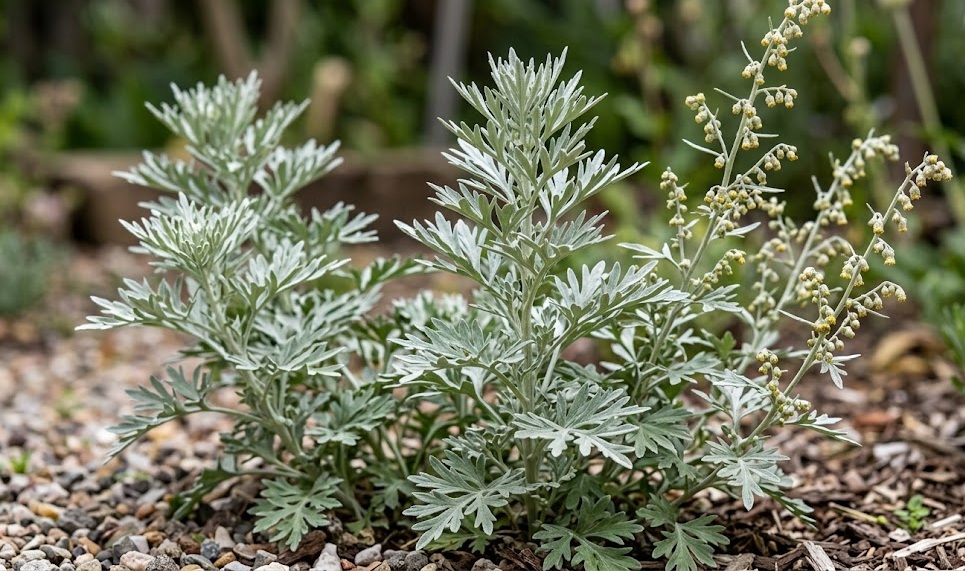

Starting a new journey with wormwood begins with understanding how to correctly introduce it to your garden soil. This plant is famous for its rugged nature, but it still requires a thoughtful approach during the initial planting phase. You will find that taking the time to prepare the site correctly pays off immensely as the plant matures over the years. Successful propagation allows you to expand your collection and share this beautiful silver-leaved herb with your friends and neighbors.
Selecting the right site and timing
The best time to plant your young starts is during the mild weather of early spring or the cooling days of autumn. You want to avoid the extreme heat of midsummer which can put too much stress on the delicate new root systems. Planting when the soil is naturally moist and the temperatures are moderate gives the herb the best chance to settle in. You will notice that the plant responds quickly to the stabilizing conditions of these transitional seasons.
Choosing a location with plenty of direct sunlight is essential for the healthy development of the silvery foliage. You should look for a spot that is not overshadowed by large trees or buildings for the majority of the daylight hours. Good light levels not only help the plant grow strong but also intensify the aromatic oils within the leaves. A sunny position ensures that the plant remains compact and doesn’t become overly leggy or weak.
Before you put the plant into the ground, take a moment to assess the soil quality in your chosen area. You should aim for a spot where the earth is loose and does not stay soggy for long periods after a rainstorm. If the ground is too compact, you can dig in some organic matter to improve the structure and aeration. Preparing the site properly is the most important step you can take to prevent future issues with root health.
Spacing is another critical factor that you must keep in mind when you are planning your garden layout. You should leave at least two to three feet between each plant to allow for their natural spread and air circulation. Giving the plants enough room prevents them from competing for nutrients and reduces the risk of disease spreading. A well-spaced garden always looks more professional and is much easier for you to maintain throughout the year.
More articles on this topic
Sowing seeds with success
Growing wormwood from seed can be a very rewarding process if you have a little bit of patience and care. You should start the seeds indoors about six to eight weeks before the last expected frost in your local area. Use a light seed-starting mix and barely cover the tiny seeds with a thin layer of fine soil or vermiculite. Keeping the trays in a warm and bright location will encourage the first sprouts to appear within a few weeks.
Watering the delicate seedlings requires a gentle touch to avoid disturbing the young roots or washing away the seeds. You should use a fine mist or water from the bottom of the tray to keep the growing medium consistently moist but not soaked. If the soil stays too wet, you might encounter issues with damping off, which can quickly destroy a whole batch of starts. Monitoring the moisture levels daily is a key part of being a successful plant parent.
Once the seedlings have developed their second set of true leaves, you can begin the process of hardening them off. You should gradually expose the young plants to outdoor conditions by placing them in a sheltered spot for a few hours each day. Slowly increasing their time outside helps them build the strength needed to survive the transition to the garden. This step is vital for preventing transplant shock and ensuring a high survival rate for your new plants.
When you finally move the young starts into their permanent home, handle the root balls with extreme care to avoid damage. Dig a hole that is slightly larger than the root system and place the plant at the same depth it was growing in the pot. Firm the soil gently around the base and give it a light watering to help settle the earth around the new roots. Your careful handling at this stage sets the foundation for a long and healthy life in your garden.
More articles on this topic
Propagation through stem cuttings
Taking cuttings is a fantastic way to create exact replicas of your favorite healthy plants without waiting for seeds. You should select healthy, non-flowering stems during the late spring or early summer when the plant is in active growth. Use a sharp, clean knife to take a cutting that is about four to six inches long from the tip of a branch. Removing the lower leaves and dipping the end in a bit of rooting hormone can help speed up the process significantly.
Place the prepared cuttings into a pot filled with a mix of sand and peat moss or a light potting soil. You should keep the container in a bright spot but out of direct, scorching sunlight which could dry out the stems too quickly. Maintaining a humid environment by covering the pot with a clear plastic bag can help the cuttings retain moisture. Within a few weeks, you should start to see new growth, which is a sign that roots have begun to form.
Once the cuttings have established a strong root system, you can move them into individual pots to continue their development. You will know they are ready when you see roots starting to poke through the drainage holes at the bottom of the container. Continue to provide them with plenty of light and moderate water as they grow into sturdy little plants. This method is often much faster than growing from seed and gives you very consistent results every time.
Before planting these new additions into the garden, make sure they have a good mass of roots to support themselves. You can test this by gently tugging on the base of the stem to see if there is resistance from the soil. If the plant feels solid, it is ready to take its place in your outdoor landscape and start growing on its own. Propagating your own plants is a great way to save money and gain a deeper connection to your garden.
Dividing established plants
Dividing older plants is a great way to rejuvenate a patch of wormwood that has become too large or woody. You should perform this task in the early spring just as the new growth is beginning to emerge from the ground. Use a sharp spade to lift the entire root ball out of the earth, being careful to keep as much of the structure intact as possible. You will find that the plant is quite tough and can handle this process well if you work quickly and carefully.
Once the plant is out of the ground, you can use your hands or a garden knife to separate it into smaller sections. Make sure that each new division has a healthy amount of both roots and green shoots attached to it. Discard the older, woodier center of the original plant and focus on keeping the more vigorous outer sections. This process essentially gives the plant a new lease on life and encourages fresh, productive growth.
Replant the new divisions immediately into prepared soil, ensuring they are spaced far enough apart to grow comfortably. You should water them thoroughly right after planting to help the roots reconnect with the surrounding earth. It is normal for the plants to look a bit wilted for a few days as they recover from the move. Providing a bit of shade during the first week can help reduce the stress on the newly divided sections.
Ongoing care for the divided plants involves regular monitoring to ensure they are establishing themselves correctly in their new spots. You will soon see them start to spread out and take on the beautiful silvery appearance of the parent plant. This technique is an essential skill for any gardener who wants to maintain a tidy and healthy herb garden over many years. Your efforts will be rewarded with a lush and thriving landscape that continues to provide beauty season after season.