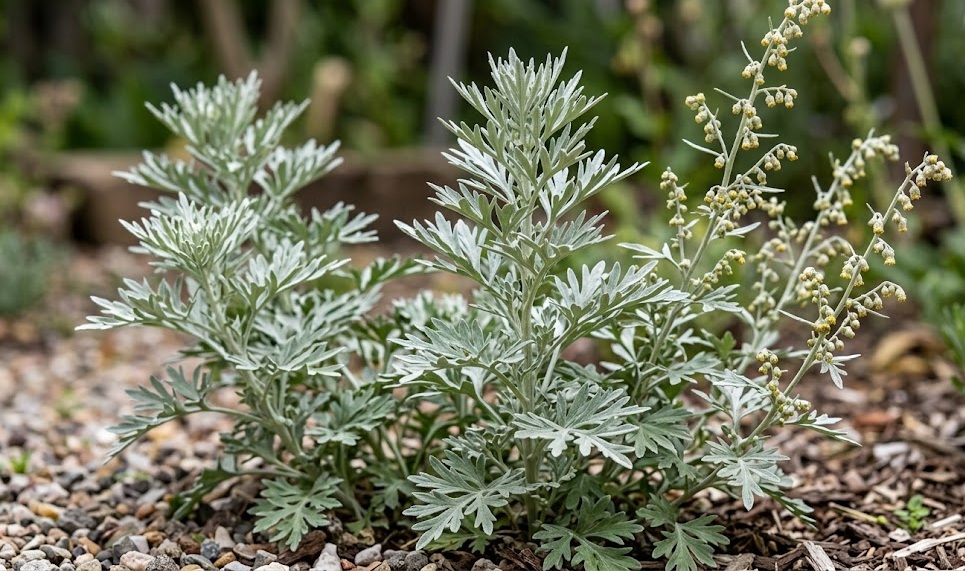

Understanding the fundamental needs of wormwood is the first step toward a successful gardening experience. This hardy perennial is known for its silvery foliage and distinctive aromatic properties that have been valued for centuries. You will find that this plant is remarkably resilient once it establishes a solid root system in your garden. Providing the right environment from the start ensures that it remains a beautiful and functional part of your landscape.
Creating the ideal environment
Selecting the perfect spot for your plants involves looking for areas that receive plenty of natural airflow. This species thrives in open spaces where the wind can move freely through the delicate leaves. You should avoid planting it in low-lying areas where damp air tends to settle for long periods. Proper ventilation is the key to preventing the most common issues associated with fungal growth on the foliage.
The texture of the earth plays a significant role in the overall vitality of the plant throughout the seasons. You should aim for a location that offers light and well-aerated soil rather than heavy and compacted clay. If your ground is naturally dense, adding organic matter or sand can help create the necessary structure. A well-prepared bed allows the roots to expand without facing the resistance of hardened earth.
While this plant is quite adaptable, it truly shines when the soil chemistry is kept within a neutral range. You can monitor the condition of the garden by observing the growth patterns of nearby wild herbs. If you notice that the leaves are losing their characteristic silver sheen, it might be time to check the mineral content. Maintaining a balanced environment ensures that the plant retains its structural integrity and aesthetic appeal.
Proximity to other plants is a factor you must consider carefully when designing your garden layout. Wormwood produces certain chemicals that can inhibit the growth of sensitive neighboring species like fennel or sage. You should give it enough space to flourish without dominating the entire garden bed or crowding out companions. Strategic spacing also makes it much easier for you to perform regular maintenance tasks later in the year.
More articles on this topic
Essential maintenance routines
Regular observation is your most powerful tool when it comes to keeping your garden healthy and vibrant. You should walk through your herb patch at least once a week to check for any signs of stress. Look closely at the underside of the leaves to ensure no hidden issues are developing quietly. Early detection of minor problems allows you to intervene before the plant requires more drastic measures.
Keeping the area around the base of the plant clear is vital for reducing competition for resources. You should remove any invasive weeds that attempt to take up residence in the immediate vicinity of the roots. Mulching with light materials can help suppress unwanted growth while keeping the soil temperature stable. A clean environment allows the wormwood to focus all its energy on producing lush and aromatic foliage.
As the plant matures, you might notice that the lower stems become somewhat woody and less productive. You can encourage fresh growth by occasionally tidying up the outer layers of the bush during the growing season. Removing any broken or dead branches helps maintain a neat appearance and promotes better health. This simple routine keeps the plant looking vigorous and prevents it from becoming overly messy or unmanageable.
Monitoring the overall shape of the plant helps you decide when it needs a bit of extra attention. If you see it leaning too far in one direction, it might be reacting to a nearby light source or wind pattern. You can gently guide the growth by rotating the plant if it is in a container or adjusting nearby structures. Keeping the plant balanced ensures that every part receives an equal amount of energy and nutrients.
More articles on this topic
Soil management and drainage
Effective drainage is perhaps the most critical factor in the long-term survival of this particular herb. You must ensure that excess water can move away from the root zone quickly after a heavy rain. Stagnant moisture can lead to serious complications that are often difficult to reverse once they begin. If you are worried about drainage, planting on a slight slope or in raised beds can be a great solution.
The composition of the soil should be porous enough to allow oxygen to reach the roots at all times. You can improve the soil quality by incorporating composted materials that break down slowly over several months. This process enriches the ground without providing an overwhelming surge of nutrients that might cause leggy growth. Healthy soil acts as a reservoir of life that supports the plant through various weather conditions.
Testing the soil periodically can give you valuable insights into what your garden might be lacking. You don’t need expensive equipment to see if the earth is holding onto too much moisture or drying out too fast. Simply digging a small hole and observing how the layers interact can tell you a lot about the underground environment. Understanding the unique characteristics of your specific plot helps you tailor your care routines effectively.
During periods of extreme heat, the soil can become incredibly dry and lose its ability to absorb water. You can prevent this by occasionally breaking up the top layer of the earth with a small garden fork. This allows moisture to penetrate deeper rather than just running off the surface of the parched ground. Keeping the soil surface accessible ensures that the roots can always find the hydration they need to stay strong.
Seasonal care adjustments
Spring is the time when you will see the first signs of life returning to the silver-green branches. You should take this opportunity to clear away any debris that may have accumulated over the winter months. This is also the ideal moment to apply a very light layer of organic mulch to the surrounding area. Providing a clean start helps the plant transition smoothly into the active growing phase of the year.
Summer brings the challenge of intense heat and potential drought that can test the resilience of any plant. You will notice that wormwood handles these conditions much better than many of its garden counterparts. However, you should still keep an eye on the leaves for any signs of wilting during prolonged dry spells. Adjusting your routine to account for high temperatures ensures the plant doesn’t experience unnecessary physiological stress.
Autumn is the season for preparing the garden for the slower months that lie ahead. You should gradually reduce the frequency of any interventions as the plant begins its natural cycle of dormancy. Removing the spent flower stalks can help the plant conserve energy for its root system during the cold. This transition period is vital for building up the strength required to survive the upcoming winter frost.
Winter care focuses mostly on protection from extreme physical conditions rather than active growth management. You should ensure that the base of the plant is not buried under heavy piles of wet leaves or snow for too long. If you live in an area with very harsh winds, providing a simple windbreak can be very beneficial. Monitoring the weather patterns allows you to provide the right level of support when the plant is most vulnerable.
Promoting healthy foliage
The stunning silver color of the leaves is the most famous characteristic of this hardy garden staple. You can enhance this beauty by ensuring the plant receives the maximum amount of light possible each day. Intense sunlight actually stimulates the production of the tiny hairs that give the leaves their unique texture. This protective layer also helps the plant regulate its temperature during the hottest parts of the day.
If you notice the leaves turning a dull green or yellow, it might be a sign of environmental stress. You should check if the plant is receiving too much water or if the soil has become too rich. Over-fertilization often results in large, soft leaves that lack the characteristic scent and silver sheen. Maintaining a “tough” environment actually helps the plant produce the best quality foliage for your garden.
Harvesting the leaves should be done with care to ensure the plant continues to produce new growth. You should pick the stems early in the morning when the essential oils are at their peak concentration. Avoid taking more than a third of the foliage at any given time to prevent shocking the system. This sustainable approach allows you to enjoy the benefits of the plant while keeping it healthy and productive.
Cleanliness is essential when you are working with the foliage for any practical or aesthetic purpose. You should always use sharp and sanitized tools when cutting the stems to avoid introducing any pathogens. Making clean cuts allows the plant to heal quickly and reduces the risk of long-term damage to the structure. Your attention to detail in these small tasks will be reflected in the overall beauty of the garden.
Long-term garden integration
Wormwood can be a wonderful anchor plant for a drought-tolerant garden design or a traditional herb bed. You can use its striking color to create contrast with darker green plants or vibrant flowering species. Its height and texture make it an excellent backdrop for smaller, more delicate herbs that need a bit of protection. Thinking about the visual flow of your garden helps you place the plant where it can truly shine.
As the years pass, you will see how the plant adapts to the specific microclimate of your outdoor space. You might find that it thrives better in one corner of the yard compared to another due to subtle differences. Don’t be afraid to move the plant if you realize it isn’t reaching its full potential in its current spot. Flexibility in your gardening approach allows you to find the perfect harmony between the plant and the land.
Sharing your success with other gardeners is one of the most rewarding aspects of keeping such a resilient species. You can offer advice on how to handle the unique quirks of this plant based on your personal experience. Growing wormwood often sparks interesting conversations about traditional gardening and the history of herbalism. Being part of a community of plant lovers enriches your own understanding and appreciation of the natural world.
The presence of wormwood in your garden can also influence the local ecosystem in subtle and interesting ways. While it is not a favorite for many common pests, it can provide shelter for beneficial insects in its dense structure. You might notice that certain birds or small creatures are attracted to the privacy the silvery branches provide. Embracing the ecological role of your plants makes your gardening journey feel much more meaningful and connected.
Harvesting and storage tips
The best time to gather material from your wormwood is just as the flower buds begin to open. You will find that the potency of the aromatic compounds is at its absolute highest during this specific window. Use sharp garden shears to take long stems that can be easily bundled together for the drying process. Timing your harvest perfectly ensures that you capture the very best the plant has to provide.
Drying the stems should take place in a cool, dark, and well-ventilated area to preserve the color and scent. You can hang the bundles upside down or lay them flat on a screen to ensure even airflow around all the leaves. Avoid placing them in direct sunlight, as this can cause the delicate oils to evaporate and the leaves to turn brown. Patience during the drying phase is essential for achieving a high-quality finished product.
Once the leaves are completely dry and brittle to the touch, you can strip them from the stems. You should store the dried herb in airtight glass jars kept in a dark cupboard away from any heat sources. Labeling your containers with the date of harvest helps you keep track of your supply throughout the year. Properly stored wormwood can retain its characteristic properties for a surprisingly long time.
Using the harvested material allows you to bring the essence of your garden into your home in various ways. Whether you use it for making natural moth repellents or simply enjoy the scent, the rewards are well worth the effort. Knowing that you grew and processed the herb yourself adds a special layer of satisfaction to the experience. Your garden becomes a source of both beauty and practical utility that you can enjoy every day.